
Intrigue Behind Presidential Pardons: Unraveling the Reel and Real
In an era where influence often sways justice, the presidential pardon has become a symbol of power-abuse, secrecy, and sometimes pure favor-exchange.
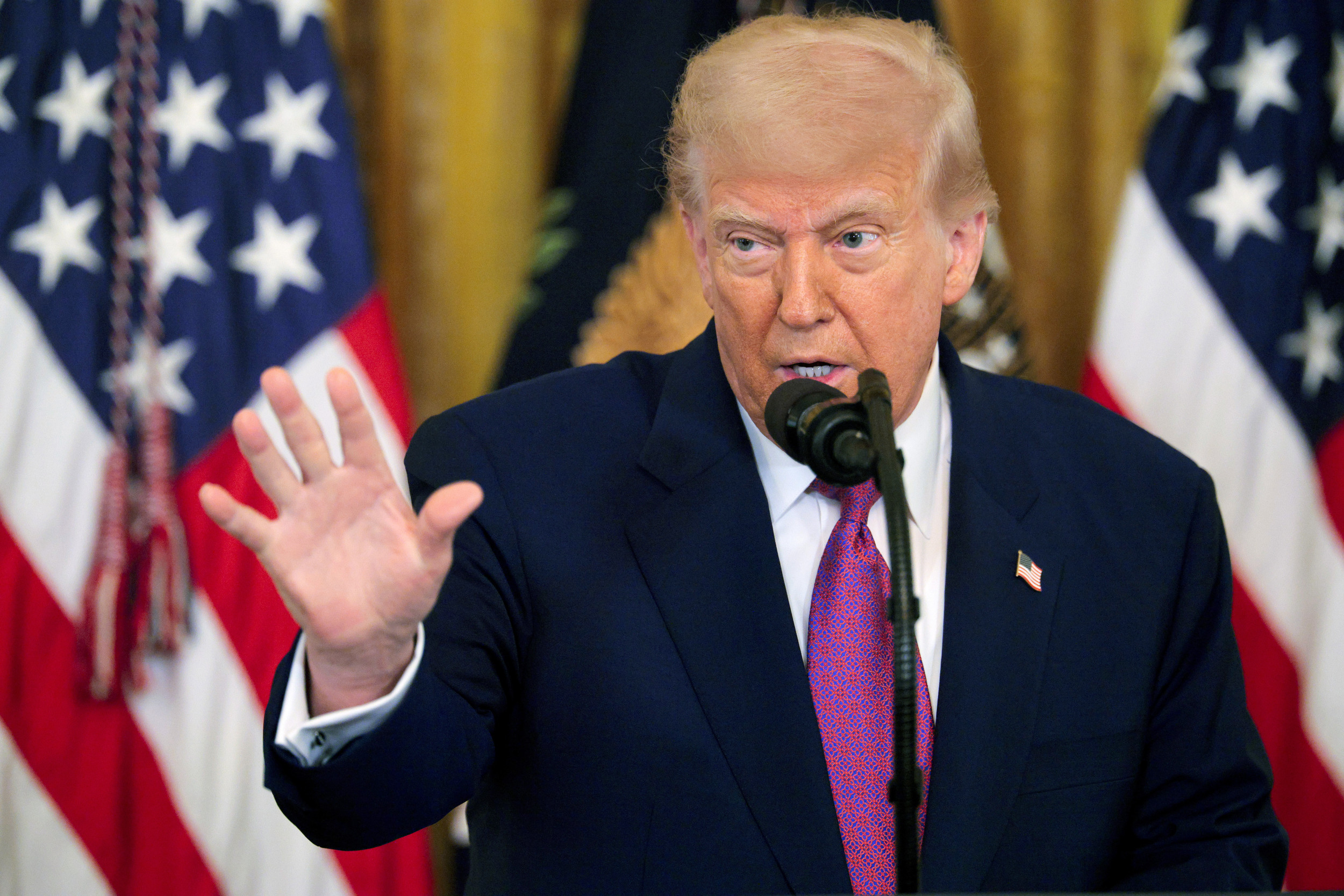
The Anatomy of a Presidential Pardon
The U.S. Constitution grants the President the power to pardon criminal offenses in federal cases. Ostensibly, this power enables the President to check injustices within the judiciary. However, recent administrations have been critiqued for using pardons to support allies, sometimes shrouded in controversies surrounding those they pardon. Often, the individuals pardoned possess connections at the highest levels of government, leading to allegations of legal manipulation.
Noteworthy Pardons that Raised Eyebrows
Here are a few instances where presidential pardons led to public outcry and debate:
- President Gerald Ford's pardon of Richard Nixon for any crimes he might have committed against the United States as President.
- President Bill Clinton’s pardon of billionaire fugitive Marc Rich, sparking bipartisan allegations of influence peddling.
- President Donald Trump’s pardoning of Michael Flynn, his former national security adviser, amid the Russia investigation.
“You want to be very selective on who you pardon because it reflects on who you choose to represent your values,” said a political analyst on LinkedIn.
The Ethical Dilemma of Pardons in Modern Politics
Critics argue that the use of presidential pardons deviates from their noble intent, increasingly being utilized as political tools. The ethical implications are profound: does the President wield too much unchecked power? Can justice truly function fairly when a single individual can overturn judicial decisions?

Alternative Perspectives on Pardons
While the criticisms are not unwarranted, others see pardons as a necessary executive function to address miscarriages of justice. It's a remnant of common law, serving as a corrective antidote in a complex justice system.
- Pardons may provide relief for individuals wrongfully charged or punished too harshly.
- They serve as a tool of reconciliation in politically charged climates.
- Offer a second chance to those who've demonstrated rehabilitation and repentance.
For an academic perspective, explore research papers scrutinizing the balance of presidential powers.
Exploring More About Influence and Power
The story behind presidential pardons is tangled and intricate, offering insights not just into the political landscape but human nature and power dynamics. If you're intrigued by the intersection of politics and law, consider reading "The Limits of Presidential Power: A Local Perspective".
The Modern-Day Implications
As the landscape of politics evolves, so too does the public's scrutiny. Political transparency remains a hot-button issue, with enforcements and reforms being necessary to ensure a fair justice system. The call for legislative oversight on presidential pardons continues to grow louder, as civic bodies demand accountability from incumbents.
