
Exciting Innovations: Tesla Safety Monitor Enhances Train Safety
The Controversy of Tesla Safety Monitor
The Tesla Safety Monitor has been stirring debates in tech circles due to its advanced features that include access to critical buttons such as "pullover" or "stop in lane". These functions serve as emergency protocols designed to enhance safety measures, especially in Tesla's Robotaxi systems. The conversation surrounding this technology highlights both the potential of innovation and the ongoing scrutiny from safety advocates concerned about autonomous systems' reliability.
Emergency Stop Features
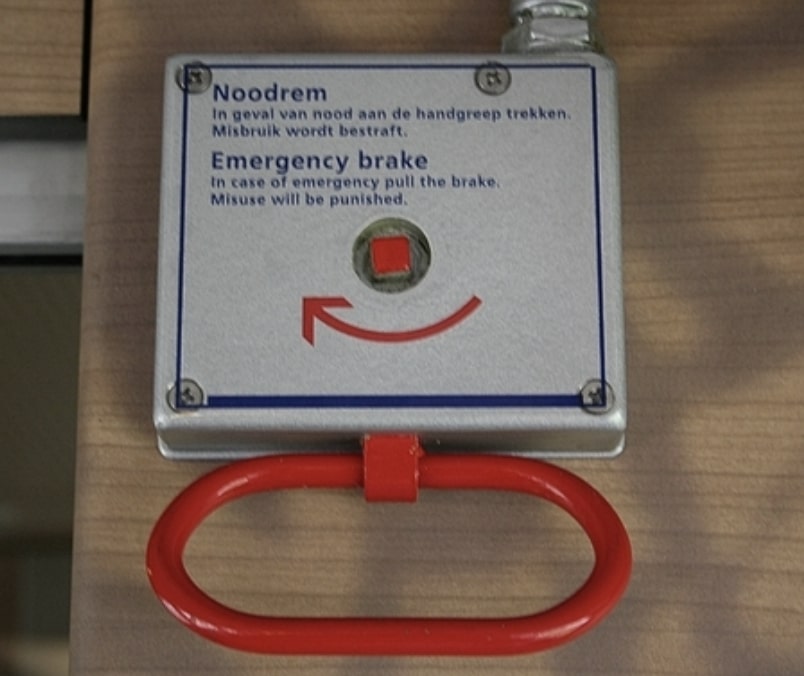
Emergency stop features in Tesla's Safety Monitor are akin to those found in train systems where crucial interventions are necessary to prevent accidents. These features are designed to be instant and fail-safe, ensuring that the vehicle comes to a halt in critical situations. Inspired by traditional train systems, Tesla employs similar methodologies, ensuring an impeccable integration of old and new safety practices.
Industry Experts Weigh In
"Technology brings responsibility. The better we design our systems, the safer our future transportations will be." - Elon Musk
Industry experts including Elon Musk emphasize the importance of careful and responsible design in autonomous vehicle development. Tesla’s intention to ensure safety through technological innovation is evident, but it also highlights the challenges in aligning cutting-edge technologies with robust safety measures.
Comparative Analysis with Train Safety Systems
Comparing Tesla's approach to traditional train emergency systems, we see a bridge between mechanical reliability and digital advancements. Train systems have long utilized robust, manual stop protocols, which have now seen digital upgrades in Tesla's model. This hybrid approach could set new safety standards across various modes of transport.
- Manual overrides ensure safety control remains with passengers or operators.
- Digital systems provide real-time data for predictive safety measures.
- Integration of AI for improving system response times and accuracy.
Real-World Implications
As Tesla's innovations embolden the autonomous vehicle market, their implementations could revolutionize safety protocols across global transport systems. These technologies might also influence regulations, requiring updates that consider advanced autonomous systems. Further study and testing are needed to solidify these technologies as standard practice.
Autonomous vehicles are slowly becoming a part of our daily transport systems, [Buy Tesla Model Car on Amazon](https://www.amazon.com/dp/B098FZDG4Q?&linkCode=ll2&tag=currenttre04f-20&linkId=267bd924da26b6db10d01e8be3f947db) and the introduction of improved safety protocols is a promising move. For more information on this revolutionary subject, check out these insightful [YouTube videos about Tesla's autonomous technology](https://www.youtube.com/results?search_query=Tesla+autonomous+technology).
Learn more about these developments on Tesla’s official [LinkedIn page](https://www.linkedin.com/company/tesla/) and stay updated with their latest announcements.
Additional advancements in AI technology and sensor reliability could further transform safety protocols. The journey of blending human intuition with machine precision continues to evolve, promising a safer and more efficient future for all types of transportation.
