
Understanding the Impact of Prolonged Sitting on Brain Health
Why Prolonged Sitting is a Silent Threat
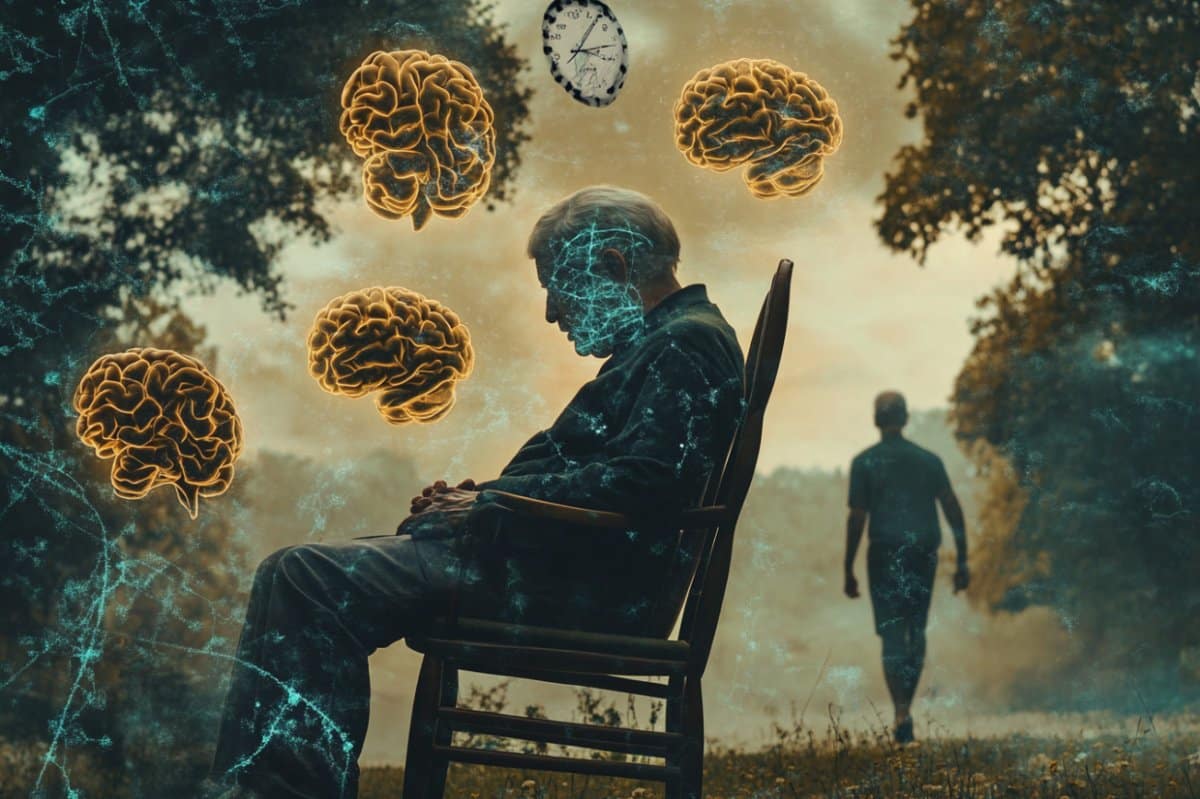
The modern lifestyle has subtly intertwined long hours of sitting into our daily routines. Whether at work, leisure, or transit, sitting seems unavoidable. A recent study in neuroscience indicates that individuals over 50 years indulging in prolonged sedentary behavior show increased risks of cognitive decline and brain shrinkage, especially in areas prone to Alzheimer's disease.
The Science Behind Brain Shrinkage
Sedentary lifestyles impact the brain's structure and function. Lack of physical activity decreases blood flow to the brain, which can starve brain cells of the oxygen and nutrients needed to function properly. Over time, this deprivation can lead to significant brain shrinkage. Regions such as the hippocampus, crucial for memory, are particularly vulnerable.
Real Testimonials and Expert Opinions
"Exercise is the most transformative thing you can do for your brain today," says Dr. John Medlin, a prominent neuroscientist. "It helps mitigate risk factors associated with Alzheimer's and other cognitive diseases."
The Role of Regular Exercise
While exercise is a potent tool against various ailments, it might not fully counteract the damage caused by long sitting hours. Nevertheless, incorporating activities such as walks, standing desks, or dynamic sitting alternatives can drastically improve brain health.
Additional Resources and Further Reading
For those interested in exploring further, highly recommended reads include Stanford Medicine's Neuroscience and Brain Health and TED Talks by individuals such as neuroscientist Dr. Wendy Suzuki, who discusses how exercise affects brain function.
Final Notes
Stay informed, stay mobile, and prioritize your health. Simple lifestyle adjustments can significantly boost brain function and overall well-being. Awareness remains key, offering a pathway to healthier choices. Stay tuned for more health tips and insights by exploring our extensive range of health articles.
