
Experience the Power of Music: How Tunes Can Reshape Memories
The Mesmerizing Connection Between Music and Memories
Recent advances in neuroscience have unearthed a fascinating revelation: music holds the power to change how we perceive and remember our past experiences. By playing specific songs during the recollection of memories, it is possible to reshape the emotional undertones associated with those memories, effectively rewriting parts of our history with new emotional colors.
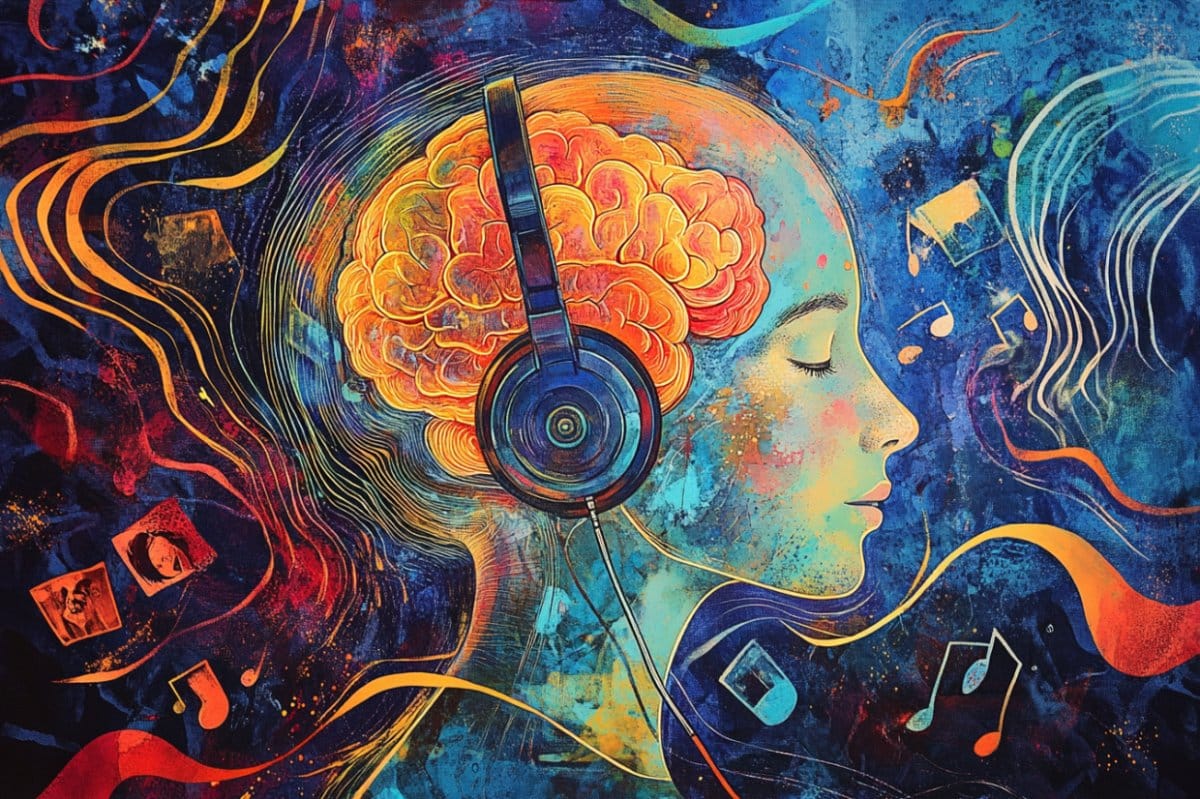
Human Emotions and Neural Pathways
The impact of music on human emotions is profound. Our brains are wired to process music in complex ways, engaging various neural pathways that influence how we feel and think. This neural engagement underpins music's ability to evoke potent emotional responses, thus influencing our memory processing.
Renowned composer Hans Zimmer once remarked,
"Music has the power to awaken the heart, move us into another world and transform our emotions."These words resonate with the findings of this groundbreaking study, emphasizing music's crucial role in shaping our internal emotional worlds.
Potential Applications in Therapy
This revelation opens up various possibilities, particularly in therapeutic settings where music could be used to alter the painful emotional memories of individuals. Using music as a therapeutic tool could aid in mental health treatments and enhance well-being by strategically reframing past traumas.
- Music therapy sessions for depression and anxiety.
- Emotion regulation and memory-based therapies.
- Enhancement of memory in Alzheimer’s patients.
Explore a range of music therapy tools on Amazon to discover how these can be instrumental in reshaping emotional memories.
The Science Behind the Study
The research, conducted at prominent institutions, utilized brain imaging technologies to observe the changes in neural activity when participants were exposed to music while recalling memories. The study found significant alterations in the brain's emotional processing centers, demonstrating how music can effectively act as an emotional guide for memory recall.
For those who wish to delve deeper into the topic, the full study can be accessed at Neuroscience News.
Understanding the Broader Implications
While the emotional impact of music is universally acknowledged, this study provides a scientific basis for its effect on memories. The implications stretch far beyond personal experiences, touching on cultural preservation and education systems where music could serve as an aid in historical recollection.
To explore more about the evolving research in neuroscience and music, follow experts in the field on LinkedIn and related professional media platforms.
Lastly, for an engaging exploration of how music shapes human social behavior and memory, tune into insightful discussions and documentaries available on YouTube resources.
