
Microplastics Are Invading Our Arteries: A Hidden Health Risk
The Unseen Threat: Microplastics in Our Bodies
Microplastics have infiltrated nearly every aspect of our environment, but their presence within human arteries is particularly concerning. The carotid arteries, major vessels supplying blood to the brain, have revealed disturbingly high levels of these particles in individuals with stroke symptoms. This revelation emphasizes the need to probe deeper into the health implications of our plastic-laden world.
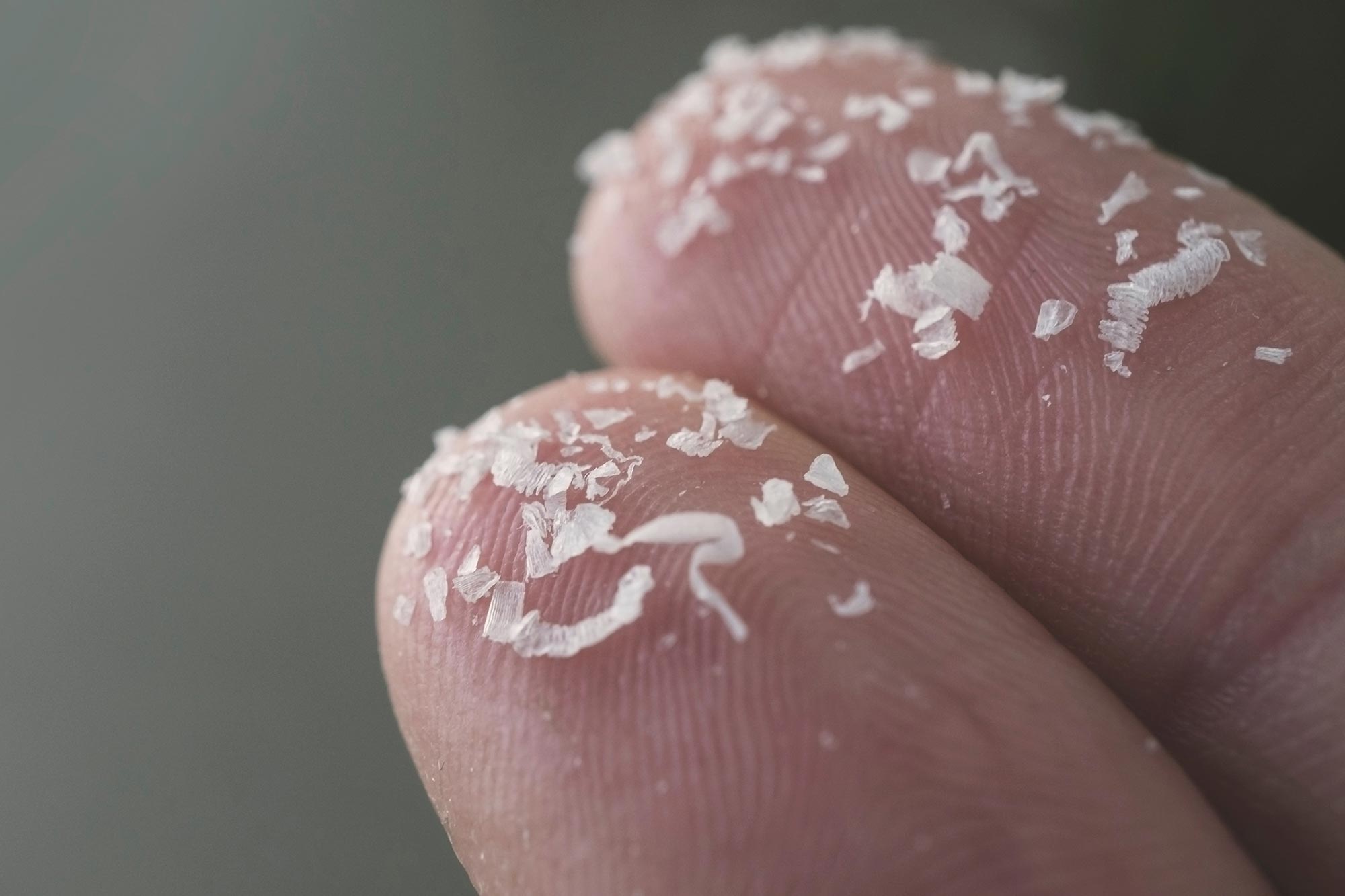
How Microplastics Could Be Increasing Stroke Risk
Microplastics in the bloodstream are not just passersby but potential catalysts for severe health issues. Fatty plaques, essential contributors to strokes, might be exacerbated by these persistent pollutants. With their ability to inflame and obstruct, microplastics could be the underappreciated players in life-threatening cardiovascular events.
“We need to investigate if these particles are indeed contributing to plaque formation, as their long-term presence in the body could mean previously unconsidered health risks.” — Dr. Jane Goodwin, Environmental Scientist
What Can You Do? Practical Steps to Reduce Microplastic Intake
- Opt for glass or stainless steel water bottles instead of plastic.
- Reduce synthetic clothing, which releases microplastics during washes.
- Use natural cleaning products and cosmetics to minimize plastic exposure.
- Support policies and brands focused on reducing plastic consumption.
Current Research and Future Directions
While the revelations are concerning, researchers are actively seeking to understand the full extent of microplastics in human health. Ongoing studies aim to determine whether alternate materials can replace plastics and the best practices to detoxify the body from their harmful effects.
For ongoing research and updates, you might want to visit professional media channels like LinkedIn and explore peer-reviewed journals for credible studies.
Enhancing Awareness and Education
Raising awareness about the risks associated with microplastics is crucial. Educators and policy-makers must collaborate to provide comprehensive education on reducing exposure and encouraging sustainable practices. Engaging with platforms like Twitter allows for real-time discussions on solutions and advancements.

To delve deeper into this pressing topic, check out expert talks and informative content on YouTube. Follow renowned scientists and activists on social media to stay updated on actions being taken worldwide to combat this escalating crisis.
