
Breaking News: Ukrainian Navy Drone Downs Russian SU-30 Near Black Sea
The Rise of Navy Drones in Modern Warfare
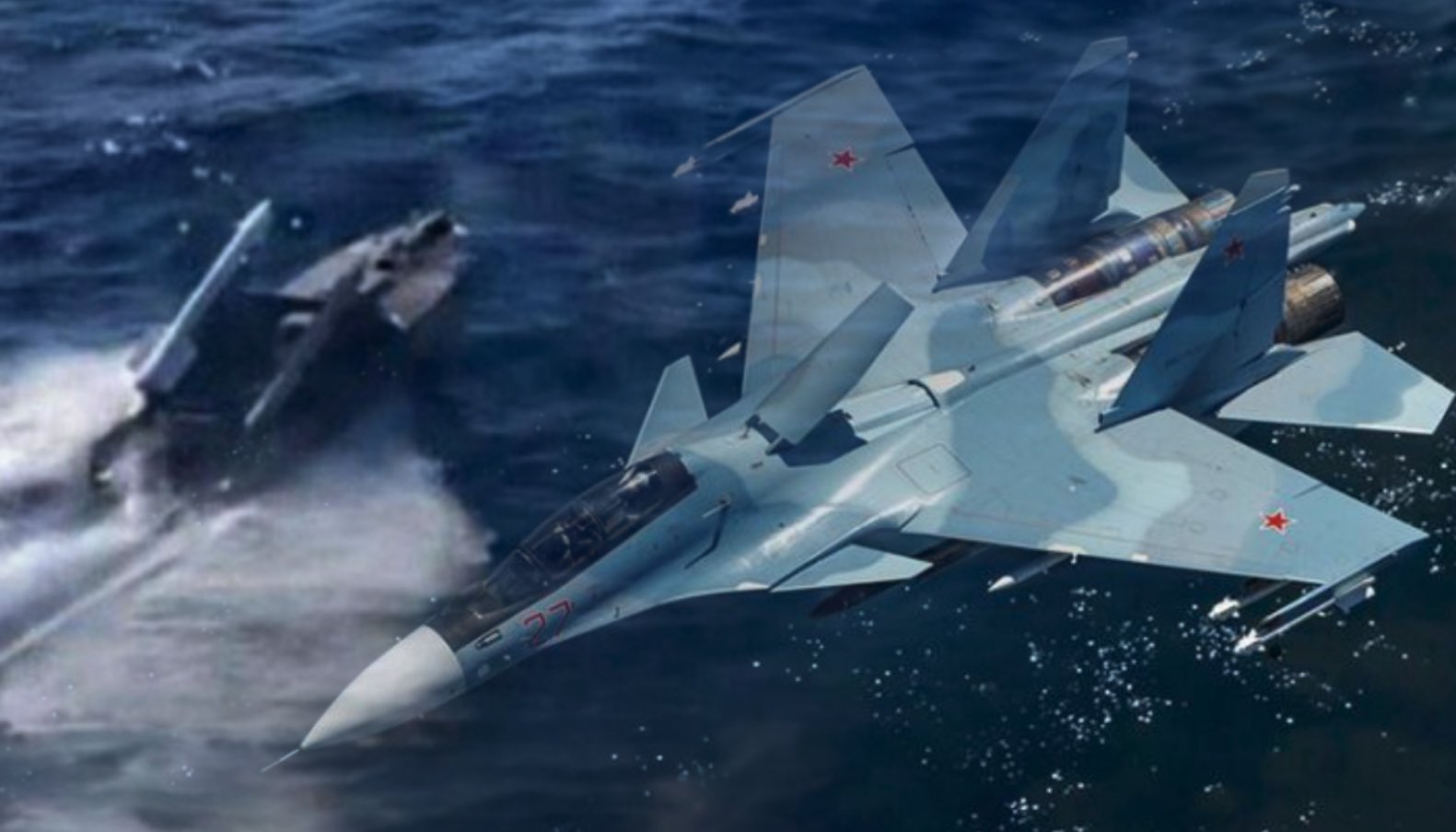
The recent incident involving a Ukrainian navy drone and a Russian SU-30 fighter highlights the transformative role of unmanned technologies in contemporary military strategy. As warfare becomes increasingly digitized, nations are investing heavily in developing unmanned aerial and surface vessels. Ukraine's use of an R-73 air-to-air missile, typically deployed by fighter aircraft, from a surface vessel signifies a new dimension of combat readiness.
Impact on Global Military Dynamics
Globally, the use of drones in warfare is shifting the balance of power. Countries like the United States and China have already integrated drones into their military tactics. This recent development in Ukraine reflects not only an innovative defense strategy but also poses a strategic message about technological evolution in war.
"Modern warfare is driven by technology, and the power to harness unmanned capabilities can revolutionize defense strategies." — Pentagon Spokesperson
Technological Advancements in Ukrainian Military
- Integration of AI-driven control systems
- Advanced missile tracking and targeting technology
- Capability to synchronize with other defensive platforms
This successful interception of a fighter jet by a navy drone has put a spotlight on the future of unmanned surface vessels in combat. It serves as a reminder of how technology, when strategically deployed, can redefine military outcomes.
For more insights into how technology is reshaping defense strategies, explore Next Big Future's articles on emerging military technology.
Discover a curated list of comprehensive resources on drone technology on Amazon for the latest books and research papers.
As we track these developments, the global focus sharpens on how such innovations can alter strategic advantages and diplomatic postures in regions prone to conflict.
Stay updated with related discussions on Brian Wang's LinkedIn, who extensively covers science and technological disruptions.
