
Why Big Tech's Nuclear Plans Could Blow Up
The Rising Energy Demands of Big Tech
With the rapid expansion of technology, including artificial intelligence and cloud computing, the energy consumption of data centers is skyrocketing. According to a report from the International Energy Agency (IEA), data centers currently account for about 1.5% of the world's electricity consumption. This figure is expected to grow exponentially as technology advances.
"Innovation and global consciousness must go hand in hand as we look towards the future of energy," said Fatih Birol, Executive Director of the International Energy Agency.
Why Nuclear?
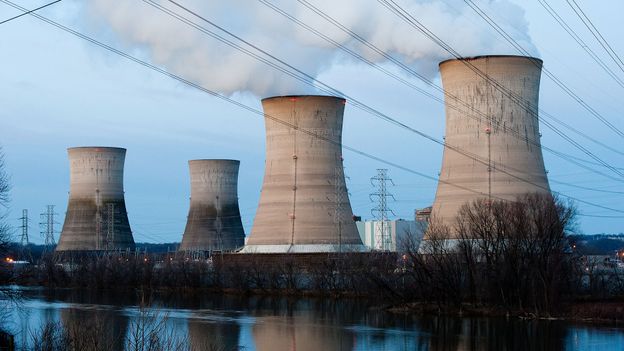
Nuclear power offers the potential for a reliable and virtually limitless energy supply, free of carbon emissions. This is particularly appealing for tech giants aiming to reduce their carbon footprints while meeting soaring energy requirements. Nuclear Energy
- Stable and reliable energy output
- Effectively reduces greenhouse gas emissions
- Potential for innovation in hybrid nuclear-solar power plants
The Risks Involved
Despite its advantages, nuclear energy comes with historical baggage and public perceptions that can be difficult to shake. Nuclear accidents, such as Chernobyl and Fukushima, loom large in public consciousness. Moreover, the disposal of nuclear waste remains a significant unresolved issue.
Historical Nuclear DisastersBig Tech's Investment in Nuclear
Various technology companies, such as Google, Apple, and Microsoft, are exploring nuclear solutions. They are investing heavily in startup companies that are breaking new ground in nuclear reactor design. The aim is to develop small modular reactors that are both safer and more efficient.
"We have a responsibility to reduce our environmental footprint," said Satya Nadella, CEO of Microsoft, in a recent blog post.
The Future Landscape of Energy Consumption
The future of energy consumption in the tech industry is leaning towards cleaner, more renewable resources. As sustainable energy sources such as wind and solar continue to face challenges in scalability and reliability, nuclear energy presents itself as a potentially stable alternative.
IEA World Energy OutlookAdditional Considerations
Investments in research around nuclear fusion, which promises a safer and nearly limitless energy supply, are also gaining traction. Companies are increasingly aware of the societal responsibilities and regulatory challenges tied to nuclear technology.
ITER Fusion Project