
Toshiba vs. Seagate: The Battle for Future HDD Dominance
The Race for Storage Supremacy
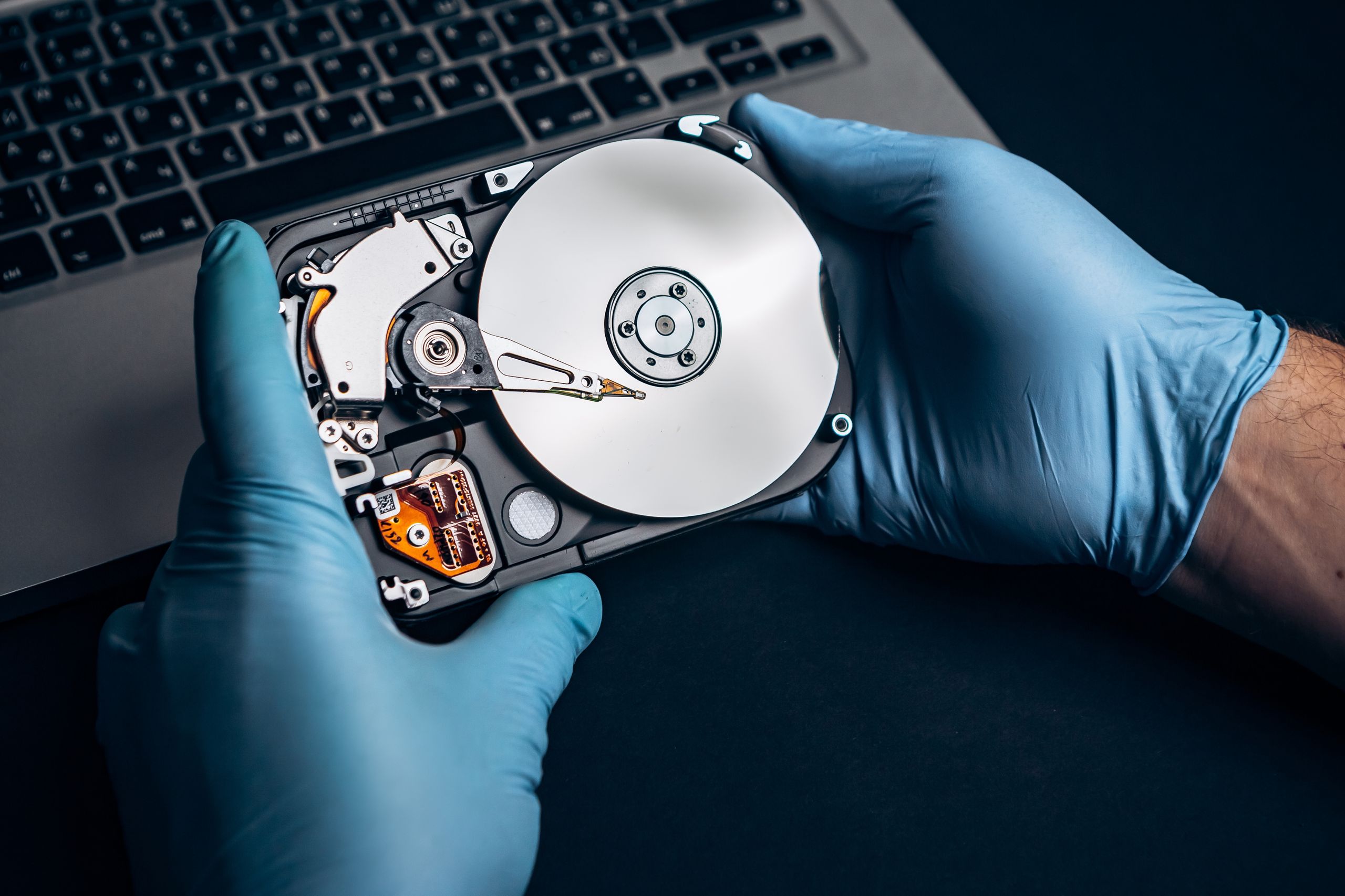
In a rapidly advancing world of data storage, companies like Toshiba and Seagate are vying for ultimate dominance. As we edge closer to 2027, technological advancements point to an exciting milestone in hard disk drives (HDDs). According to recent announcements, Toshiba plans to unveil a 40TB HDD featuring 12 platters. In a parallel bid, Seagate is already conducting trials on their 40TB HAMR (Heat-Assisted Magnetic Recording) drives, positioning for a 44TB target by the same timeframe.
Innovation and Technology
Toshiba's upcoming HDD will leverage 12-disk stacking technology, combined with the innovative Microwave-Assisted Magnetic Recording (MAMR). This technique promises an increase in areal density, offering higher storage capacities without compromising on performance or reliability.
“Innovation distinguishes between a leader and a follower.” — Steve Jobs
Comparative Analysis: Toshiba vs. Seagate
- Seagate is already testing its 40TB HAMR drives, showcasing their rapid-paced innovation.
- Toshiba's anticipated release, however, highlights a more conservative approach, pinning for a 2027 release.
Both companies are pushing limits in their own right, but the differing strategies may dictate their future market positions significantly.
Impact on Consumers and Enterprises
With data-centric applications soaring, the demand for higher-capacity storage solutions is more pronounced than ever. These HDD advancements by Toshiba and Seagate stand poised to revolutionize sectors reliant on vast data reserves, from cloud computing to digital media storage.
Look Ahead: What’s Next?
Reports suggest that Toshiba's new HDD will accommodate cutting-edge requirements for data-intensive environments, potentially blending seamlessly with emerging technologies like AI and Big Data analytics.
Explore more about current disk storage technologies on Amazon.
Both companies' upcoming innovations will undoubtedly shake up the current storage hierarchy in data practices. To stay informed on how these advancements evolve, follow industry discussions on LinkedIn.
Read in-depth analyses of these technologies in TechRadar and gain insights into video presentations exploring hypothetical scenarios on YouTube.
