
Tobacco and Cannabis: Exploring Their Impact on the Brain's "Bliss Molecule" System
```html
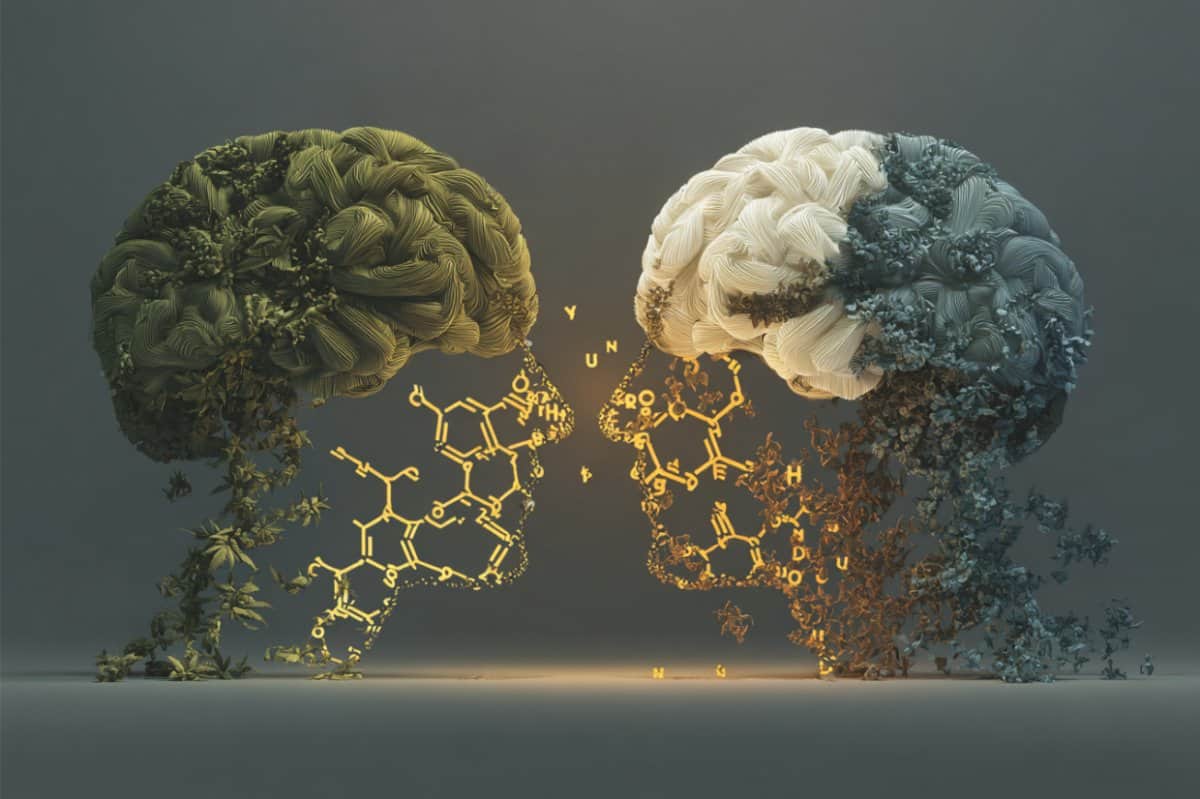
People who use both cannabis and tobacco show unique brain chemistry linked to higher anxiety, depression, and difficulty quitting. Exploring the intricate connection between these substances unveils compelling insights on brain chemistry.

Finally, discussions around these topics are amplified by social media influencers and health professionals sharing their insights. Consider following voices like that of Dr. Gabor Maté on Twitter for a blend of professional and firsthand accounts of living with and overcoming substance dependencies.
```
The Intricate Dance of Substances: How Tobacco and Cannabis Interact
In the labyrinth of the human brain, the endocannabinoid system governs many of our mood and emotional responses. It has a prominent component known as the "Bliss Molecule" or Anandamide. Recent research has unearthed that individuals consuming both cannabis and tobacco exhibit disrupted Anandamide levels. This interference contributes significantly to heightened anxiety, depression, and challenges in cessation efforts.
The Role of FAAH: A Key Enzyme in Focus
The enzyme, Fatty Acid Amide Hydrolase (FAAH), plays a pivotal role in the degradation of Anandamide. Brain scans illustrate elevated levels of FAAH in users of both substances, making it a critical player in this complex interaction. This heightened enzyme level impedes emotional regulation and the aptitude to experience 'bliss.'"The brain is the most complex object in the universe." — Michio KakuIt reminds us of the intricate processes governing our mental health and well-being, further amplified in the interaction of tobacco and cannabis.
Understanding the Users: Profiles, Patterns, and Challenges
Typical users of both tobacco and cannabis often report overlapping struggles. These include:- Increased levels of anxiety and depressive symptoms
- Heightened difficulty in quitting both substances
Emerging studies explore potential cessation aids, like certain nicotine replacement products and natural supplements, aiding withdrawal symptoms. However, comprehensive approaches inclusive of therapy and social support are often advocated.
Psychosocial Implications and Further Research
The social implications of dual usage are profound, demanding further research. Notable papers, like [this one on PubMed](https://pubmed.ncbi.nlm.nih.gov/), delve deeper into behavioral patterns, offering a glimpse into the psychological landscape shaped by these substances. Continue Reading at Source : Neurosciencenews.com
Tags:
Health
