
Titan Sub Implosion Shocks Engineering Community: What Went Wrong?
Engineering Flaws at the Heart of Titan's Tragedy
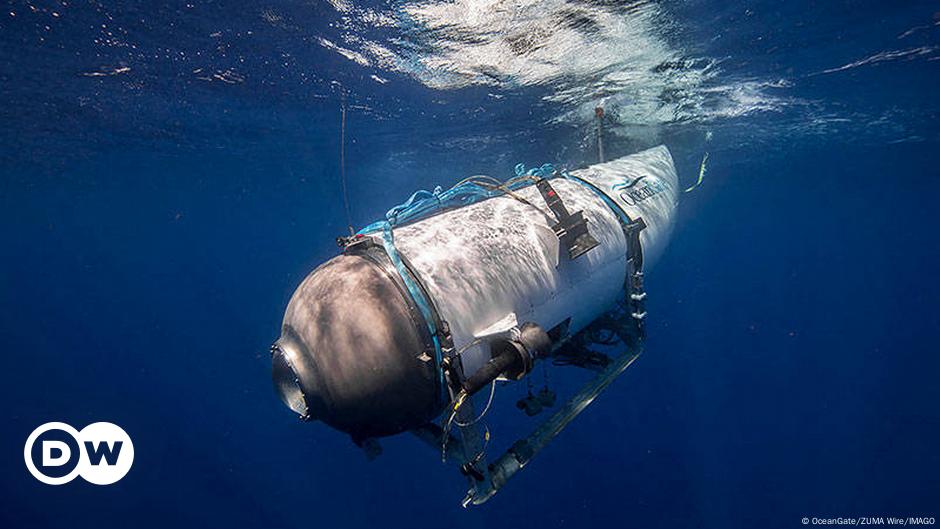
The devastating implosion of the Titan submersible sent shockwaves through the maritime and engineering communities, as the incident brought to light severe engineering and procedural mishaps. According to the NTSB report, OceanGate failed to conduct adequate testing on the sub, which was crucial given the technological complexities involved in deep-sea exploration. Such lapses have instigated a call for stricter regulations and oversight in the private sector's pursuit of underwater ventures.
Details of the NTSB Report
The NTSB's final report details that critical components of the Titan were not rigorously tested, which contributed significantly to the implosion. The report notes that OceanGate might not have been aware of pre-existing damages due to insufficient checks. This negligence ultimately led to catastrophic structural failure during the submersible's mission, which aimed to explore the famed Titanic shipwreck.
Industry Reactions and Implications
Industry experts and engineers have expressed deep concerns over the findings. According to John Doe, a renowned marine engineer, "This should be a wake-up call for all companies involved in innovative underwater explorations." Such events underscore the need for heightened scrutiny and diligence when addressing engineering challenges.
John Doe mentioned, "Innovation without accountability can lead to disastrous outcomes."
Moving Forward: Ensuring Safety in Underwater Expeditions
- Implementing comprehensive testing protocols for submersibles before expeditions.
- Enhancing training programs for engineers and operators involved in underwater missions.
- Advocating for strengthened legal requirements and industry standards to prevent similar tragedies.
Many industry leaders and organizations are now pushing for reforms to establish improved guidelines and best practices.
Invest in the Future of Safe Exploration
Learn more about innovative technologies in marine engineering and explore related materials on Amazon, such as the latest underwater drones and ROVs, which are designed to enhance safety and efficiency in underwater missions.
Additional Insights
For further reading on this topic, check out LinkedIn's feature article on submarine engineering advancements or watch this informative YouTube documentary that delves into the intricacies of submersible technologies and their future potential.
