
The End of VPN in Eastern Europe? A New Era for Internet Safety
Redesigning the Digital Infrastructure in Eastern Europe
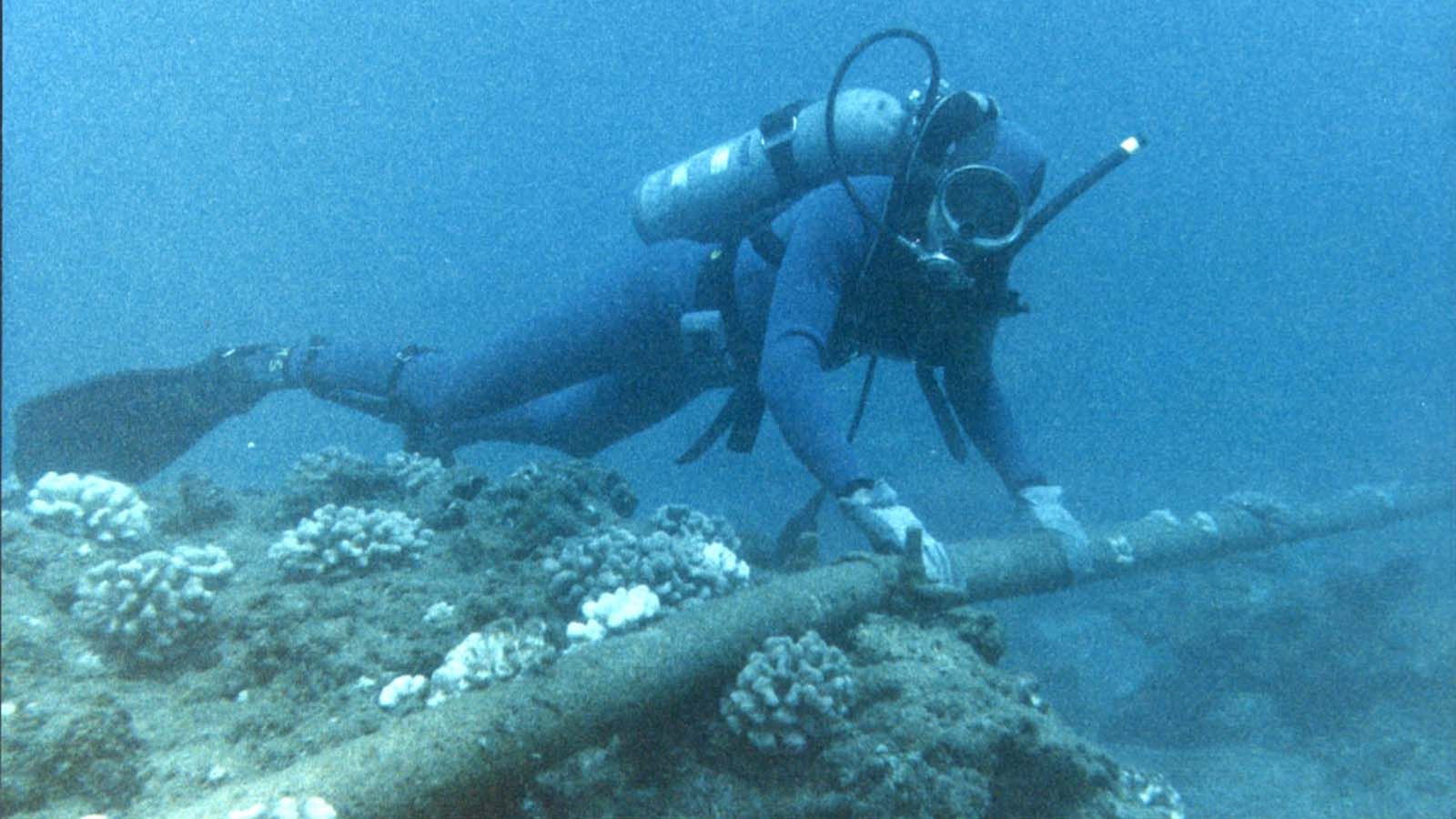
In recent years, Eastern Europe has witnessed a seismic shift in its approach to digital connectivity. The development of a massive subsea cable project in the Black Sea represents a bold move towards digital diversification and independence from Russian-dominated data traffic paths. This ambitious underwater network aims to bypass Russian networks altogether, promising to redefine Europe's digital landscape and address longstanding issues of internet privacy and data security.
The Black Sea: The Digital Battleground
With geopolitical tensions rising, the Black Sea has become a hotbed for innovation in digital infrastructure. Countries surrounding the region are increasingly seeking to establish an autonomous digital network. This move not only potentially strengthens regional security but also challenges the historically entrenched Russian influence over Eastern Europe’s internet connections.
"The geopolitical landscape has forever altered the dynamics of digital sovereignty in this region," reads a recent op-ed by a renowned tech analyst on LinkedIn.
Benefits of the New Subsea Cable Routes
- Enhanced digital sovereignty and independence.
- Increased resilience against cyber threats.
- Potential for improved internet speed and reliability.
- Expanded access to Western digital markets and services.
Risks Associated with New Developments
While the new subsea cable poses exciting possibilities, there are inherent risks, particularly concerning the region's political instability. These cables may become targets for sabotage or espionage, threatening both digital and physical security. Moreover, the rapid shift in infrastructure might outpace regulatory and security measures, potentially leaving networks vulnerable.
In addition, the economic costs of such a project can be significant, raising questions about sustainable investment in a region already facing economic challenges.
Broader Implications on Internet Safety
The completion of this project could mark a turning point in internet safety strategies, decreasing reliance on Virtual Private Networks (VPNs) for secure browsing as direct and safer routes become available. This might further influence global strategies aimed at decentralizing the Internet and minimizing single points of failure or control.
For more insight, a detailed discussion is available in a YouTube video by a leading cybersecurity expert.
Future Prospects
The developments in the Black Sea region offer a glimpse into future possibilities of digital independence and security. As technology continues to evolve, these subsea cables might lay the foundation for further innovations, driving a new era of digital advancements in Eastern Europe.
Stay updated with more like this by following us on social media or subscribing to our ResearchGate page for the latest research papers and expert insights.
