
Stars Support Bats: Citizens Unite Against a Fungal Threat
The Silent Wings of the Night
At dusk, the air comes alive with the soft whispers of bat wings. In locations across Washington, the community-driven effort to monitor these aerial acrobats is gaining momentum. The main concern? A lethal fungus, white-nose syndrome, which has been devastating bat colonies across North America.
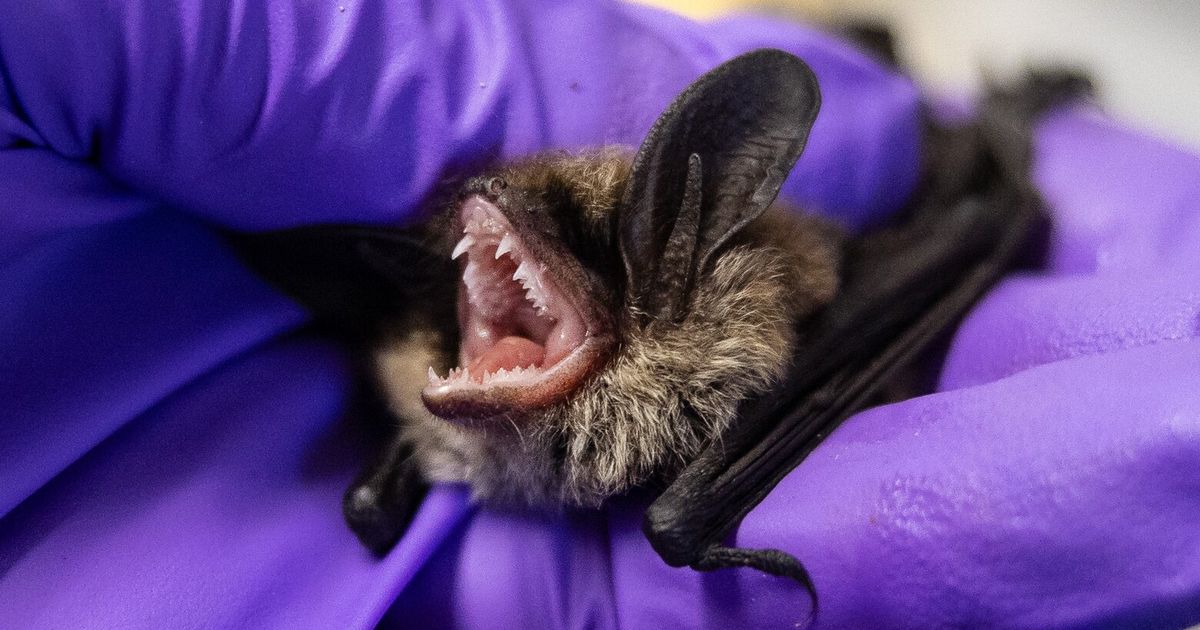
The Rise of Citizen Scientists
Ordinary people are donning the hats of scientists, armed with bat detectors and smartphones, to help gather data crucial for combating this epidemic. Their efforts bridge crucial knowledge gaps, providing researchers with insights on bat activity patterns, population sizes, and potential safe havens free from the fungal threat.
“In conservation, it’s the efforts of individuals that often lead to the greatest impact,” noted Dr. Jane Batson, a renowned wildlife biologist.
Understanding White-Nose Syndrome
The sinister Pseudogymnoascus destructans fungus thrives in cold, damp environments, attacking bats during hibernation. It disrupts their slumber, causing them to burn through fat reserves and starve before the winter ends. Recognized as a primary cause of bat mortality, it's a crisis that necessitates urgent action.
- Key Facts About White-Nose Syndrome:
- Affects hibernating bats in North America.
- Has killed millions of bats since its discovery.
- Spread through bat-to-bat transmission and possible human activities.
For a more detailed understanding, view this comprehensive report on white-nose syndrome.
Impact on Ecosystem and Agriculture
Bats play a critical role in pest control, eating insects that could ravage crops. This natural mitigation is invaluable to agriculture and reduces the need for pesticides. The collapse of bat populations is not just an ecological loss, but one with significant economic repercussions.
The plight of West Coast bats has captured the attention of environmental activists and even celebrities who have used their platforms to raise awareness. Social media campaigns have amplified the need for urgent conservation measures, urging followers to support bat preservation efforts financially and through volunteering.
How to Get Involved
Interested in joining the cause? Numerous resources are available for potential citizen scientists. Consider starting with Bat Week activities, which provide information on how to engage with local bat conservation efforts. Volunteers are always needed to monitor bats at dawn and dusk, affectionately known as “batting hours.”
Explore recommended gear for enthusiasts aspiring to make a difference, such as bat detectors available on Amazon.
The Huntington Botanical Gardens and the Smithsonian have released informative YouTube videos detailing the importance of bats to our ecosystem.
For frequent updates and participation insights, follow conservation groups on Instagram and Twitter. Engage with popular conservationists like Jane Goodall on social media, who frequently underscore the crucial role of community action in saving wildlife.
Amidst this battle against a microscopic foe, hope shimmers in the twilight as Washington's dedicated citizen scientists continue their vigilant watch. Their actions weave an interlinked fabric of awareness and action that aims to save these nocturnal guardians of the night.
