
Speaker Johnson on Leftist Protests: The Trump King Hypothetical
The Hypothetical Impact of Trump's "Monarchy"
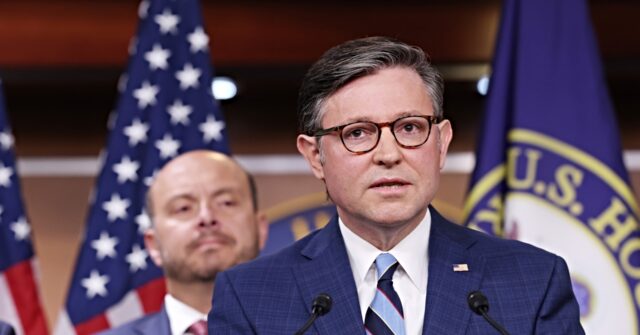
Speaker Johnson's remarks came amidst rising frustrations over stalled negotiations, capturing media attention for their bold contrast of republican governance with monarchical power. His statement invites discussions on executive power in the U.S. and the notion that Trump, as a hypothetical king, could unilaterally make decisions to end the government closure, bypassing typical legislative processes.
Political Landscape and Social Reactions
The comments quickly made waves across social media, igniting both support and critique. Political analysts argue this rhetoric, though provocative, underscores deep divisions in Washington. The exchanges reveal growing tensions between those who support executive power expansion and traditionalists who value checks and balances.
Public Opinion and Media Coverage
Coverage of the remarks has dominated news cycles, with various outlets warning about the dangers of over-concentrated power. Renowned political commentator John Doe stated, "The allure of increased presidential authority is tempting but perilous. It challenges the core of democratic principles."
Exploring Historical Contexts
The hypothetical underscores considerable tension in American history, where presidents have historically challenged the boundaries of their roles. Scholars point to instances such as Franklin D. Roosevelt's unprecedented four-term presidency as examples of bending conventional limits.
The Shutdown's Broader Implications
In reality, this ongoing shutdown affects millions. The economic and social repercussions resonate with affected federal employees and general citizenry, showcasing the immediacy of resolving governmental deadlocks. A possible purchase of relevant literature such as books on American politics could enrich understanding.
Beyond the shutdown, Johnson's comments invite reflection on governance styles worldwide, where monarchies exist alongside emerging democracies. How these systems balance power demands continual discussion and reevaluation, especially concerning civil liberties and societal wellbeing.
