
Sanae Takaichi: Breaking Barriers in Japanese Politics
The Cultural Paradigm: A Milestone in a Traditional Society
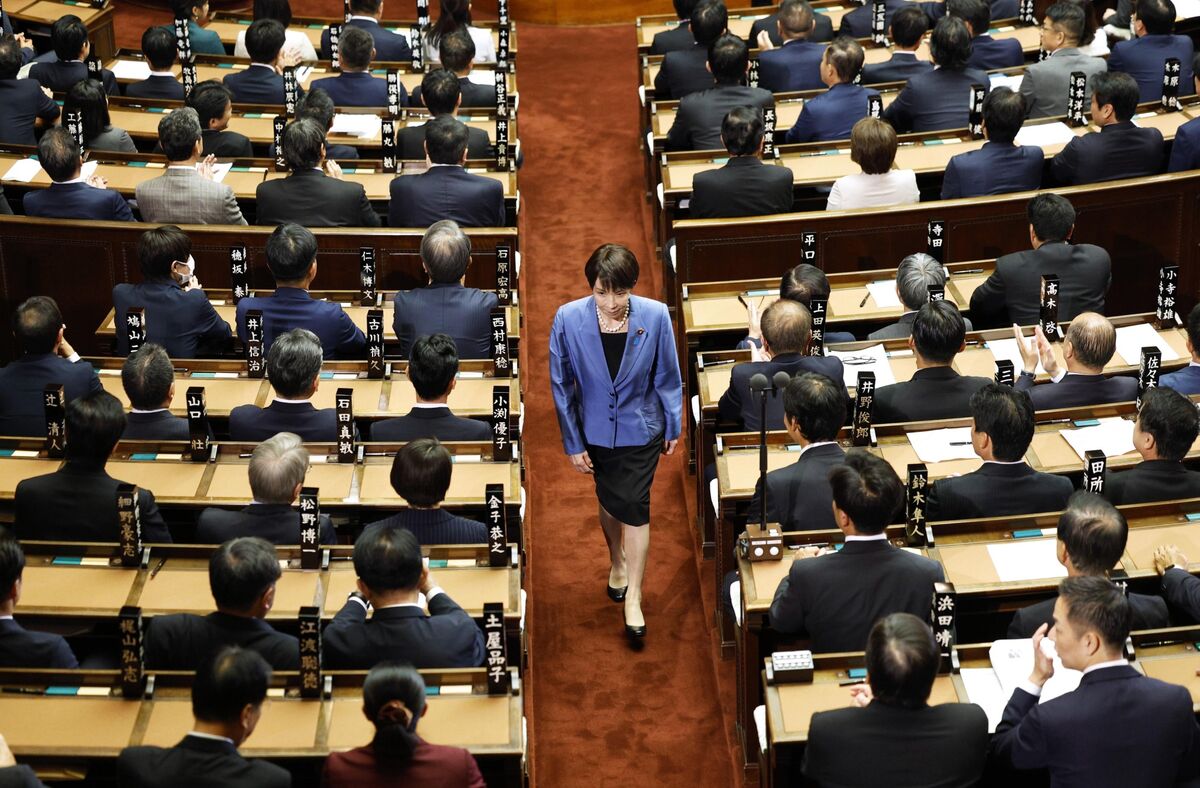
In a society deeply rooted in tradition, Takaichi’s leadership signifies a progressive shift, but it raises questions about how far the country still needs to go in achieving true gender equality. Her election is an inspiring moment that symbolizes change in a typically male-dominated political climate.
Challenges Women Face in Japanese Politics
Despite this milestone, Japanese women continue to encounter substantial barriers in the political arena. Representation in government is limited, with women holding only a small percentage of seats in Japan's parliament. The political landscape remains an arduous environment for women aspiring to lead.
"Gender equality is not only a fundamental human right, but a necessary foundation for a peaceful, prosperous and sustainable world." — United Nations
Impact on Corporate Leadership and Cultural Traditions
Beyond politics, gender disparity also stretches into corporate leadership and cultural traditions. Women are underrepresented in executive roles, and societal expectations often limit their career advancement. This disparity can be observed in some traditional settings, such as restricted participation in cultural ceremonies and festivals.
Global Comparisons and Future Prospects
Globally, Japan ranks low in gender equality indices. Factors contributing to this include entrenched social norms and lack of supportive policies for gender diversity. Future prospects for change rely on societal as well as governmental initiatives that support women in leadership roles, providing strong role models for future generations.
The legacy of leaders like Sanae Takaichi could pave the way for future generations of women to aspire to positions of influence. It emphasizes the need for continued efforts to dismantle barriers, ensuring equal representation across all sectors of society.
