
Samsung Teams Up with Nvidia: Unveiling the Future of Custom AI Silicon with NVLink Fusion
The Strategic Alliance: Samsung and Nvidia's Joint Vision
Samsung's integration with Nvidia Foundry marks a significant stride in the tech industry. This alliance not only enhances Nvidia's existing NVLink Fusion but also opens pathways for custom AI silicon that remains exclusively tied to Nvidia products. This initiative is crucial as Nvidia seeks to solidify its dominance amidst growing competition from technological behemoths.
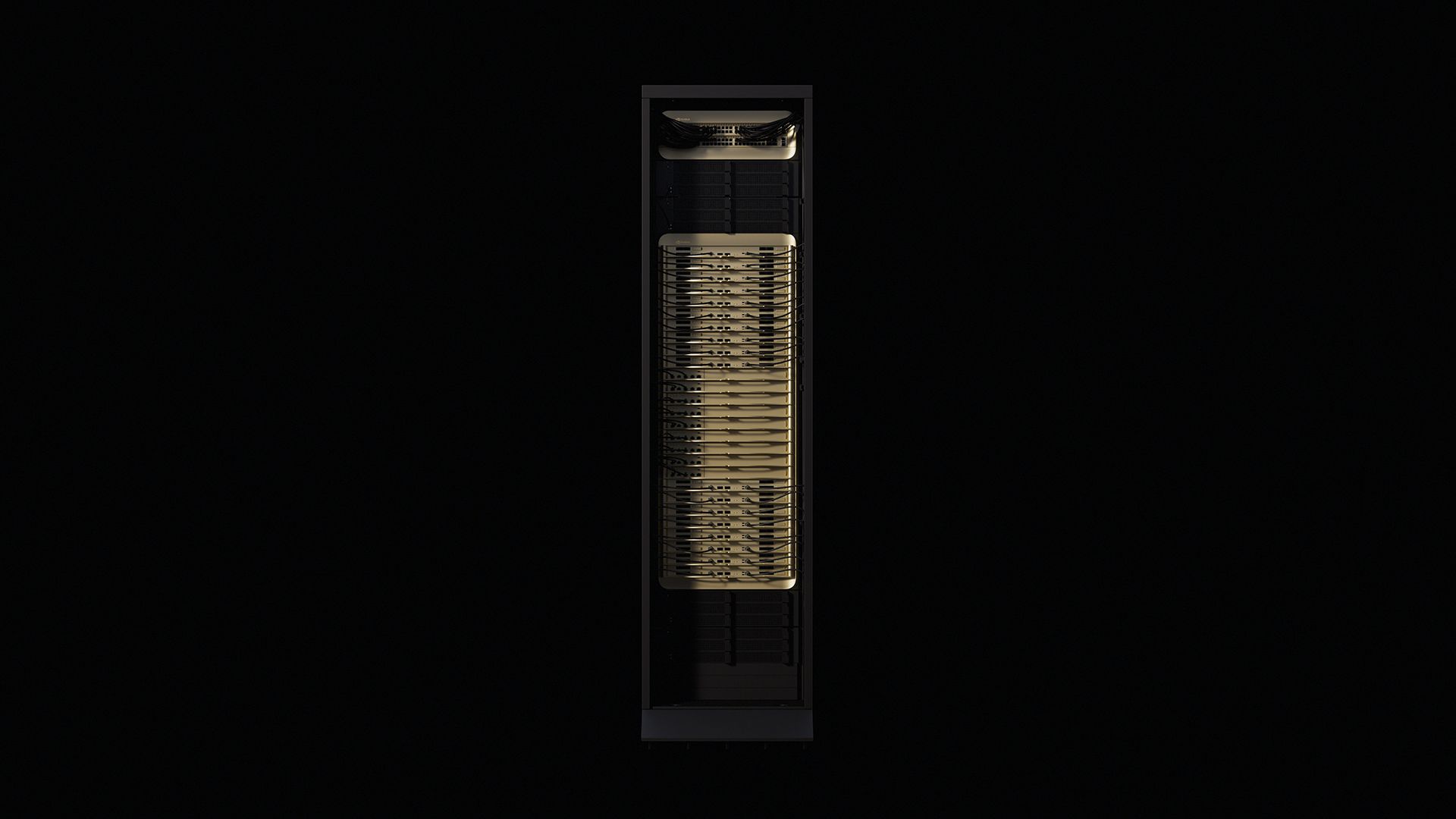
Understanding NVLink Fusion and Its Impact
NVLink Fusion stands out for its capability to facilitate seamless communication between CPUs, GPUs, and accelerators. This technology is pivotal to AI operations, allowing for enhanced computational efficiency and speed. By harnessing Samsung's foundry capabilities, Nvidia is likely to refine NVLink further, potentially setting new benchmarks in AI processing paradigms.
"The greatest danger of AI is that people conclude too early that they understand it." - Elon Musk
Market Dynamics: Surviving Against a Sea of Giants
Nvidia's move to partner with Samsung is strategic, reflecting a landscape where collaborative innovation is essential to staying ahead. By working alongside a tech titan like Samsung, Nvidia can focus on deep integration of its proprietary technology, ensuring it stays one step ahead of competitors including Google and AWS.
- Increased data processing speeds for AI applications.
- Improved efficiency of neural networks and machine learning algorithms.
- A dedicated pipeline for AI workflow optimization.
Additionally, industry followers can anticipate seeing more from Nvidia's expansion into custom chip designs, potentially leveraging Samsung's advancements in semiconductor manufacturing. This collaboration may spearhead innovations extending beyond NVLink Fusion, setting trends for the next-generation AI processors.

Implications for Stakeholders and Consumers
For consumers and stakeholders, this partnership could translate to faster, more efficient AI applications across various industries, from healthcare to autonomous vehicles. As Nvidia fortifies its product exclusivity, users could also see enhanced reliability and longevity in AI solutions.
Companies such as Autonomous Car Devices available on Amazon may capitalize on these advancements, integrating more sophisticated AI processors rapidly.
With continuous advancements in AI hardware, industry insiders suggest keeping an eye on upcoming conferences and releases where Samsung and Nvidia might share their progress and unveil additional innovations springing from this powerful collaboration.
