
No Shower Door, No Problem: Wet Rooms Trend
The Rise of Wet Rooms
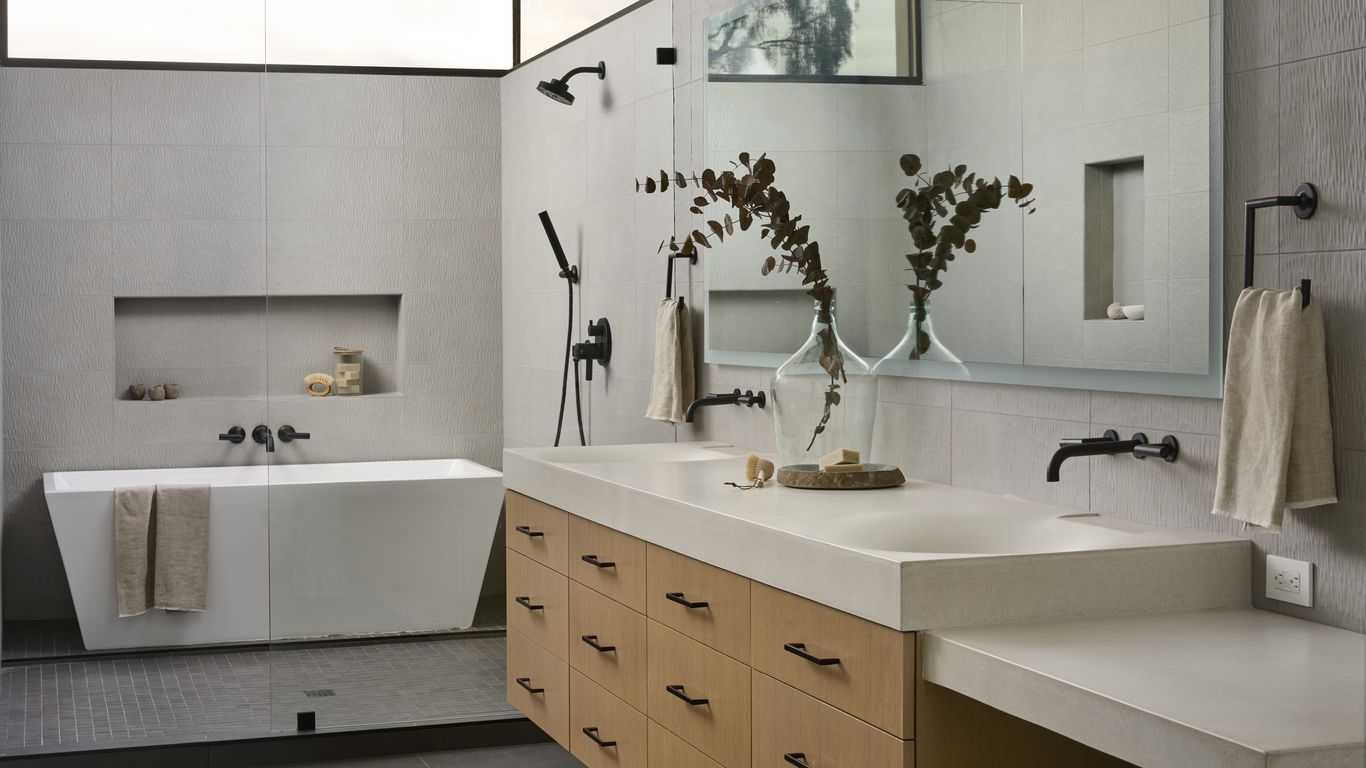
Over the past few years, wet rooms have gained prominence as a trendy option for bathroom renovations. The appeal lies in their minimalist aesthetic and functional design, making small spaces feel larger and more open. A wet room is essentially a waterproofed bathroom that usually includes a shower set in the same space, often without a shower tray, allowing water to drain away through an invisible gradient on the floor.
Key Components of a Wet Room
- Waterproofing: Proper waterproofing is essential to prevent water leakage and subsequent damage. This involves using tanking solutions to seal walls and floors.
- Drainage System: An efficient drainage system is crucial. The floor must be laid with an accurate gradient to ensure the water flows directly into the drain.
- Open Space Design: With no shower doors or curtains, wet rooms provide an open plan that must be carefully designed to prevent the rest of the bathroom from getting wet.
Advantages and Considerations
One of the key benefits of wet rooms is their accessibility, particularly important for those with mobility issues. Moreover, they add value to property, appealing to modern home buyers looking for stylish and functional bathroom solutions. Nonetheless, experts advise considering the potential risks, such as water damage, mold, and the initial cost of installation.
"Good design is obvious. Great design is transparent." — Joe Sparano
This quote emphasizes the need for well-thought-out design, a principle particularly relevant to wet room construction, where the seamless, open look must balance practicality and style.
Maintenance and Longevity
Proper maintenance is key to ensuring the longevity of a wet room. Regular cleaning to prevent mold buildup and prompt repairs of any damage are necessary. Investing in high-quality materials can also reduce the need for frequent repairs. For more on cleaning routines, see this comprehensive guide on Amazon.
Expert Advice
Designers and builders often recommend consulting with professionals when planning a wet room. A poorly designed wet room can lead to expensive repairs down the line. It is also beneficial to look at homes that successfully implemented this trend; websites like Houzz and social media design pages on Pinterest can provide inspiration and case studies.
For more insights, check out a detailed video walkthrough on YouTube covering crucial implementation steps for a hassle-free wet room.
Additional Innovations
To enhance your wet room even further, consider integrating smart technology such as digital shower controls or underfloor heating. These elements can create an even more personalized and enjoyable experience. For more innovative product ideas, visit Smart Bathroom Innovations.
