
New Space Race to the Moon: US Vs China, SpaceX vs Blue Origin, Musk vs Bezos, Musk vs NASA
The Renewed Lunar Race: A Geopolitical and Technological Arena
The Moon, once a silent witness to human ambition, is now the center of an electrifying 21st-century space race. As NASA revitalizes its lunar exploration program, China, with its rapidly advancing space capabilities, has thrown down the gauntlet. The burgeoning competition showcases not just national pride, but immense technological prowess. Companies like SpaceX and Blue Origin now play pivotal roles, transforming space exploration into a commercial endeavor with significant stakes.
SpaceX vs. Blue Origin: A Battle of Billionaires
Elon Musk’s SpaceX and Jeff Bezos's Blue Origin are pushing the limitations of modern space technology. SpaceX, famed for its revolutionary rockets, aims to land astronauts on the Moon's surface as part of its broader Mars colonization vision. In contrast, Blue Origin focuses on sustainability with its lunar lander, Blue Moon. As these giants compete, the question arises: who will redefine the human step on lunar soil?
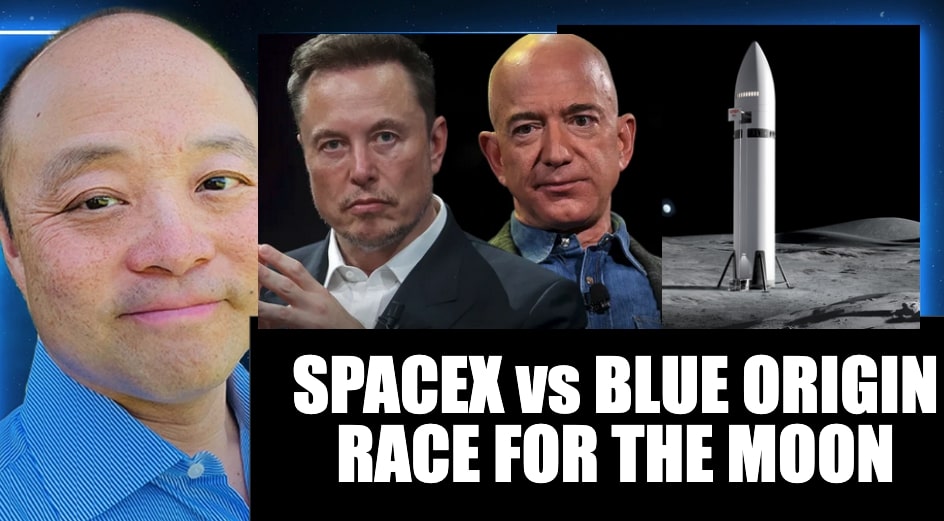
Musk vs. Bezos: A Tale of Two Visions
"The important thing is that we establish the truth of possibility—something that can be done, should be done, and is worth doing." - Elon Musk
These tech titans hold differing ideals for lunar exploration: Musk champions interplanetary life whereas Bezos envisions a space-made Earth. Their ambitions spill beyond mere business rivalries, influencing global space policies. Explore SpaceX models on Amazon.
America vs. China: New Frontiers in Lunar Domination
Amidst US-Chinese tensions, both nations gear up to cement lunar leadership. America, backed by NASA and commercial enterprises, seeks sustained human presence on the Moon. Conversely, China’s ambitious Chang’e program forecasts a lunar base by the 2030s. These moves are more than scientific pursuits—they're emblematic of strategic dominance in modern space-era geopolitics.
Technological Marvels: Pushing Boundaries in Space Exploration
- Revolutionary Rockets: SpaceX’s Starship, Blue Origin’s New Glenn.
- Lunar Operations: NASA’s Artemis Program, China's Chang'e Missions.
- Commercial Ventures: Beyond government projects, private companies are innovating faster than ever.
These advancements make space more accessible and promise new milestones in space civilization. Read more on lunar research advancements.
The Future: What Lies Ahead?
The current space trajectory posits a future where multinational collaborations and commercial partnerships could pave the way for humanity’s return to the Moon, Mars, and beyond. As the race intensifies, we can expect transformative changes that repurpose our celestial neighborhood's narrative entirely. Follow space innovations on SpaceX's official Twitter for more updates.
This new era of exploration rekindles the inquisitive spirit of humanity, challenging what we have known and inspiring generations to dream without boundaries, expect breakthroughs, and witness history in the making.
