
Meet the Bloodsucking Invaders: Aedes aegypti Spreads in Southern Utah
The Unwelcome Settler: Understanding Aedes aegypti
The Aedes aegypti mosquito is notorious for its capacity to transmit diseases such as dengue, Zika, and yellow fever. Originally rooted in Africa, this mosquito has become a global health hazard. Now, its presence in southern Utah marks a significant public health concern.
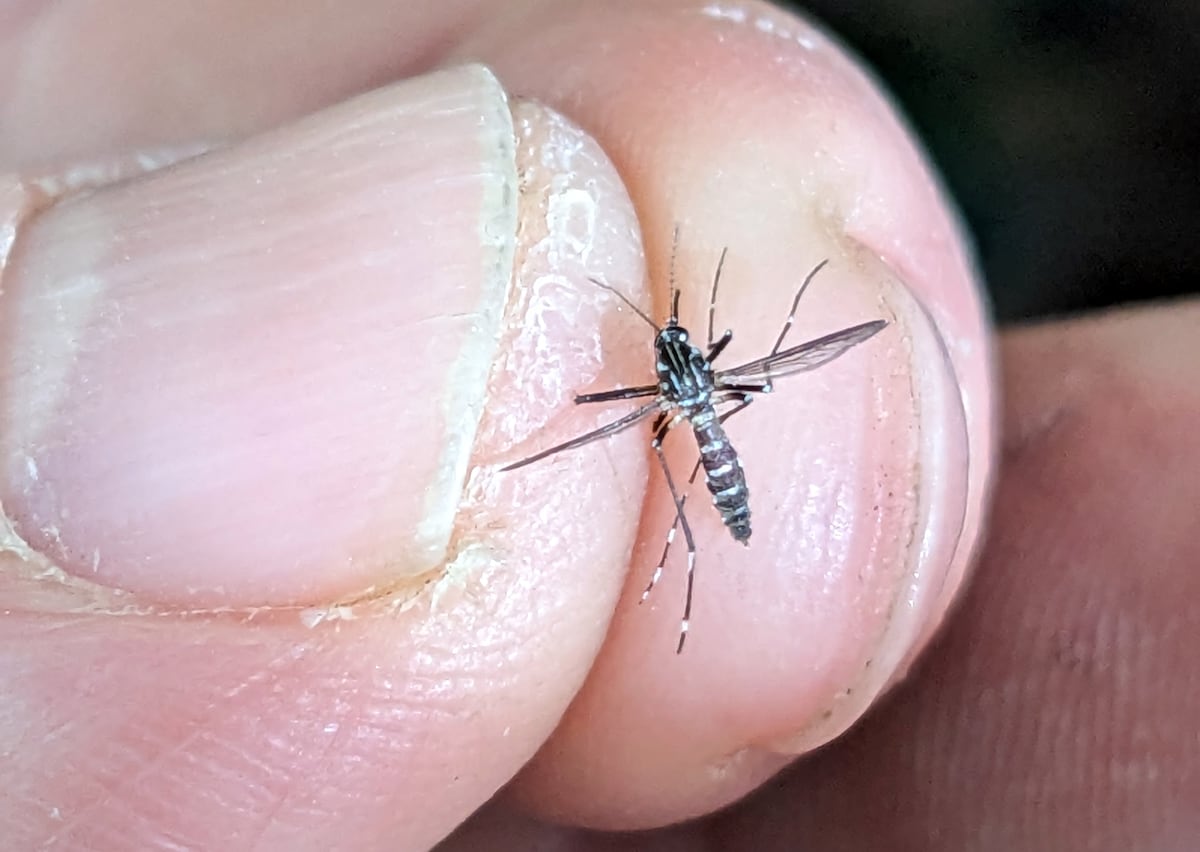
Biology and Behavior of Aedes aegypti
Characterized by its distinct black and white striped legs, the Aedes aegypti mosquito thrives in tropical and subtropical climates. This invasive species is well-adapted to urban living, favoring stagnant water collections found in everyday household containers.
Health Implications
The danger posed by these mosquitoes is not just their bite, but the diseases they can carry. With every bite, there's a potential risk of contracting debilitating illnesses. The Centers for Disease Control and Prevention (CDC) highlights the importance of preventive actions in mitigating these health risks.
Dr. Anthony Fauci, renowned for his work on infectious diseases, once stated, "Damage prevention is better than disaster management."
Prevention: What Can You Do?
- Regularly drain standing water around your home.
- Use mosquito repellents with DEET or Picaridin.
- Install screens on windows and doors to keep mosquitoes out.

Community Efforts and Education
Local authorities are mobilizing efforts to manage and reduce mosquito populations. Educational campaigns and community workshops aim to enhance public awareness and response strategies.
Utah's residents can benefit from additional resources and guides available through Utah Mosquito Control. Engaging in proactive measures ensures collective safety and health.
Global Perspective: The Bigger Picture
This local issue is part of a global challenge. The spread of Aedes aegypti is being monitored worldwide, with research focusing on innovative strategies for eradication and control. The World Health Organization (WHO) continues to prioritize research and preventive measures to curb this menace globally.
Public health needs greater synergy between global research, local policies, and individual action to combat this biting threat successfully.
Final Thoughts: Awareness and Vigilance
Ultimately, combating the Aedes aegypti mosquito in southern Utah demands heightened awareness and collective vigilance. By adopting preventive measures and supporting local efforts, residents can play their part in controlling this invasive species and safeguarding community health.
Stay informed, stay prepared, and protect your loved ones today.
