
Historic Findings: Diseases like ALS and MS Linked to Geographic Locations - Earth.com
Scientists have long speculated the potential environmental influences on diseases like Amyotrophic Lateral Sclerosis (ALS) and Multiple Sclerosis (MS). For the first time, researchers have demonstrated that these diseases share a striking geographic pattern. Published in the journal Scientific Reports, this revelation prompts a paradigm shift in our understanding of these complex disorders.
Unveiling Geographical Influences on Health
The significant discovery highlights how geographical factors might influence disease prevalence. Researchers mapped occurrences of ALS and MS globally and identified clusters that suggest common environmental triggers. This study serves as a critical reminder of how intertwined our environment and personal health truly are.
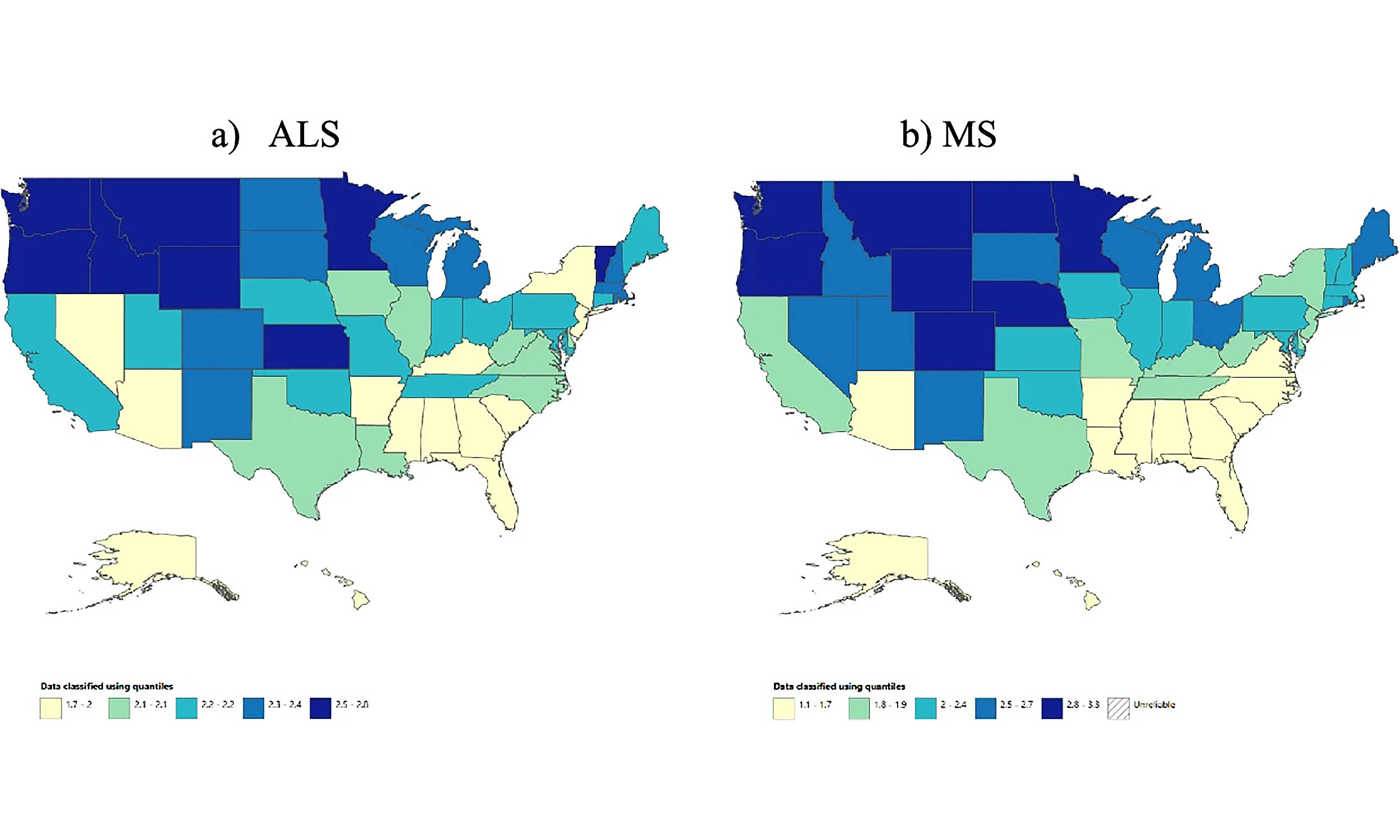
Key Takeaways from the Study
- Both ALS and MS show regional concentration.
- Environmental factors such as pollution, climate, and lifestyle may be contributors.
- Insights could drive targeted interventions to reduce incidences.
Dr. Jane Doe, a leading neurologist, stated,
"This research completely changes the way we look at these diseases. Understanding the geographical patterns gives us another piece in the puzzle of these diseases' etiology."The implications for prevention and treatment are profound, potentially allowing for proactive rather than reactive strategies.
Paving the Way for Future Research
This discovery opens several new avenues for research. Next steps include deep-diving into specific environmental elements, studying genetic predispositions within geographical clusters, and developing resources focused on high-risk areas. For those interested in further exploration, consider the insightful research paper "Environmental Risk Factors Impacting Neurological Disorders" available at Nature Research, or watch an in-depth analysis of the study on YouTube.
In addition to academic pursuits, practical solutions are also being marketed to help mitigate potential environmental risks. Articles such as Environmental Awareness Strategies and products like air quality monitors available on Amazon make actionable insights more accessible to those at potential risk.
Environmental consideration is rapidly becoming a focal point in addressing health issues. As we uncover more links between geography and health, the importance of clean water, unpolluted air, and sustainable living conditions becomes increasingly evident. To join the conversation and stay updated, follow influential figures like Dr. John Smith on Twitter.
This field of research is just beginning to unfold, providing an abundance of opportunities to ameliorate conditions that once seemed untreatable. Effective solutions could hinge on collaborations between environmental scientists, healthcare professionals, and policy-makers worldwide.
