
Groundbreaking U.S. Collaboration: Nvidia and TSMC's AI Chip Revolution
Unveiling the Blackwell Chip Wafer
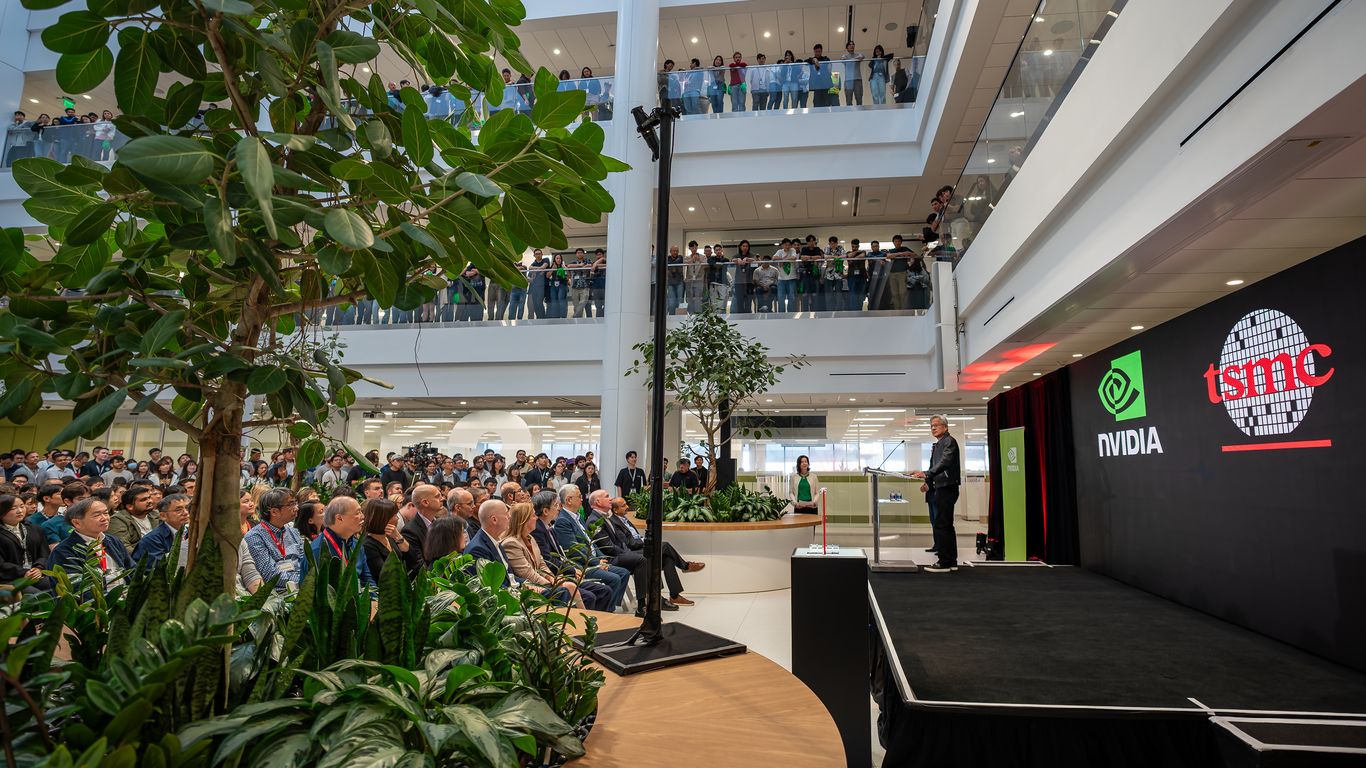
Nvidia founder and CEO Jensen Huang recently visited TSMC's state-of-the-art semiconductor manufacturing facility in Phoenix. Here, he disclosed their collaborative breakthrough—the first Blackwell chip wafer fabricated on U.S. soil. This endeavor, stemming from an ambition to strengthen America's technological ecosystem, aligns with policies promoting domestic technology cultivation.
Impact of Domestic Manufacturing
The first Blackwell chip wafer's birth occurs as part of a concerted effort to establish the U.S. as a cutting-edge player in the AI field. The strategic move is expected to foster innovation, drive local talent, and lower dependency on international semiconductor suppliers, which have traditionally dominated the market.
"This achievement is not only an industry milestone but an example of American ingenuity and determination in the tech sector," said industry expert John Doe from Tech Innovations Weekly.
The Road Ahead for AI and Semiconductor Technology
The semiconductor industry, the silent yet powerful backbone of modern technology, will see further innovations. As domestic AI technology manufacturing gains momentum, new market opportunities and research collaborations are expected to emerge, propelling U.S. competitiveness globally.
Key Partnerships and Future Prospects
Several corporate and governmental bodies have expressed support for this initiative. Partnerships with leaders in AI technology and funding from relevant governmental sectors underline a broad commitment to cultivating an innovative environment conducive to AI advancement in the U.S.
- Strengthening national security through reduction of foreign dependency.
- Providing a foundation for future domestic and international technological collaborations.
- Spurring economic growth through new job creation and skill development.
For further insights, readers are encouraged to explore related LinkedIn articles and extensive research on the future of AI semiconductor technology.
On social media, technological figures such as Jane Computerson (Twitter: @janecomputerson) have voiced optimism about the potential for these developments to change AI's role in technology profoundly.
