
Groundbreaking Research: Meat Contamination Linked to UTI
Discover the Link Between Food Safety and Health
Recent discoveries have drawn a concerning connection between contaminated meat and urinary tract infections (UTIs). This pivotal study, conducted over four years in Southern California, noted that E. coli, a common bacterium found in contaminated meats, contributed to nearly 20% of UTI cases analyzed. This evidence points to a pressing issue that may extend across the United States.
Unpacking the Study
The study, rigorously examining thousands of UTI cases, found significant traces of E. coli linked to improperly handled or contaminated meat. Given the rising trends in meat consumption and associated dietary habits, this poses a stark warning to consumers globally.
"The intersection of food safety and health is more critical now than ever," says Dr. Jennifer Rivers, a leading researcher in public health.
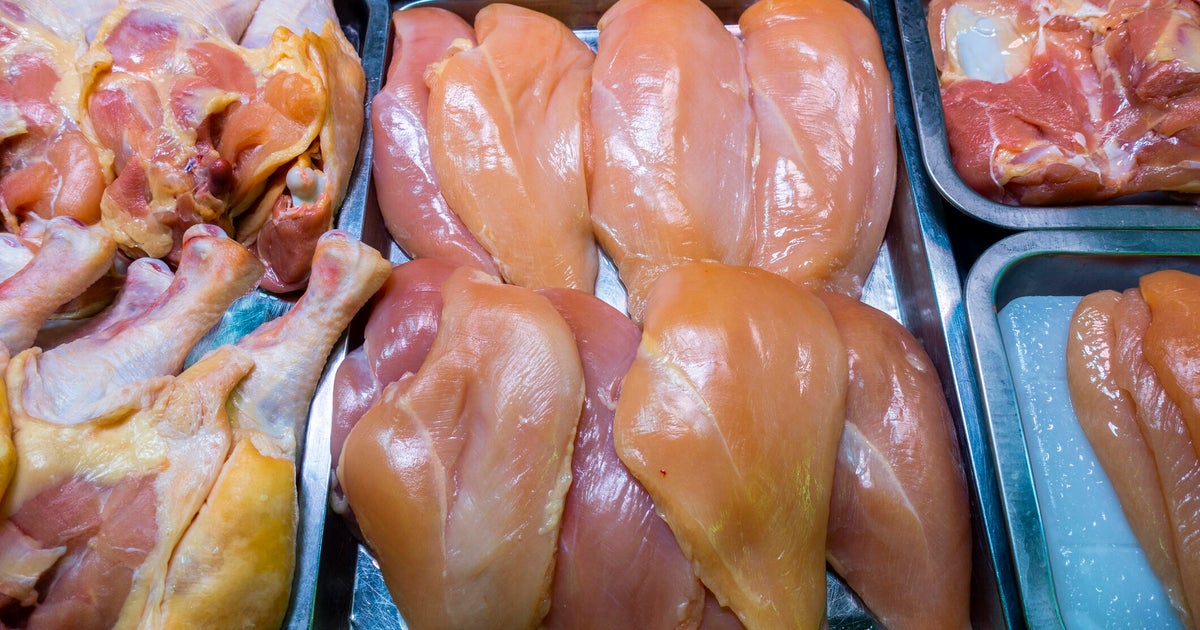
Guidelines for Safe Meat Handling
To mitigate these risks, the Centers for Disease Control and Prevention (CDC) recommends the following:
- Cook meats thoroughly to recommended temperatures.
- Practice good hygiene and safe food handling practices.
- Avoid cross-contamination by using separate cutting boards for meats and vegetables.
- Store meat at safe temperatures to prevent bacterial growth.
Implications for Public Health Policy
Urinary tract infections are just one aspect of the broader implications of consumable goods safety. This research underscores the necessity for stringent inspections and regulations to protect consumers. Explore this research article that elaborates on the extensive impacts of foodborne illnesses.
Consumer Actions for Enhanced Safety
Being informed and proactive can significantly reduce risks. Shopping for antibiotic-free, organic meat can lessen exposure to harmful bacteria. You might want to consider this highly-rated organic chicken on Amazon as a safer alternative.
Agriculture and Food Safety Technology
There are technological advancements in agriculture aimed at minimizing these risks. Innovations such as blockchain for supply chain transparency and automated quality controls in processing plants are noteworthy. A fascinating YouTube video explains how these technologies are revolutionizing food safety.
Building a Healthier Future
As we move forward, cross-disciplinary collaboration among food safety experts, technologists, and health professionals is essential in both understanding and solving these pressing issues. By keeping informed and proactive, we not only protect ourselves, but also contribute to a healthier global community.
To stay updated on similar threads of health news and studies, explore the National Institutes of Health News, a resourceful platform for all your health inquiries and timely studies.
