
Exploring Future Lunar Landings: Dynetics Alpaca and Blue Origin Innovations
Reviving The Lunar Competition
The dream of returning humanity to the Moon is becoming increasingly tangible, with significant aerospace contenders such as Dynetics and Blue Origin actively working on their lunar lander concepts. Both the Dynetics Alpaca and the Blue Origin National Team lander have the potential to play a pivotal role in the 2029-2030 lunar missions.
Dynetics Alpaca: A Flexible Approach
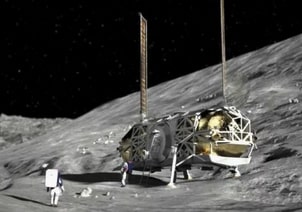
Dynetics' Alpaca, short for Autonomous Logistics Platform for All-Moon Cargo Access, promises versatility and efficiency. The lander's design prioritizes modularity, which allows it to support various mission profiles, ranging from lunar surface exploration to cargo deliveries.
"The lunar landers of tomorrow are built today by engineering visionaries and agile innovators." — A NASA spokesperson.
The successful deployment of Alpaca will depend heavily on significant capital infusion, projected to range between $2-5 billion for development.
Blue Origin: Continuing A Legacy of Innovation
Blue Origin, spearheaded by Amazon’s Jeff Bezos, has long been a pillar of private aerospace innovation. Its lunar lander concept, part of the Blue Moon initiative, envisions a vehicle with a reliable track record and advanced capabilities for sustainable lunar presence.
While Blue Origin has not disclosed the exact cost, their strategic partnership with firms like Lockheed Martin and Northrop Grumman showcases the collective expertise fuelling their lunar lander ambitions. Interested in the technology behind aerospace advancements? Discover relevant resources on Amazon's selection of space exploration books and materials at Amazon Space Books.
The Cost of Innovation: Navigating Funding Challenges
The financial landscape for these ambitious projects plays a critical role in their feasibility. Securing the necessary funding is critical, given the estimated $2-5 billion price tag that covers design, testing, and operational phases for each lander. Each step forward not only brings technical hurdles but also requires strategic financial management and stakeholder investment.
Implications for Future Lunar Exploration
- Fostering international partnerships for broader exploration missions.
- Developing new technologies that benefit both lunar and Earth applications.
- Inspiring public interest and driving educational programs in STEM fields.
For avid followers of space exploration, these developments herald a new era of curiosities and possibilities. Stay updated with the latest from experts like Dr. Robert Zubrin's space advocacy work via LinkedIn and top-notch aerospace analyses on NextBigFuture's Space Section.
