
Exciting Milestone in U.S. Chip Manufacturing: Nvidia and TSMC Launch Blackwell GPUs
The Rise of Domestic Chip Manufacturing
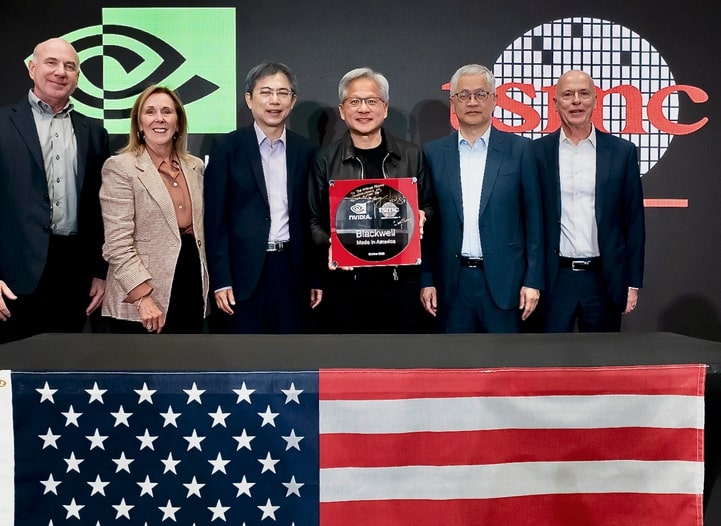
The semiconductor industry has long been dominated by Asian markets, but recent developments by Nvidia and TSMC are changing this landscape. With their latest initiative, the production of Blackwell GPU chips in Phoenix marks a burgeoning era for U.S. semiconductor manufacturing. This effort resonates with the broader goal of reducing dependency on foreign-made chips and fortifying the tech supply chain in the United States.
Pioneering New Technologies
Nvidia's venture into American soil for chip manufacturing is not just about producing hardware; it is about innovation. Blackwell GPUs are designed to cater to the ever-increasing demands of high-performance computing, AI, and gaming. As more industries integrate complex computing systems, Nvidia's chips stand to play a crucial role in shaping future technologies. According to tech expert Brian Wang, "The Nvidia Blackwell represents a leap in processing power that will redefine the capabilities of our devices."
"In the semiconductor sector, innovation and manufacturing strength complement each other. Nvidia and TSMC's U.S. collaboration is a testament to the next phase of innovation." – Brian Wang, Futurist Thought Leader
Strategic Partnerships and Collaborative Growth
A pivotal component of this landmark achievement is the collaboration between Nvidia and TSMC. By combining Nvidia's leading-edge tech innovations with TSMC's manufacturing prowess, the duo has positioned themselves to lead the U.S. into a new era of technological sophistication. This partnership is likely to catalyze further collaborations in the U.S., fostering an environment of tech-driven synergy.
- Increased domestic tech capacities
- Reduced dependency on foreign manufacturing
- Promotion of innovation through strategic alliances
The Economic Impact
The implications of this development aren't merely technological; they are economically transformative. The expansion of facilities such as TSMC’s in Phoenix has already created numerous jobs and is expected to attract more tech companies and talent to the region. Furthermore, this achievement positions the U.S. as a pivotal player in the global chip market, potentially leading to increased investment and economic growth.
Potential Challenges and Future Outlook
While the success of manufacturing Nvidia Blackwell GPUS in the U.S. is significant, it brings with it potential challenges, including the need for a skilled workforce and resource allocation. Moving forward, sustaining such growth will require coherent policies, incentives for tech companies, and continued innovation. As the semiconductor market evolves, academia, industry leaders, and government bodies must collaborate to navigate these challenges and seize opportunities for more groundbreaking advancements. For further insights, read the comprehensive analysis on Nextbigfuture.com.
For those interested in exploring more about cutting-edge semiconductor technologies, Brian Wang's blog Nextbigfuture.com provides an extensive range of articles covering everything from futuristic technology to current advancements in science.
