
Brands, Fashion and Extremism: When Clothes Choose Their Wearer
Fashion Meets Politics: A Complex Intersection
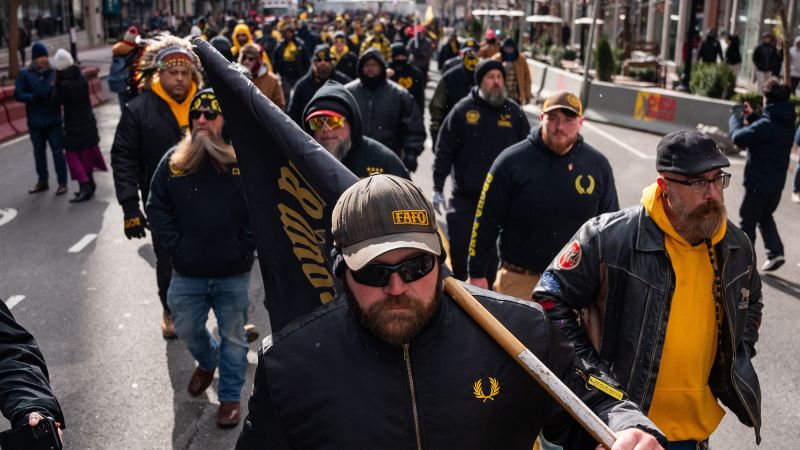
Fashion has always been seen as a medium of self-expression, a way for individuals to showcase their personality and beliefs. However, the dynamic changes drastically when clothing items become symbols in political movements. Recently, during massive right-wing protests in London, many demonstrators were seen donning popular clothing brands, inadvertently dragging these brands into a complex political landscape.
Brands and Their Unchosen Ambassadors
When a brand becomes associated with certain political ideologies, it raises crucial questions about a brand’s identity and public perception. Notably, when extremist groups sport clothing from high-profile brands, it creates a dilemma that designers and marketers may not have prepared for.
"Clothes make the man. Naked people have little or no influence in society." — Mark Twain
Impacts and Challenges for Fashion Brands
Brands often face significant backlash, with consumers using social media platforms to voice their concerns. Consequently, many brands are left grappling with how to respond in a manner that aligns with their corporate values without alienating any segment of their consumer base.
- Maintaining brand identity despite potential negative associations.
- Executing damage control on social media.
- Developing appropriate communication strategies.
Leverage of Public Relations and Influencer Partnerships
To mitigate the effects of such associations, many brands turn to public relations campaigns or partner with influencers who strongly resonate with their brand ethos. Utilizing influencer partnerships not only helps in realigning the brand’s image but also encourages organic interaction with the audience.
For products that align with ethical fashion choices, check out options available on Amazon Ethical Fashion Brands.
Conclusion: Navigating the Future
In an increasingly interconnected and politically aware world, brands must stay vigilant in managing their image. By anticipating challenges and proactively engaging with broader social narratives, they can better navigate the complexities of being involuntary participants in political discourse.
For further insight into the complex relationship between fashion and politics, professionals like Chrissy Rutherford, who frequently comments on the intersectionality of fashion, politics, and identity, may offer valuable perspectives on their Instagram account.
