
Blue Origin Soars High with Rampant BE-4 Manufacturing
Expanding Horizons at Huntsville
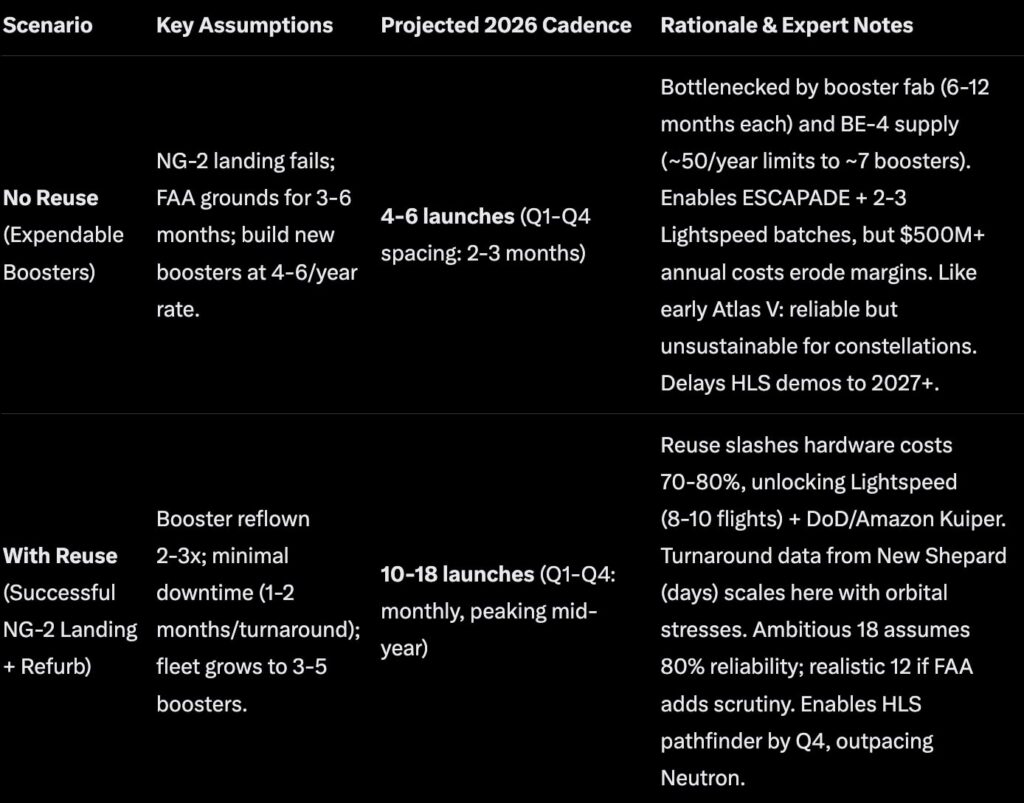
The drive to increase the production of the BE-4 engines comes as part of Blue Origin's mission to advance space exploration with reliability and efficiency. Currently, the facility in Huntsville produces approximately 50 engines per year. However, bold plans are in place to double this output, achieving a remarkable production rate of 100 engines annually.
The Role of BE-4 in New Glenn & Vulcan
The BE-4 engine stands at the heart of Blue Origin's New Glenn rocket, promising longer missions and higher payload capacities. Moreover, United Launch Alliance's Vulcan rocket relies on these engines for their first-stage booster performance, underscoring their critical importance.
"The BE-4 is designed to make space exploration more affordable and accessible, launching a new era of discovery." - Jeff Bezos, Founder of Blue Origin
Innovation in Rocket Engine Technology
The BE-4 engine's significance lies not just in its production numbers but in the innovation it embodies. Developed as a reusable engine, BE-4 is a key player in revolutionizing the economics of space travel, with uses ranging from commercial satellite launches to deep space missions.
- Reusable builds for lower costs and higher efficiency
- Enhanced thrust capabilities
- Environmentally conscious propellant use
Behind the Expansion: Strategic Impetus
This dramatic ramp-up aligns with Blue Origin's broader strategic goals to establish themselves as a leader in the competitive space launch industry. As part of this, the infusion of capital towards technological development and facility expansion signifies the company's long-term vision and commitment.
For more details on Blue Origin's future projects and partnerships, check out their official website or read this Space.com article.
The Competitive Edge
With companies like SpaceX and Boeing pushing the envelope in space technology, Blue Origin's aggressive production strategy may just offer them the competitive edge needed. Their robust engines ensure that the New Glenn and Vulcan projects have a competitive foothold.
Additionally, industry experts suggest that this move may reduce dependencies on foreign technologies, promoting domestic innovation and job creation in the aerospace sector.
For more informed updates on aerospace technologies and strategic expansions, connect with professionals in the field on LinkedIn or follow recognized space journalists on Twitter.
Discover how the future of space exploration is being forged one engine at a time and stay tuned for the next leap into the stars.
