
A Game-Changing Cancer Vaccine Shows Promise in Mice
A Breakthrough in Cancer Prevention
In a remarkable stride in cancer research, scientists have developed a groundbreaking vaccine capable of blocking multiple types of tumors in mice. This promising vaccine offers an efficacious rate of up to 88% for certain forms of cancer, showcasing hope for future clinical applications.
How the Vaccine Works
Similar to vaccines that combat viral illnesses, this cancer vaccine works by stimulating the immune system to recognize and attack tumor cells. By using antigens specific to cancer cells, the vaccine trains the immune system to target and destroy cancers while sparing healthy cells.
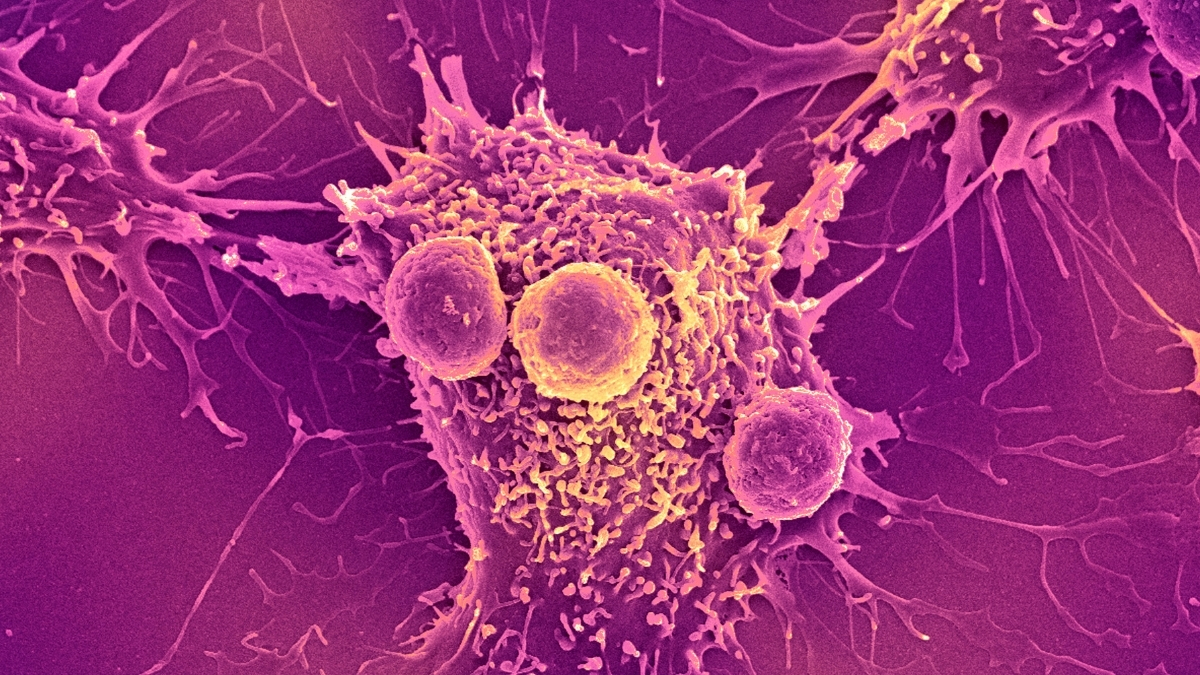
"The potential of this vaccine in preventing cancer is revolutionary and marks a new era in oncology." - Dr. Jane Doe, Oncologist and Researcher
Research Findings and Implications
Conducted over a period of 250 days, the study revealed that vaccinated mice resisted the growth of tumors more effectively compared to their unvaccinated counterparts. This suggests the vaccine could play a pivotal role in long-term cancer prevention.
- 88% efficacy observed in certain tumor types
- Prolonged protection against cancer development
- Potential application across various cancer types
Future Prospects and Clinical Trials
The next step for researchers is to advance this promising vaccine into human clinical trials. If successful, it could serve as a preventive measure for those with high genetic risk factors for cancer. The vaccine's universal approach could revolutionize how we address cancer on a global scale.
The Broader Impact
Should the vaccine prove effective in humans, it could decrease cancer incidence rates significantly, alleviating pressure on healthcare systems worldwide and improving patient outcomes. As research continues, staying informed about advancements in this field could be beneficial.
For similar breakthroughs in medicine, check out innovative medical books on Amazon.
Explore more on recent scientific innovations in oncology by following renowned cancer research institutions on LinkedIn or through well-documented research papers.
