
Unusual Bacterial Outbreak in Chicago Leaves Residents Anxious
The Threat of Leptospirosis: What You Need to Know
Leptospirosis is a bacterial infection spread through water contaminated with animal urine. Often contracted by those wading through contaminated waters, the disease presents symptoms akin to flu, such as fever, headache, and muscle pain. If left untreated, it may lead to severe complications, including kidney damage and meningitis. Learn more about the CDC guidelines on leptospirosis.
Chicago's Growing Concerns
The city has witnessed an alarming increase in cases, prompting health authorities to release alerts. The fatality count has reached at least one, amplifying public anxiety. Local hospitals are on high alert, and citizens are advised to avoid floodwaters, common in the aftermath of heavy rainfall.
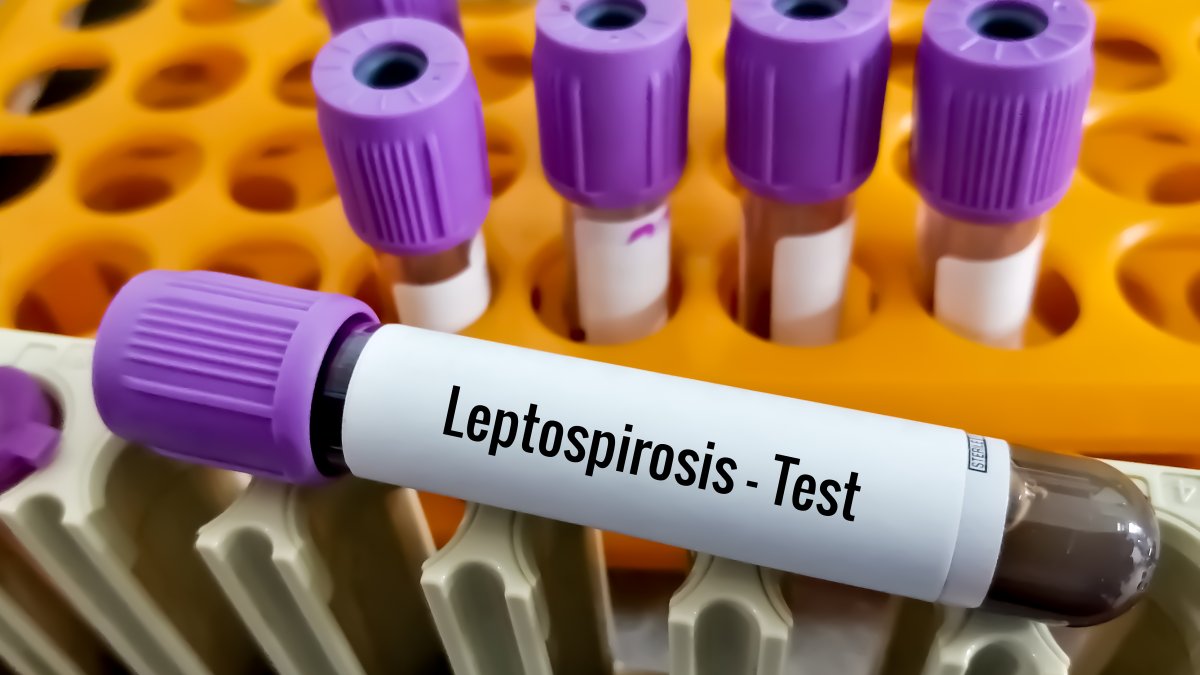
"It's crucial for the public to be aware of the risks and take necessary precautions," says Dr. Laura Knight, a renowned epidemiologist. This sentiment echoes the need for enhanced public awareness and preventive measures.
Prevention and Safety Measures
- Avoid contact with contaminated water and animals known to carry leptospirosis.
- Maintain good hygiene and wear protective clothing when in risky areas.
- Consider vaccination if living in high-risk areas.
Useful resources are available on Amazon for protective apparel: Protective Clothing.
Community Resources and Support
"Community support and prompt medical action can drastically lower the risks associated with leptospirosis," – Dr. Ann Powers, Public Health Expert.
Engage with local health services for information and possible vaccination. Stay updated on community actions by following government announcements on platforms like Twitter and Facebook.
Leptospirosis and Climate Change
Climate change has intensified the challenges posed by infectious diseases like leptospirosis. Higher incidences of rainfall and flooding create conducive conditions for the bacteria. Understanding and adapting to these environmental changes is crucial.
For further insights, consider watching related documentaries on YouTube that delve into the environmental connections.
