
Unlocking the Mystery: How Burned-Out Brain Cells Spark Parkinson’s
The Unveiling Mechanism: From Neurons to Ashes
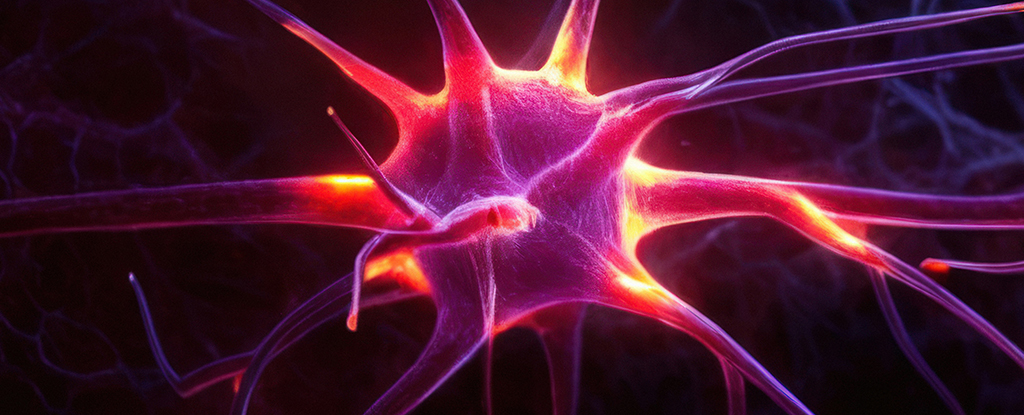
Recent studies suggest that the once evenly burning neurons within our brain start to extinguish, contributing to Parkinson’s disease. When dopamine-producing neurons start to falter, the meticulous symphony of movement orchestrated by our brain starts to unravel, resulting in symptoms like tremors, rigidity, and bradykinesia—an ominous reminder of the brain's fragile complexity.
Neuronal Death and Its Consequences
The death of these neurons does not happen in isolation. It triggers a cascade of events in the brain's deeply interconnected networks. These events open up questions—is this death a symptom or a cause? Or both? Understanding this could pave the way for innovative therapies that target the root cause rather than just managing symptoms.
"The mystery of the brain's inner workings is a testament to nature's complexity and our pursuit to understand it remains ever so critical." - Dr. Jane Goodall
New Research Directions: Promising Avenues
Ongoing research is homing in on the oxidative stress mechanism and mitochondrial dysfunction as pivotal factors in neuron burnout. These elements are being scrutinized under the scientific microscope to unearth actionable insights. This research is available in detailed reports from Nature, delving into these emerging areas.
- Oxidative stress mitigation and its role in slowing down neurodegeneration
- Mitochondrial health maintenance as a preventive strategy
- Early detection through novel biomarkers
Impactful Implications and Future Outlook
The implications of these findings extend beyond basic science to potential therapeutic breakthroughs. Could this mean new life for old neurons? The quest continues, bridging gaps between hope and reality. The potential treatment avenues are capturing interest, such as the development of drugs and implantation devices available on Amazon which promise a window into the future of neurological health.
Engage More: Educate and Empower
For individuals and families navigating Parkinson's, the importance of community and knowledge cannot be overstated. Social media platforms like Facebook and LinkedIn offer groups and forums that serve as information hubs and support systems.
Further, platforms like TED provide talks that inspire and inform, shedding light on personal experiences and cutting-edge research in this dynamic field.
Additional Resources and Extra Insights
For a deeper dive into this bedeviling condition, consider checking out videos on YouTube demonstrating real-world scenarios and stories from those living with Parkinson's.
Curious minds may also explore the collaborative efforts spearheaded by recognized organizations and institutions actively seeking cures and improving quality of life for affected individuals, offering a beacon of hope as humanity races against time to outsmart this ominous adversary.
