
The Cost of Living Crisis: How Grocery Prices Are Affecting Daily Lives
The Surge in Grocery Prices: An Alarming Trend
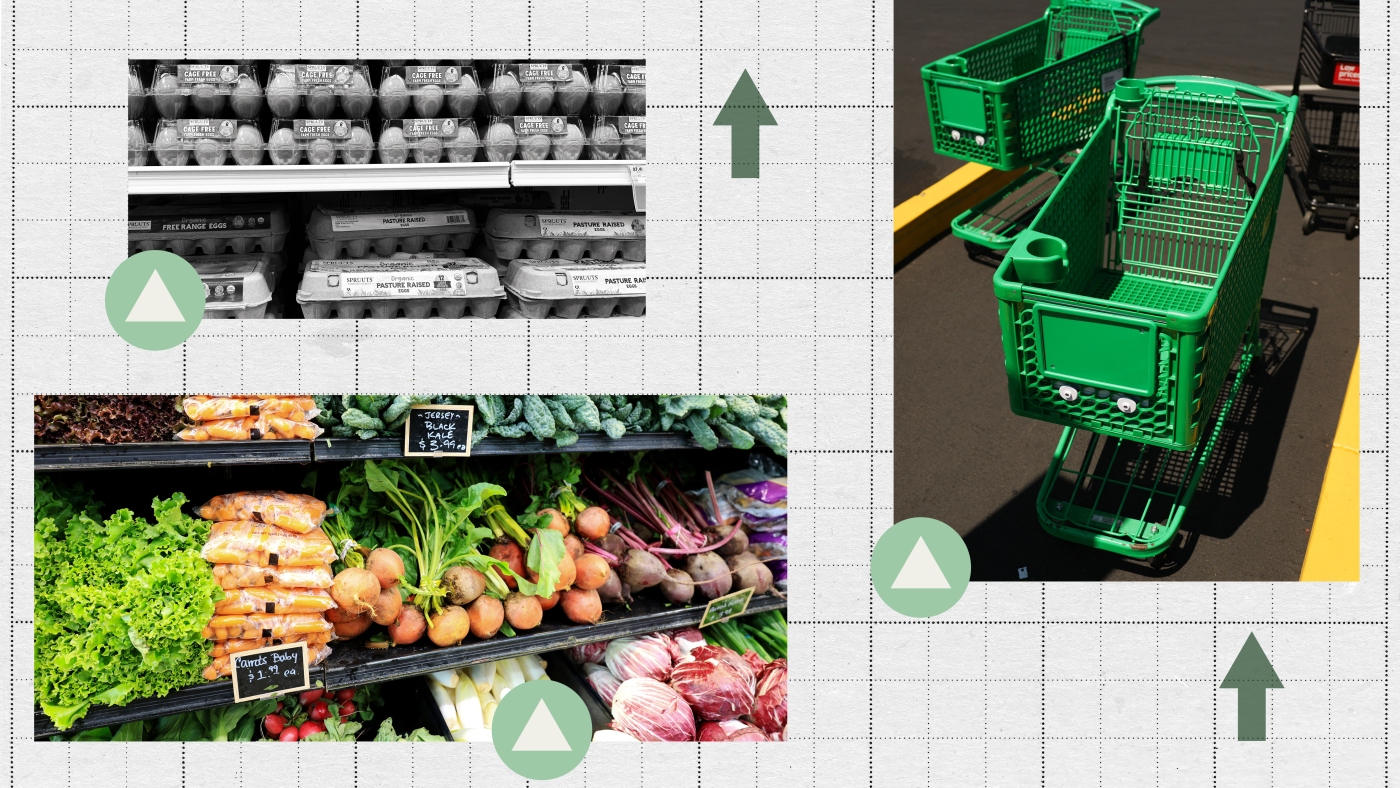
According to recent reports, grocery prices have seen their most significant rise in nearly three years. These increases serve as a daunting reminder of the persistent inflationary pressures affecting consumers worldwide. Tariffs imposed on imported goods, such as bananas and coffee, have exacerbated the situation, compelling already inflation-fatigued shoppers to reconsider their purchasing habits.
Impact on Consumer Spending
The surge in grocery prices has compelled families to adjust their spending habits. Many households are actively seeking budget-friendly alternatives, opting for local produce instead of imported goods while scaling down on non-essential items. Consumer confidence is shaken as many anticipate further increases.
"Inflation takes from the ignorant and gives to the well informed." — Dr. Keith Weiner, Economist
This surge is not only altering the way individuals shop, but also impacts how businesses operate. As businesses face increased costs, they must decide whether to absorb these expenses or pass them on to consumers. This dilemma contributes to further economic strain and uncertainty.
What Drives These Price Increases?
Several factors contribute to this worrisome trend. Beyond tariffs, supply chain disruptions continue to be a critical factor. With the pandemic reshaping global trade, the barriers to import and export have resulted in delayed shipments and increased costs. Additionally, unfavorable weather conditions have affected crop yields, compounding the effect on prices.
- Supply chain disruptions
- Tariffs on imports
- Unfavorable weather impacting crop yields
These elements create a domino effect, influencing prices at every step of the supply chain.
How Consumers Are Adapting
The rise in costs has led to innovative approaches by consumers. Many shoppers are turning to technology, utilizing price comparison apps to find the best deals. Some have embraced meal planning and bulk purchasing to manage their food budgets more effectively.
Exploring local markets and farm-to-table options has grown in popularity, with health-conscious consumers seeking fresh and affordable alternatives. Resources like meal planning books are becoming essential tools in this economic climate.
Resources and Further Reading
For those keen on delving deeper into this subject, NPR's series on the Cost of Living, titled "The Price We Pay," provides an in-depth analysis of how these changes affect everyday life and what steps people are taking to cope.
Engage with informative content on consumer behavior during inflationary periods on NPR's Money section or explore analytical articles discussing economic theories on platforms like LinkedIn.
Understanding the dynamics behind grocery price fluctuations aids consumers and businesses in making informed decisions. It remains critical to monitor these developments closely, as they have lasting implications for the economy and daily lives.
For continued updates and expert insights, be sure to stay tuned to NPR, follow industry leaders, and join economics-focused discussions on social media platforms and professional networks.
