
Remarkable Discovery: Ancient Rainforest on a Treeless Island!
The Falkland Islands: A Historical Paradox
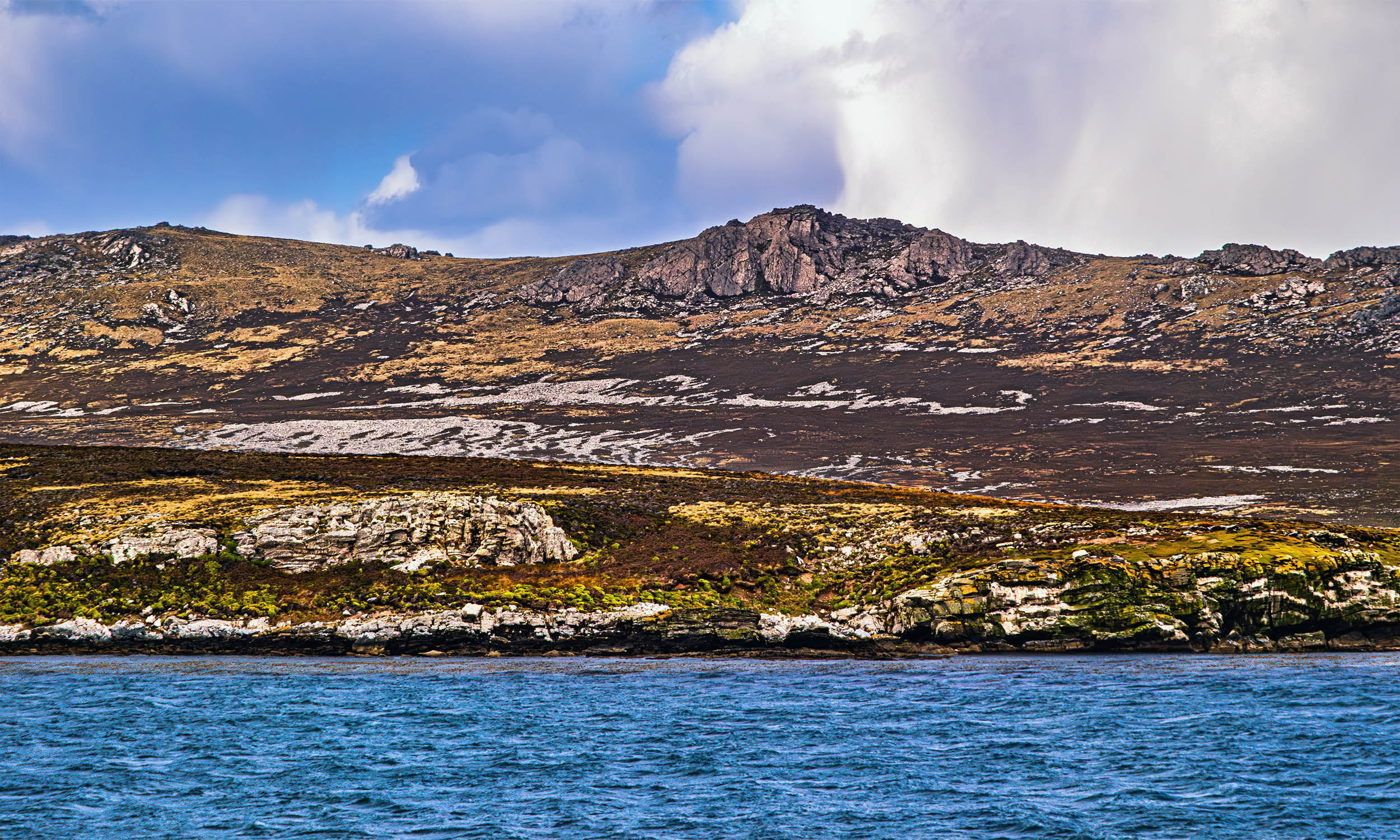
Known today for its vast plains and gusty winds, the Falkland Islands were not always the barren, treeless landscape we see. Recent findings reveal beneath this unyielding surface lay a history enriched with biological abundance. These astonishing revelations were made possible due to an unexpected discovery of ancient pollen deposits in the capital city, Stanley.
Discovering the Past: Unraveling Geological Secrets
The pollen found beneath Stanley provides clues about the land's rich ancient flora. It challenges our understanding and necessitates a reexamination of known history. These grains of pollen are a testament to a once-thriving eco-system.
“In nature, nothing exists alone.” — Rachel Carson
Implications of the Discovery
The implications of this find are vast, sparking discussions among ecologists and historians alike. Scholars are prompted to question how such a transformation occurred and what it says about the Earth's climatic evolution.
- Potential for further archaeological and climatic studies.
- New insights into Earth's historical climatic changes.
- Impacts on biodiversity conservation strategies.
Modern Reflections
This discovery inspires modern ecological efforts and informs about adaptation strategies necessary for preserving modern rainforests. Initiatives like Amazon Rainforest Conservation and global climate action hinge on understanding past climates to safeguard future environments.
For A Deeper Dive
Explore more about the Falkland Islands and its mysterious history through reputable sources like the National Geographic and relevant YouTube channels. Follow updates from researchers on LinkedIn and stay informed about geological studies that may uncover further secrets from our Earth's past.
These findings continue to add pages to the chronicles of Earth's history. It unlocks questions about biodiversity shifts and sheds light on the ecological legacy concealed beneath the surface. The Falkland Islands' discovery moves us to rethink our planet's capacity for transformation and resilience.
