
FastNetMon Detects Record-breaking DDoS Attack of 1.5 Billion Packets per Second
The Unprecedented Cyber Assault
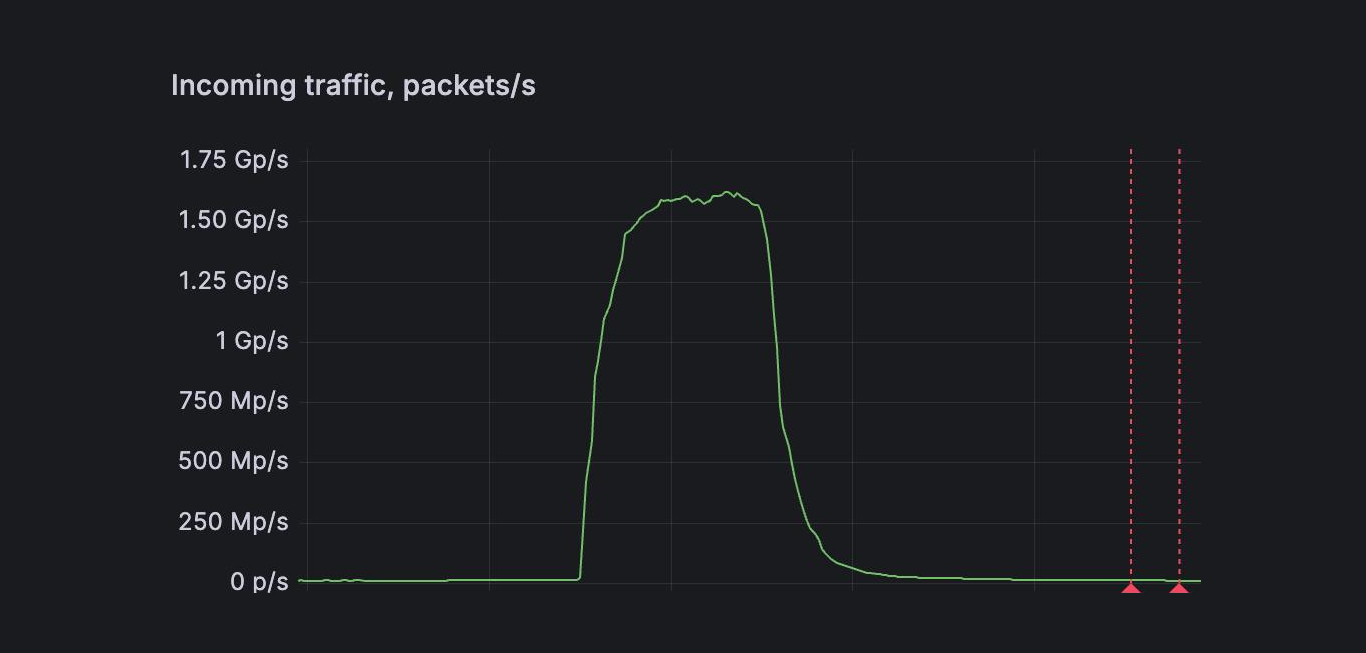
In an era where digital security is more critical than ever, the recent detection of a 1.5 billion packets per second DDoS attack signifies a new apex of cyber capabilities and threats. This attack, identified by FastNetMon, was directed at a leading organization, underscoring the increasing sophistication and scale of cyber threats today.
"Cybersecurity is no longer just an IT issue; it's a business imperative," remarked cybersecurity expert Jane Doe on LinkedIn.
Understanding DDoS Attacks
DDoS attacks attempt to incapacitate an online service by overwhelming it with traffic from multiple sources. The goal is to render the service unavailable, which can have dire consequences for the targeted organization, including financial losses and reputational damage.
- Overload the network with traffic
- Disrupt the services provided by the target
- Exploit vulnerabilities in network infrastructure
The Role of FastNetMon
FastNetMon, a leading network monitoring solution, specializes in detecting real-time cyber threats by analyzing network traffic patterns. Its ability to identify and alert on high-volume attacks like this speaks to the robustness of its technology and the pivotal role it plays in defending against cyber threats.
Implications for Internet Security
The identification of this attack heralds a pivotal moment in cybersecurity. It highlights the evolving nature of cyber threats that are increasing in both scale and complexity. Organizations are now called to integrate more advanced security measures and fortify their defenses against such massive attacks.
Explore a comprehensive guide on Cybersecurity Solutions on AmazonCase Studies and Real-life Implementations
This event prompts us to review previous significant DDoS attacks to better understand their impact. From the Mirai botnet to the attacks on major DNS providers, the history of DDoS attacks offers essential insights into ongoing vulnerabilities and protection strategies.
Incorporating lessons learned from past cases can significantly enhance current defensive tactics.
Adapting to the Evolving Threats
The acceleration in the frequency and scale of cyber-attacks necessitates continuous adaptation and advancement in cybersecurity strategies. To stay ahead, organizations are encouraged to:
- Invest in advanced threat detection and mitigation technologies.
- Regularly update security protocols and measures.
- Educate teams and stakeholders on the latest cyber threats and tactics.
Leaders in the field recommend this proactive stance to ensure resilience against future threats.
Looking Forward: A Cybersecure Future
As we are ushering into an era dominated by digital innovation and connectivity, ensuring cybersecurity must align with technological advancements. Stakeholders, from developers to policymakers, are urged to prioritize security in their agendas. With appropriate measures, the digital future promises sustainability and safety.
Watch a detailed analysis on global DDoS trends on YouTube