
Explore the Impact of Trump's H-1B Visa Fee
Understanding the H-1B Visa Fee Hike
The new fee structure imposed by the Trump administration has been met with sharp criticism, especially from tech giants relying on skilled workers from abroad. The $100,000 application fee represents a significant increase from past rates, potentially altering the dynamics of international recruitment.
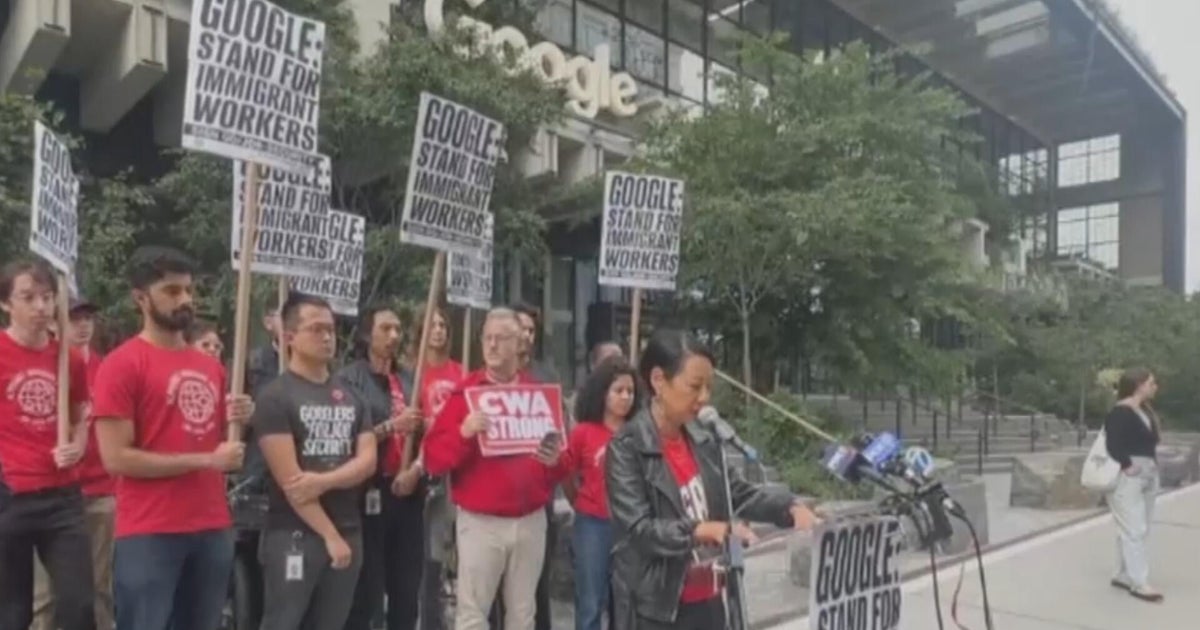
Impact on the U.S. Workforce
For companies such as Google, this move threatens their ability to attract top talent, possibly slowing innovation. A Google spokesperson was quoted, "The new fee could hinder our global workforce strategy and limit our ability to bring diverse perspectives."
"America's edge in innovation is at risk," warned Sundar Pichai, CEO of Alphabet Inc.
Key Arguments Against the Fee
- The cost burden might deter small to mid-sized companies from hiring internationally.
- The fee hike could exacerbate the skills gap in crucial technology sectors.
- This policy might push U.S. companies to establish branches in countries with more favorable immigration policies.
Broader Immigration Policy Implications
The controversy surrounding the new H-1B visa fee is illustrative of broader immigration policy challenges under the Trump administration. As companies and workers navigate this landscape, the potential for significant shifts in U.S. labor markets remains high.
Read more about the immigration implications.What's Next for Tech Companies?
As companies assess the impact of this fee, many are advocating for policy revision and increased dialogue with policymakers. Efforts are also underway to explore alternative recruitment strategies and partnerships with educational institutions.
Discover how tech companies are adapting.In conclusion, the debate over the H-1B visa fee underscores the complex interplay between immigration policies and the tech-driven economy. As the conversation continues, it remains crucial for stakeholders to stay engaged and informed.
