
Chagas Disease: The Silent Threat Emerging in the U.S.
Understanding Chagas Disease
Chagas disease is caused by the Trypanosoma cruzi parasite, transmitted through the bite of the triatomine insect, commonly known as the kissing bug. This disease manifests in stages, with early symptoms including fever, fatigue, and swelling at the infection site, potentially evolving into life-threatening heart and digestive issues.
The Current Situation in the U.S.
Once considered a rarity in the United States, Chagas disease cases are now being increasingly documented. According to recent studies by the CDC, the disease is challenging previous labels of non-endemic status, pushing public health officials to rethink strategies.
"The United States must adapt its public health strategies to address diseases that were once considered foreign," said Dr. Anthony Fauci, emphasizing the need for increased awareness and research into Chagas disease.
Symptoms and Diagnosis
- Acute Phase: Symptoms such as fever and body aches.
- Chronic Phase: Potential heart conditions and intestinal complications.
Early diagnosis is crucial. Blood tests are employed to detect the presence of the parasite, and timely treatment can mitigate the progression of the disease.
Prevention Methods
To reduce risks, it's essential to take preventative measures. Strategies include ensuring proper housing that limits insect entry and using insect repellents. The best insect repellents are available online and can be highly effective in preventing bites.
Efforts in Research and Education
In response to the growing presence of Chagas disease, the CDC and various research organizations are launching initiatives to increase public awareness and develop targeted treatments. Publications such as the Journal of Infectious Diseases provide in-depth insights into current advances in managing this disease.
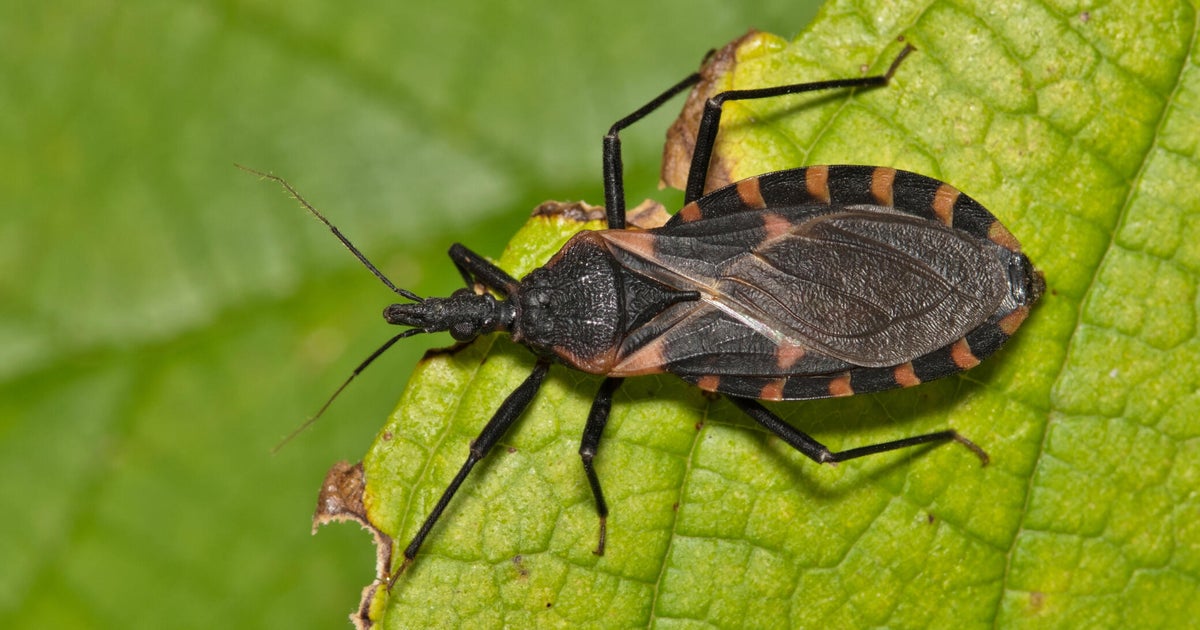
Image: The elusive 'kissing bug,' a symbol of the growing Chagas challenge in the U.S.
