
Ariane Themis Reusable Rocket vs. SpaceX Grasshopper: A Space Race Reimagined
Introduction to Reusability in Rocketry
Reusable rockets stand at the forefront of reducing the costs and environmental impact associated with space travel. The quest for efficient and sustainable space exploration has taken significant strides with companies like SpaceX leading the charge. SpaceX's Grasshopper, tested between 2012 and 2013, set a strong foundation for what is now the hallmark in reusable rocket technology. With Ariane's Themis prototype set for 2025, the race for dominance sees a new contender.
SpaceX Grasshopper: A Pioneer in Reusability
Initiated by SpaceX, the Grasshopper was a crucial technology demonstrator that showcased the possibilities of vertical takeoff and landing (VTVL). The program ran a series of successful tests that eventually catapulted into the development of the Falcon 9’s reusable capability. This marked a significant shift in how the industry viewed cost management and efficiency in launching payloads into space.
"We are at a pivotal moment where access to space must be contemplated in terms of sustainability and innovation." – Elon Musk
Themis Prototype: Europe’s Answer to Reusability
With the introduction of the Themis 2025 prototype, ArianeGroup aims to forge a path similar to that of SpaceX. The European aerospace giant has announced ambitious plans to develop a reusable rocket system that can compete with SpaceX's technology. However, with the clock ticking, can the Themis grant Ariane a competitive edge?
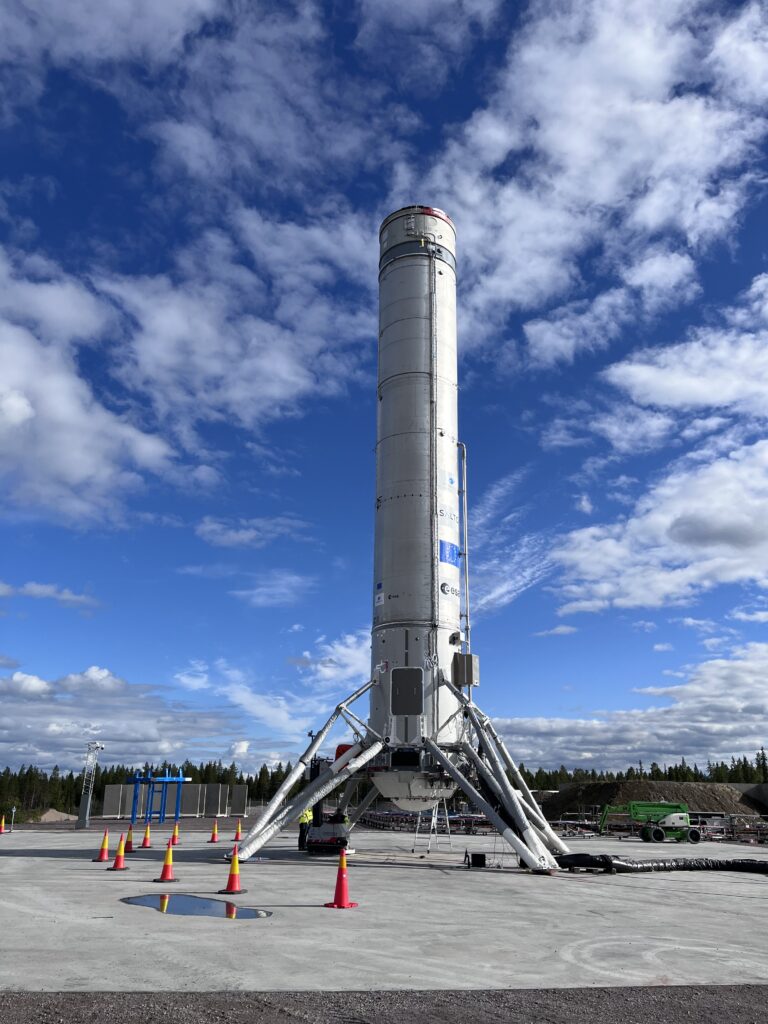
The Themis program seeks to mitigate Europe's dependence on single-use technologies, focusing on a sustainable and cost-effective approach by reducing the turnaround time for launches. ArianeGroup's venture stands out as a potentially transformative milestone in Europe's aerospace landscape.
Comparative Analysis: Ariane vs. SpaceX
- Timeline: SpaceX's Grasshopper tests (2012–2013) contrasted with Themis's anticipated tests in 2025.
- Technological Advancement: While SpaceX has had over a decade of operational launches, Ariane is only beginning its reusable rocket journey.
- Market Dynamics: SpaceX has already captured significant market share, whereas Ariane aims to bring European resilience into the competition.
Future Prospects: What Lies Ahead?
As Ariane attempts to condense years of research and development, its success will hinge on mastering reusability's intricate mechanics and gaining market trust. SpaceX, on the other hand, continues to evolve with commitments towards Mars missions and the Starship project. The industry watches keenly; will Ariane’s entry into reusability lead to a new space race?
Explore More on This Topic
For more detailed insights, you may consider Rocket Science: The Evolution of Space Travel. For thought-provoking discussions, check out this YouTube video on SpaceX's innovative journey. Join conversations with experts on LinkedIn to stay updated on the latest advancements.
As Ariane and SpaceX accelerate their advancements, enthusiasts and industry leaders must remain vigilant and inspirational as we welcome new frontiers in space exploration. With nations and private entities eyeing the stars, the quest for sustainable and reusable technology not only shapes the way we perceive space travel but also underlines humanity's relentless drive for progress.
