
Wendy Williams' Health Revelations Spark Discussions
Understanding Wendy Williams' Diagnosis and Its Implications
With a career spanning decades, Wendy Williams has been a staple in entertainment. Her diagnosis of frontotemporal dementia and aphasia presents not only a personal battle but provides public awareness on these conditions. Frontotemporal dementia is an uncommon brain disorder that affects brain regions associated with personality, behavior, and speech. On the other hand, aphasia affects a person’s ability to communicate. This development raises questions about her fiercely debated guardianship status.
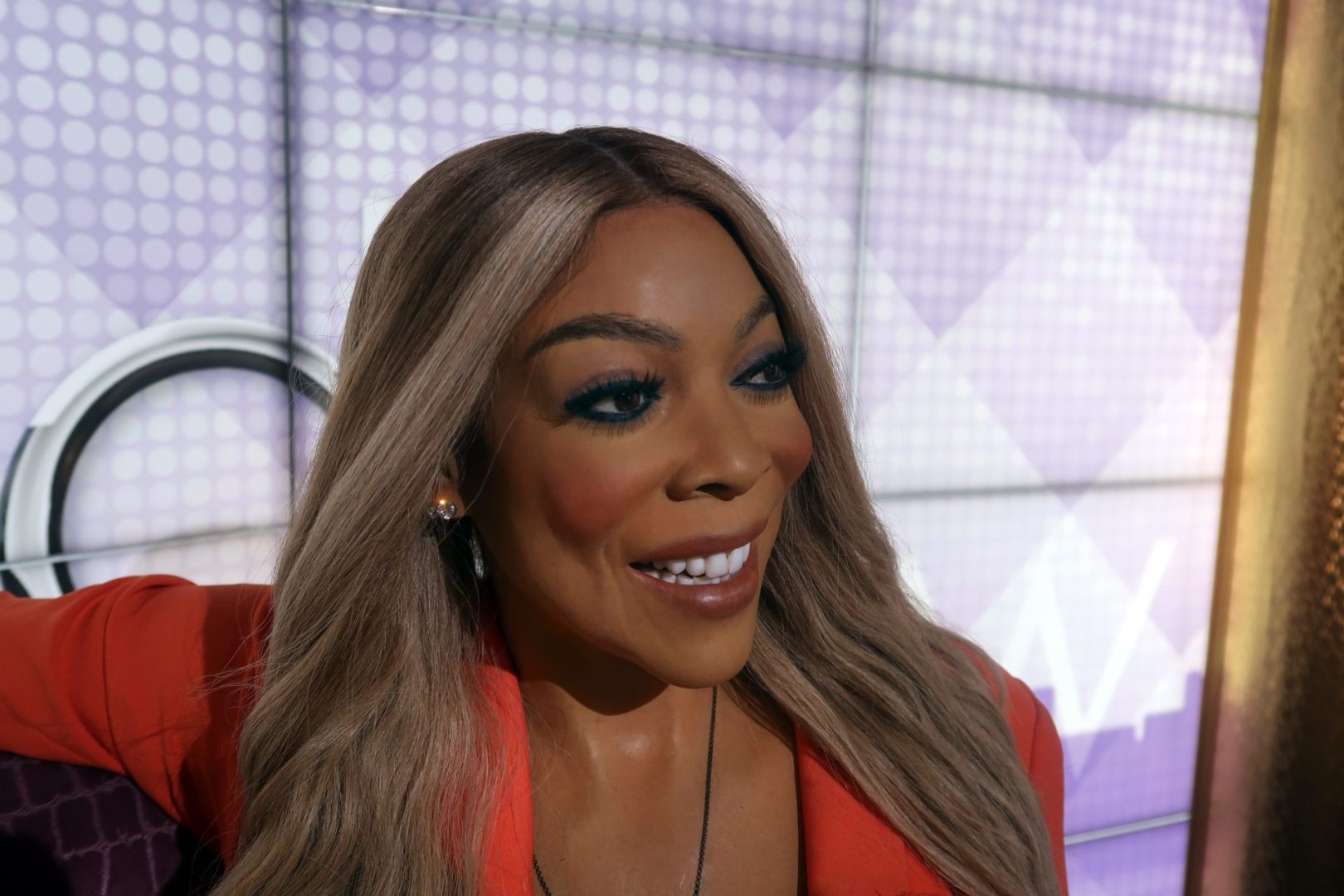
The Guardianship Debate
Wendy's health assessments have fueled debates regarding her guardianship. The legal oversight involved in her care remains controversial amidst familial disputes. Frontotemporal dementia frequently requires decision-making assistance, which has its own set of legal implications.
"Navigating neurological conditions is complex and demands a multifaceted approach," says a renowned neurologist.
It is crucial that family and legal advisors understand both her medical conditions and the intricacies of these legal obligations.
Impact on Entertainment Industry and Fans
The reverberations of Williams' diagnosis are felt in the entertainment industry and among her fans. The icon's absence from screens has left a void that remains unfilled. As discussions about her condition gain traction, fans rally for her well-being and more awareness on neurological care.
- Increased awareness for frontotemporal dementia and aphasia
- Public support mechanisms for affected families
- Influence on entertainment programming
Educational and Support Resources
Those looking to learn about these conditions can access various resources. The Alzheimer's Association offers a comprehensive guide on frontotemporal dementia, while the American Speech-Language-Hearing Association provides insights on managing aphasia.
Call to Action for Community Support
Wendy's case highlights the importance of community and family support. Engagement on social media platforms filled with well-wishes and shared experiences plays a pivotal role. Readers are encouraged to contribute to discussions or support via social media channels like Twitter and Facebook.
Royalty-Free Image Resources
For those interested in iconic media moments or sharing supportive messages, consider platforms like Pexels or Unsplash for high-quality, royalty-free images.
Additional Insights and Developments
For more insights on Wendy Williams' journey and her ongoing legal battles, follow detailed analyses on professional media platforms like LinkedIn and The New York Times. Stay informed on medical research progress and upcoming treatments for neurological disorders to contribute positively to affected communities.
