
Unlocking Hidden Superpowers in Our DNA: A Dive into Human Hibernation Genes
Understanding the Genes of Hibernation
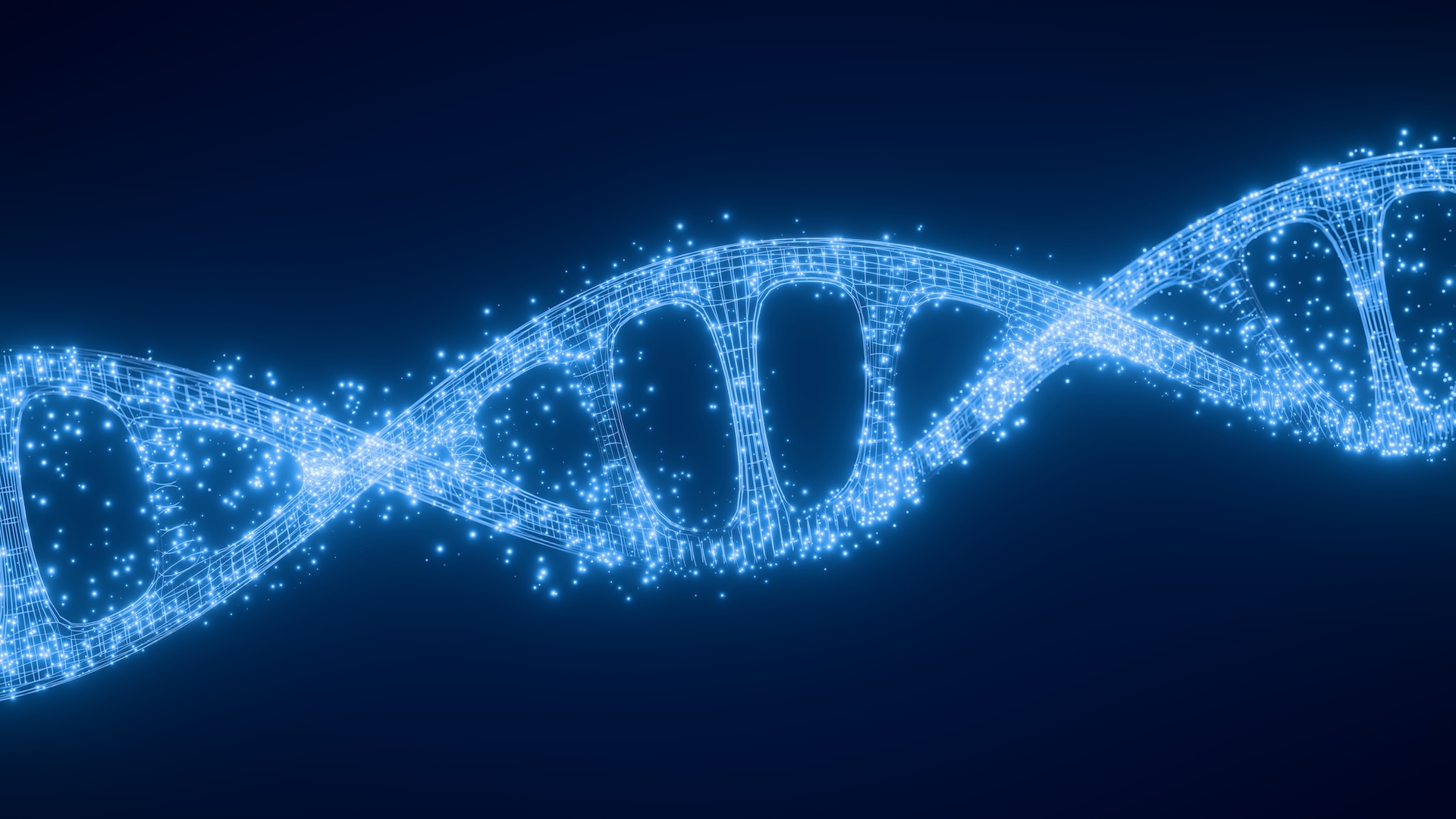
Hibernation in mammals involves a radical shift in metabolism, facilitated by a set of specialized genes. These genes enable the animal to conserve energy by markedly reducing body temperature and metabolic rate. Interestingly, scientists have pinpointed these regulators as not exclusive to hibernators. Surprisingly, humans also carry these genetic markers, raising fascinating questions about their evolutionary legacy and potential applications in medicine and space exploration.
Potential Human Benefits
Consider the application of hibernation principles in human medicine. Imagine a future where trauma patients could go into a medically induced 'hibernation' to stabilize conditions, or astronauts could use this genetic ability for long-duration space travel. Like a latent superpower waiting to be harnessed, our DNA could hold secrets to unlocking extended survival under adverse conditions.
- Improved healing and recovery rates.
- Enhanced longevity and life extension.
- Solutions for chronic energy expenditure disorders.
"The greatest medicine is the teaching of the body to heal itself." — Hippocrates
The Evolutionary Puzzle
The presence of these hibernation genes in humans is an intriguing mystery. These genes likely trace back to ancient evolutionary ancestors. They may have played a crucial role in survival during periods of scarce resources. This genetic breadcrumb offers insights into how our ancestors adapted to withstand the extremities of their environments, potentially leading to the robust species we are today.
Technological Integration
Researchers are exploring how these genes can be integrated into technologies that may one day allow humans to safely enter suspended animation. This innovation could revolutionize how we approach critical care in hospitals or design future spacecraft. It's an exciting frontier where biology meets technology, offering the potential for groundbreaking advancements.
If this topic fascinates you, check out books on hibernation on Amazon to explore various perspectives on this intriguing subject.
Future Research Directions
The future of this research is promising yet challenged by complexities. Scientists are keen on devising methods to activate these genes effectively. Existing studies suggest potential but require more in-depth exploration to bridge the gap between theory and application. As scientists continue to finesse these efforts, this field could usher in a new era of personalized, gene-based therapies.
For professional insights, consider connecting with experts on LinkedIn who specialize in genetic research and metabolic science.
Additional Considerations
Besides direct applications, understanding these genes could offer broader insights into human health and performance. They may help unravel other mysteries, such as how to combat fatigue, manage weight more effectively, or even improve mental resilience.
Stay updated with the latest scientific explorations by following relevant channels and pages on Twitter and other social media platforms. You might discover fascinating discussions and emerging theories that could change how we perceive the limits of human capability.
