
"Trump's Surprising Shift on Marijuana"
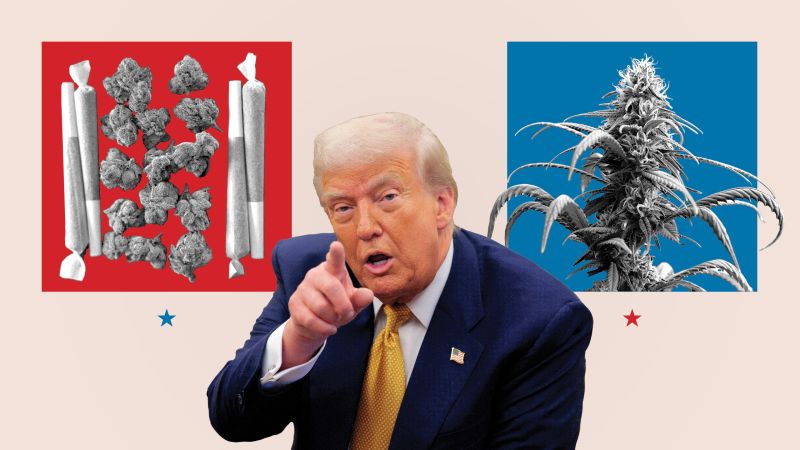
President Donald Trump, a figure known for his unconventional approaches, is reportedly considering reclassifying marijuana to a less dangerous category. This potential policy shift could mark a significant turning point in U.S. drug legislation, deeply affecting both political landscapes and public health sectors. The discussions took place at his private Bedminster, New Jersey club—an environment known for introspective contemplation and candid political discourse.
Exploring the Implications of Reclassification
The notion of reclassifying marijuana has long been a contentious issue. Currently, marijuana is classified as a Schedule I drug, implying it is considered as harmful and addictive as heroin. By potentially lowering its classification, numerous economic, social, and healthcare benefits could arise, including increased tax revenue, reduced incarceration rates, and expanded opportunities for medical research. Many advocates argue this move would align legal perspectives with contemporary scientific understanding.
Quote from renowned businessman Elon Musk:
"It's high time that humanity embraced a more rational approach to cannabis, one that aligns with modern-day insights and knowledge."This sentiment echoes the views of numerous experts and industry leaders who have long campaigned for cannabis reform.
The Political Landscape: Impact and Reactions
- The move could resonate positively with younger, libertarian-leaning voters who have been pushing for drug policy reforms.
- On the flip side, it may face resistance from more conservative factions concerned about potential increases in recreational use.
- State lawmakers, especially those in states that have already legalized marijuana, may view this federal shift as a further validation of their policies.
The potential reclassification also holds the promise of easing legal and logistical challenges for marijuana-related businesses operating in the states where the substance is already legal. This could lead to increased investments and growth within the cannabis industry, benefiting both entrepreneurs and local economies.
Health Sector Perspectives
From a medical standpoint, reclassification could pave the way for more extensive research into the therapeutic potentials of marijuana. Currently, federal restrictions complicate the acquisition of marijuana for scientific study. Lowering its classification could remove these barriers, enabling researchers to explore its benefits in treating chronic pain, epilepsy, PTSD, and more. Such a shift could potentially set a precedent for more nuanced drug policies that prioritize scientific evidence and compassionate care.
As this topic continues to evolve, numerous stakeholders—including policymakers, healthcare professionals, and industry leaders—are poised to influence and respond to the potential changes. Whether this move will translate into electoral advantages for Trump, should he formally announce a policy shift, remains speculative but undoubtedly significant.
To see how marijuana reclassification might affect state laws, you might find this guidebook on the evolving legal landscape insightful. Moreover, discussions around this topic continue to trend on platforms like LinkedIn, where legal analysts and policymakers share their insights. Engaging with articles like "The Impact of Shifts in Marijuana Laws" can provide a deeper understanding of the potential outcomes.
For regular updates and analysis on such pivotal matters, staying tuned to authoritative sources and expert commentary is essential. Follow renowned journalists and lawmakers on their social media handles like Twitter to get nuanced discussions and real-time reactions.
