
The Future of Windows: A Microsoft Exec's Vision for 2030
The Vision for Windows 2030
Microsoft's VP for OS Security recently unveiled a bold vision for Windows in 2030. As technology progresses, Windows will become multimodal, allowing more natural interaction through speech and artificial intelligence. The computers of the future will be capable of seeing, hearing, and understanding our environment, enabling a seamless human-computer interaction.
Multimodal Interaction
"The computer will be able to see what we see, hear what we hear, and we can talk to it" — Microsoft's VP for OS Security.
With advancements in AI, voice commands will take center stage in how we interact with computers. This shift will mark a transition from traditional keyboard and mouse inputs to a more conversational interface, enhancing accessibility and user experience.
The Role of Artificial Intelligence
- Real-time image and speech analysis
- Automated personal assistance
- Predictive capabilities in software operations
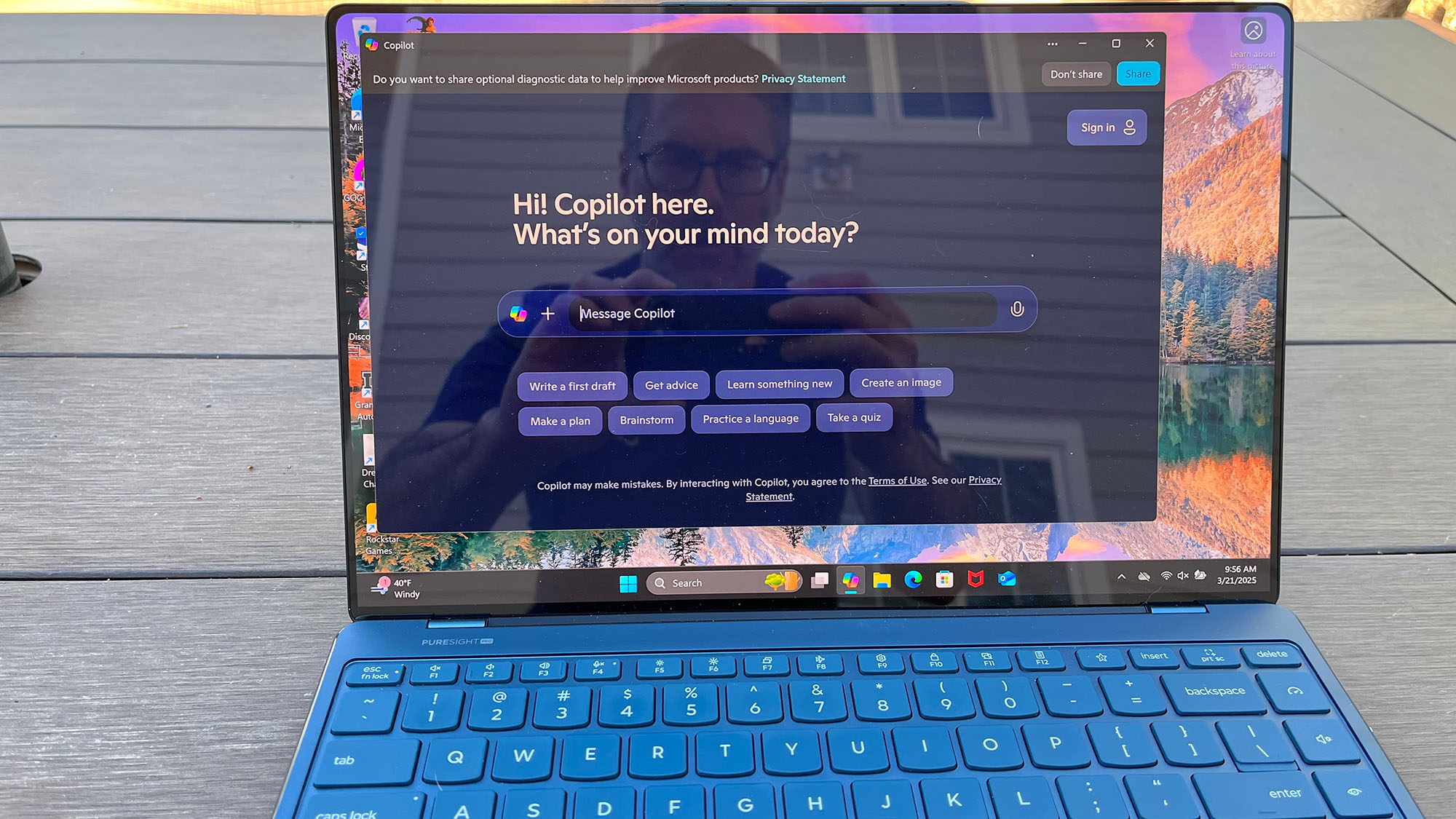
AI will be the powerhouse driving this transformation, providing real-time image and speech analysis. With automated personal assistance becoming commonplace, tasks that once required multiple steps will be reduced to simple voice commands.
Interactive and Intuitive Features
Future iterations of Windows will feature interactive visual aids, expanding accessibility for all users. Intuitive software designed with user-centric algorithms will lead to a more personalized computing experience.
Potential Impact on Industries
This vision for Windows is poised to transform industries, including education, healthcare, and enterprise. With more efficient and intuitive systems, workflows will become more streamlined, saving time and resources.
Explore more about Microsoft’s groundbreaking projects on Microsoft’s Tech Community.
Enhanced Accessibility
The strides made in developing accessible technology over the past decades are monumental. The new Windows is expected to further enhance these features, ensuring all users, regardless of physical ability, can engage seamlessly with their devices.
As we approach 2030, the world of computing looks toward a future where our interactions with technology are as natural as conversing with a friend. This transformation stands to enhance not only our efficiency but also our relationship with technology.
Stay updated with the latest advancements from tech leaders like Microsoft by following their LinkedIn page and dive deeper into the future of technology.
