
SpaceX Pioneers Future Lunar Missions Beyond Artemis 3
The New Era of SpaceX Lunar Missions
SpaceX, the visionary aerospace company led by Elon Musk, has redefined the paradigm of lunar exploration with its advanced spacecraft, the Starship, and Falcon 9 rockets. Departing from NASA's traditional reliance on the Space Launch System (SLS) and Orion capsules, SpaceX proposes a novel method where the Falcon 9 launches the Crew Dragon to low Earth orbit (LEO), initiating an exciting crew transfer to the HLS/Starship for the lunar leg. This groundbreaking initiative not only highlights SpaceX's commitment to innovation but also raises compelling questions about the sustainability and efficacy of lunar missions.
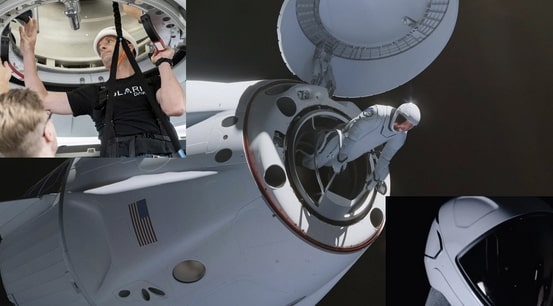
Why Falcon 9 and Crew Dragon?
SpaceX's proposal centers on the utilization of its tested Falcon 9 rockets and Crew Dragon spacecraft. Known for their rapid reusability and operational cost-effectiveness, these components are engineered to optimize the initial phase of the mission. The concept involves reducing dependency on the more cumbersome SLS, thereby redirecting focus and resources towards optimizing mission profiles, ultimately encouraging a broader scope of lunar explorations.
"Life has to be more than just solving problems every day. You need to wake up and be excited about the future." — Elon Musk
The Long-term Vision of Sustainability
The core of SpaceX's strategy is to ensure the long-term sustainability of lunar missions. By innovating reduced launch costs, enhancing vehicle reliability, and advocating for reusable technology, SpaceX aims to create a sustainable model for repeated lunar expeditions. This initiative is not only expected to potentially lower the barrier for future human spaceflight projects but will also increase opportunities for scientific research and commercialization of space.
Key Benefits of SpaceX's Approach
- Cost Efficiency: Lower production and operation costs.
- Resource Optimization: Efficient resource allocation for expanded exploration.
- Sustainability: Focus on reusable spacecraft and a sustainable mission model.
- Technology Advancement: Encourages innovation through cutting-edge engineering.
Related Resources
For those keen on expanding their understanding, explore this detailed resource on SpaceX's Mars objectives or delve into books on aerospace revolution.
What Lies Ahead for SpaceX
As SpaceX continues to work towards its ambitious goals, the company faces significant challenges and opportunities on the horizon. With its eyes set on long-term lunar operations and eventual Martian endeavors, the shift from traditional to advanced methods signifies a transformative approach in aerospace dynamics. Followers of innovation eagerly anticipate how SpaceX will navigate future uncertainties within the cosmic frontier.
