
Prusa CEO Shocks the 3D Printing World: Open Hardware Declares Over!
The End of an Era: Prusa's Radical Shift
The world of desktop 3D printing is reverberating with the recent declaration made by Prusa's CEO that the open hardware movement is officially over. Once a beacon of open-source philosophy, Prusa has now taken a decisive turn towards proprietary security, citing severe competition from government-backed Chinese manufacturers.
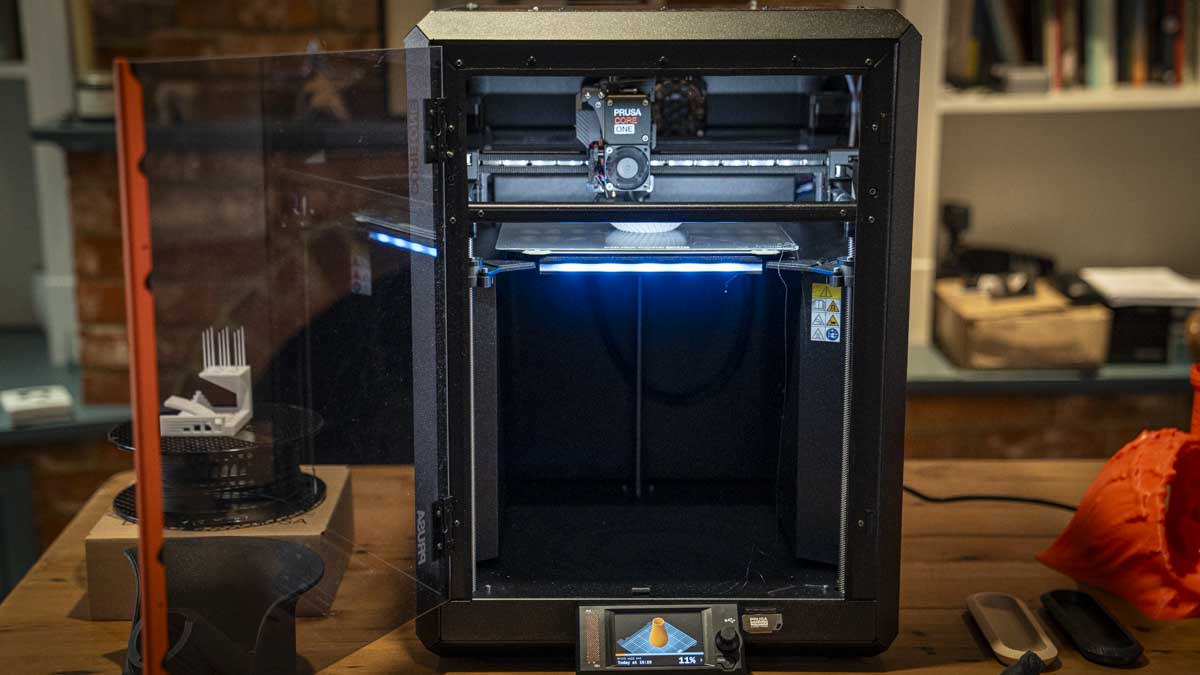
Impacts of State-Backed Competition
Prusa's surprising pivot is largely attributed to the influx of Chinese 3D printer manufacturers who, backed by substantial state support, have managed to undercut costs and flood the market with affordable products. Such a landscape makes it nearly impossible for open-source projects to thrive without risking unsustainable losses.
“Competing in an environment skewed by state-funded capabilities was a battle we could not win without reassessing our strategies,” said Prusa's CEO in an exclusive interview.
Shifting Sands: How Chinese Subsidies Are Reshaping the Market
The international 3D printer market has been radically transformed by Chinese subsidies, creating an uneven battleground where Western companies struggle to keep pace. This strategy isn't just pricing out competitors but also encouraging a pivotal shift toward closed-source models in a bid to protect intellectual property.
Reliance on affordable 3D printing technology is on the rise, with many hobbyists and professionals now turning to these more budget-friendly alternatives.
The Collapse of Open Source: A Bitter Irony
The fall of open hardware within desktop 3D printing marks a significant shift from an era that initially empowered innovation and creativity through shared knowledge. Ironically, the very success and collaboration that founded its ideals have provided the means for larger entities to dominate through aggressive market strategies.
- Increase in patent filings for protected designs
- Closed-control over production methods and technological advancements
- Strategic partnerships and exclusive collaborations
Can the Open Hardware Movement Revitalize?
Despite the grim news, there remains a resilient community committed to salvaging the ideals of open-source 3D printing. Grassroots projects and smaller firms are pooling resources and knowledge, aiming to undercut monopolistic tendencies with innovative solutions.
“We may have lost a battle, but not the war. There’s always room for innovation if we work together,” voiced an optimistic open-source advocate in a recent LinkedIn article.
Additional Insights: Industry Opinions & Future Projections
Industry insiders are torn on whether this marks the culmination of open-source idealism or a necessary evolution within the industry. Some pundits propose collaborations with major players could forge a new path forward.
For an in-depth analysis of how corporate manufacturing strategies are shifting, view this comprehensive YouTube discussion on future printers.
