
"No Pills, No Surgery: The Revolutionary Way to Relieve Arthritis Pain"
The Science Behind Gait Retraining
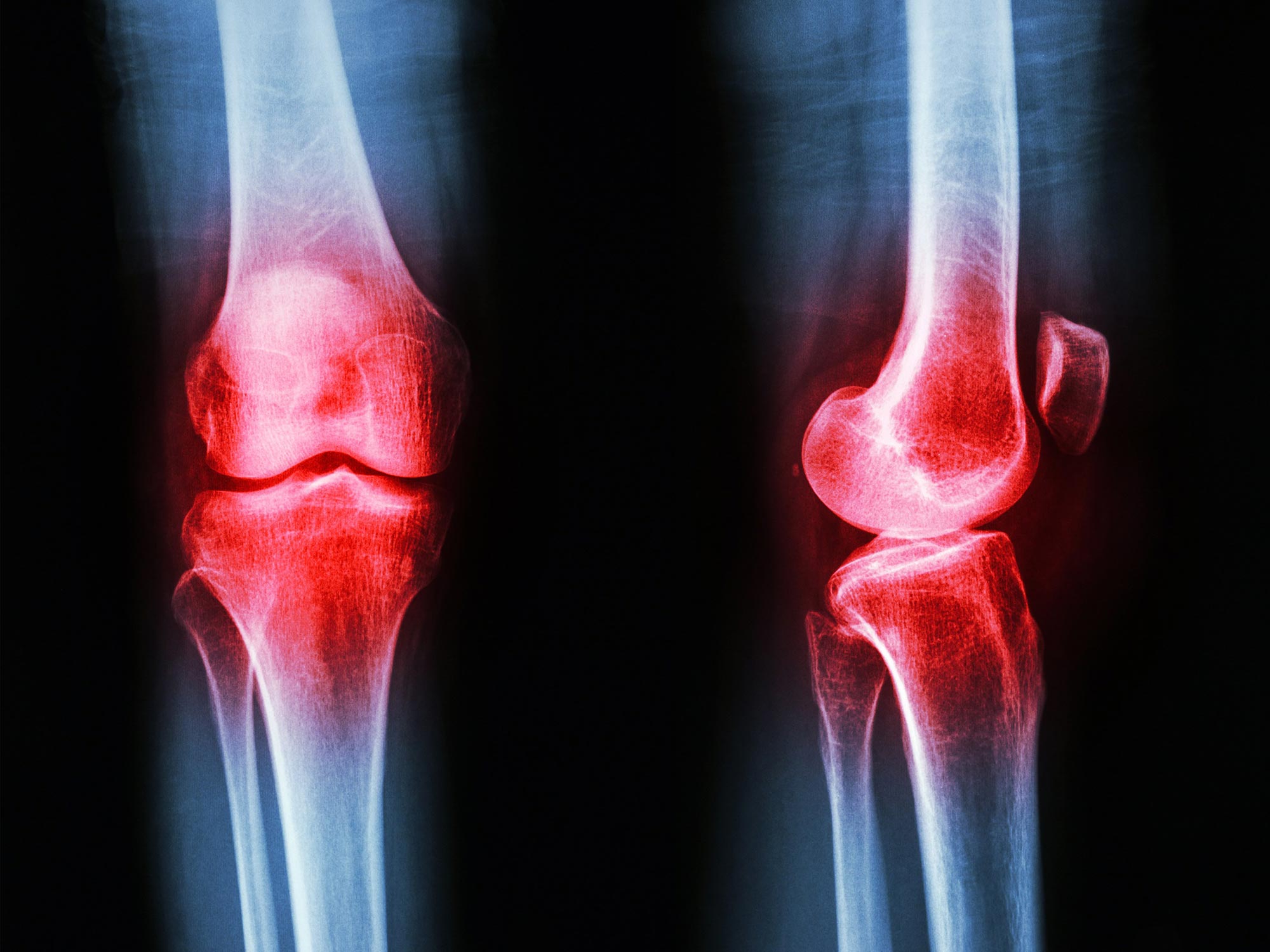
Osteoarthritis (OA), particularly affecting the knees, is a widespread condition that causes debilitating pain and stiffness. The traditional treatment options involve pain medications or surgical procedures, both of which come with side-effects and recovery concerns. The recent study advocates for a less invasive method – adjusting the way one walks.
The Mechanics of Change
The research underscores the role of biomechanics in managing osteoarthritis. By altering specific walking mechanics, patients can significantly reduce the pressure exerted on their knee joints. This shift, known as gait retraining, has shown promise in not only diminishing pain but also slowing the progress of joint degradation.
“The discovery that such a simple change can rival medication is a game changer in managing OA,” says the lead researcher from Utah.
To learn more about the importance of healthy movements, visit Johns Hopkins Medicine's osteoarthritis page.
Guidelines for Following Gait Retraining
- Consult with a physical therapist to assess your current walking pattern.
- Identify areas where adjustment can be beneficial, such as stride length or foot angle.
- Incorporate recommended changes gradually to allow the body to adapt without discomfort.
- Monitor progress and pain levels, adjusting techniques as needed.
For gait correction tools, consider exploring Amazon's selection of knee braces.
Personal Stories: Finding Relief
Many individuals suffering from knee osteoarthritis have reported significant relief after adopting gait retraining techniques. These personal accounts serve as a testament to the method's effectiveness, encouraging more people to investigate this path.
“After years of trying various medications, gait retraining was the turning point in my journey to manage my pain,” shares a patient from the study.
Discover more real-life experiences in this YouTube testimonial video.
Understanding the Broader Implications
The simplicity of gait retraining means it can be accessible to a wide audience worldwide. With minimal risk factors and an easy learning curve, this method can substantially reduce healthcare costs and improve the quality of life for millions globally.
To further explore innovative treatments, check out this research paper on alternative osteoarthritis therapies.
Additional Resources
For more information on osteoarthritis and other non-surgical treatments, consider visiting reputable health information sites. For instance, the Arthritis Foundation provides valuable insights into managing arthritis effectively.
Keeping informed about new research and treatments can empower you to make better health decisions. Follow @DrArthritis123 on Twitter for the latest updates in arthritis research.
