
NASA's New Mitochondria Transplants: A Revolution in Space Medicine and Health
Revolutionizing Space Medicine with Mitochondria Transplants
For decades, NASA has been at the forefront of pioneering human space exploration. Now, they propose a transformative approach to a persisting problem: radiation-induced cell damage in astronauts. The answer might lie in transplanting fresh, undamaged mitochondria, which could unlock new potential in both space missions and earth-bound healthcare.
"The mitochondria is the powerhouse of the cell," a fundamental principle often stated by cell biologists. NASA plans to leverage this concept, transforming it into a beacon of hope for extended health spans across humanity.
Understanding the Role of Mitochondria in Cell Health
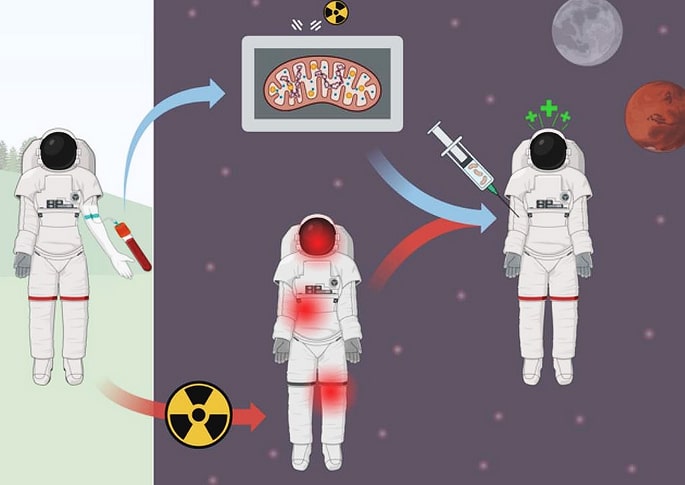
Mitochondria are critical organelles often described as the power generators of the cell, converting oxygen and nutrients into energy. In astronauts, high radiation levels can impair these functions, threatening cell survival and overall health. NASA's innovative approach suggests that introducing new, undamaged mitochondria could restore cell vitality.
Potential Earthly Benefits of Mitochondria Transplants
The concept of mitochondria transplants isn't just for space. On Earth, this breakthrough could revolutionize treatments for diseases related to aging, such as muscular degeneration, by restoring energy metabolism in cells. Imagine a world where human healthspan could be extended by ten years, thanks to preserved cellular function.
Additional resources on cellular aging and mitochondria are available for those keen on understanding the wider implications.
How NASA Plans to Implement This Technology
NASA proposes using nano-sized transporters to effectively deliver potent mitochondria directly into radiation-damaged cells. This futuristic concept would employ precision technology akin to microscopic surgical transplants, anchoring new mitochondria into cells seamlessly.
- Harvesting undamaged mitochondria from suitable donor cells.
- Using nano-carriers for transport.
- Targeting and incorporation into affected cells.
The Future: A New Frontier for Medicine
The successful implementation of mitochondria transplants in space will serve as a proof of concept, pushing the boundaries of medical science. The implications could span far beyond NASA, positioning this method as a cornerstone in the future of medicine. Further exploration can be found in Nature's detailed publication on mitochondria-targeted therapies.
Renowned futurist @ElonMusk has often emphasized the necessity of innovation beyond traditional avenues, and this venture aligns with that vision.
Additional Considerations for Humanity
While the scientific community observes NASA's endeavor, this bold step could trigger wider research interests, accelerating developments in related fields such as genetic engineering and regenerative medicine. As we look to the stars for inspiration, our health right here on Earth stands to gain significantly.
