
Missouri Resident Battles Brain-Eating Amoeba Post Lake of the Ozarks Visit
The Harrowing Reality of Brain-Eating Amoeba
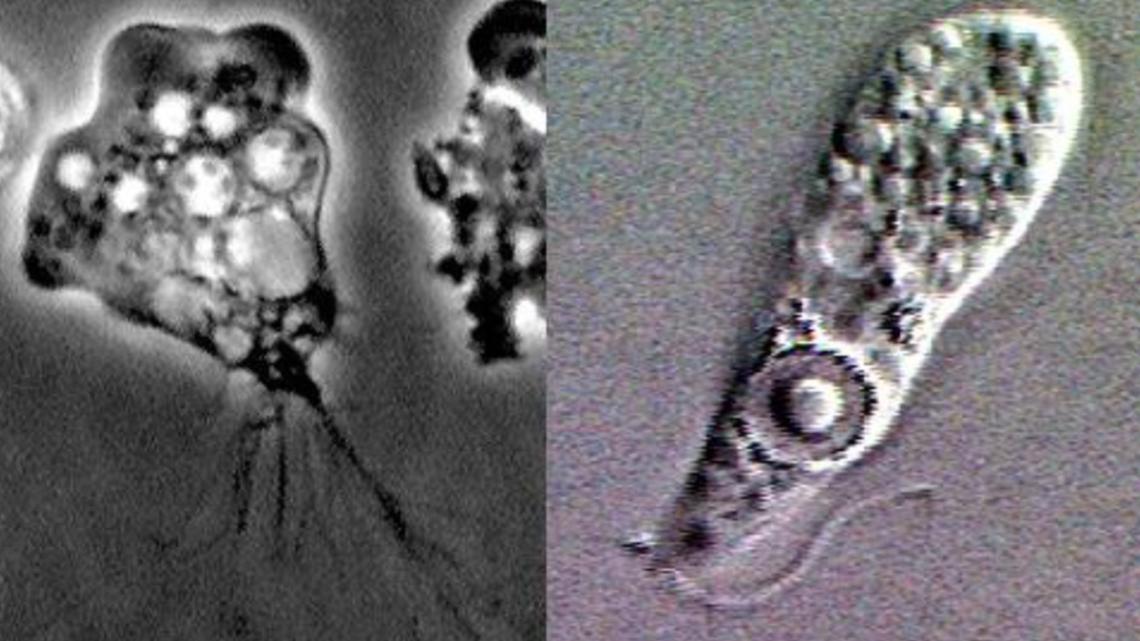
Recent news has shaken the people of Missouri and beyond, reporting a rare case of brain-eating amoeba affecting a local resident. Named Naegleria fowleri, this deadly microorganism thrives in warm freshwater environments and can lead to fatal brain infections. Although historically rare in the United States, climate change is speculated to increase its habitat range, posing a potential public health threat.
Impact of Climate Change on Rare Infections
Experts suggest that rising temperatures and increased flooding due to climate change may create more conducive conditions for the spread of Naegleria fowleri. An overview by CDC explains how this parasite enters the human body through the nose and how its prevalence might be affected by environmental changes.
"We need to be aware of how climate change can impact our health beyond what is immediately visible," commented Dr. Emily Robertson, a climate impact researcher.
Prevention Techniques for Safe Water Activities
To ensure safety while enjoying water activities, consider these precautions:
- Avoid getting water up your nose in warm freshwater during activities like swimming or diving.
- Be cautious during peak warm months, typically July to September.
- Utilize nose clips or keep your head above water in natural freshwater sources.
For more information on water safety and Naegleria fowleri, the Environmental Protection Agency provides a comprehensive guideline.
How to Stay Informed
Staying informed about the intersections of public health and climate change can lead to better personal and community health decisions. Follow updates on trusted platforms such as the World Health Organization and New York Times Environment Section for the latest research and guidance.
Additional Resources
Educating yourself on environmental changes' effects on health is increasingly crucial. Consider reading well-reviewed pieces such as Climate Change and the Health of Nations, detailing the intricate links between environmental shifts and health epidemics.
