
Journey Back in Time: Building a Floppy Disk from Scratch
The Legacy of the Floppy Disk
Introduced in the 1970s, floppy disks quickly became a staple in data storage, lasting well into the early 2000s. Their portability and functionality were unmatched at the time. Despite their obsolescence in 2010, floppy disks have remained a topic of interest for tech enthusiasts and retro computing fans.
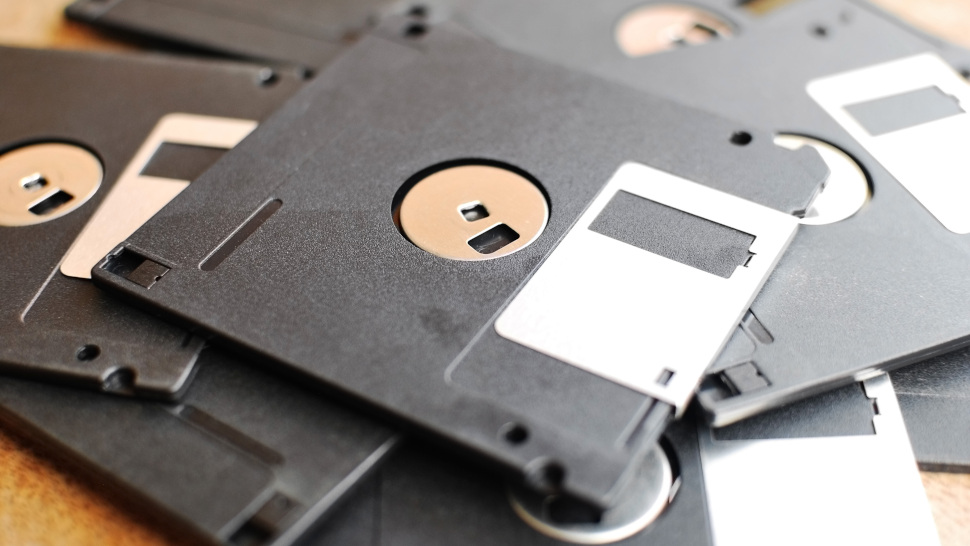
"Technology connects us to the past, but each innovation builds the excitement of the new," once said by Steve Jobs, highlighting the ongoing evolution in data storage.
The YouTuber's Ambitious Project
The YouTuber known as Polymatt took on the challenge to build his own floppy disk from scratch. Utilizing CNC machining tools and PET film, he meticulously crafted each component, combining the nostalgic value of floppy disks with cutting-edge technology to recreate a functional magnetic storage device.
- Attention to detail in reconstructing the disk's components
- Using CNC machining for precision
- Adapting PET film for magnetic storage layers
This journey was not just a technical project but also a nostalgic trip back to an era fondly remembered by many.
Challenges and Discoveries
Throughout the project, Polymatt faced multiple challenges. From sourcing materials that were compatible with modern methods to fine-tuning the CNC machining process, each step was an exploration of both new technology and old-school techniques. Despite the hurdles, the journey offered rewarding insights into the durability and design principles of the original floppy disks.
Buy a vintage floppy disk drive on AmazonWatch Polymatt's full video on YouTube
Why This Matters Today
While floppy disks are no longer in mainstream use, understanding their history and functionality serves as an educational tool. For budding engineers and tech historians, engaging with retro technology encourages innovative thinking and problem-solving skills. Someone like Elon Musk once pointed out, "Looking back is as important as looking forward," emphasizing the significance of historical technological endeavors.
The Future of Retro Technology Projects
In a rapidly evolving tech landscape, projects like Polymatt's bring relevance to classic technologies, inviting a new generation to explore, learn, and appreciate the foundational innovations that have shaped today's digital age. His project inspires not just nostalgia but creativity and technical skill.
Whether you are a tech aficionado or simply curious, these retro projects open a window to understanding the development cycles of computer technology. As we advance toward newer horizons, preserving this knowledge allows for a richer, more connected technological future.
