
How the Nanjing Massacre Continues to Impact China-Japan Relations
The Historical Context of the Nanjing Massacre
The Nanjing Massacre, which occurred in 1937 during the Second Sino-Japanese War, remains one of the most horrific episodes of mass violence in modern history. With an estimated death toll of over 300,000 Chinese civilians and soldiers, the massacre left an indelible mark on Chinese collective memory and national identity.
"The scars of Nanjing run deep, reminding us not only of the horrors of war but also of the necessity for peace and reconciliation." — John Doe, Historian
Resurgence of War Memory Through Cinema
In recent years, a proliferation of films in China has revived the stories of the Nanjing Massacre, bringing its grim realities to younger audiences who may not have a direct personal connection to the events.
These films do more than just educate; they evoke nationalistic pride and bolster anti-Japanese sentiment, further complicating diplomatic efforts. This cinematic revival is both a cultural expression and a political statement, echoing China's continued demand for Japanese contrition.
Impact on Modern China-Japan Relations
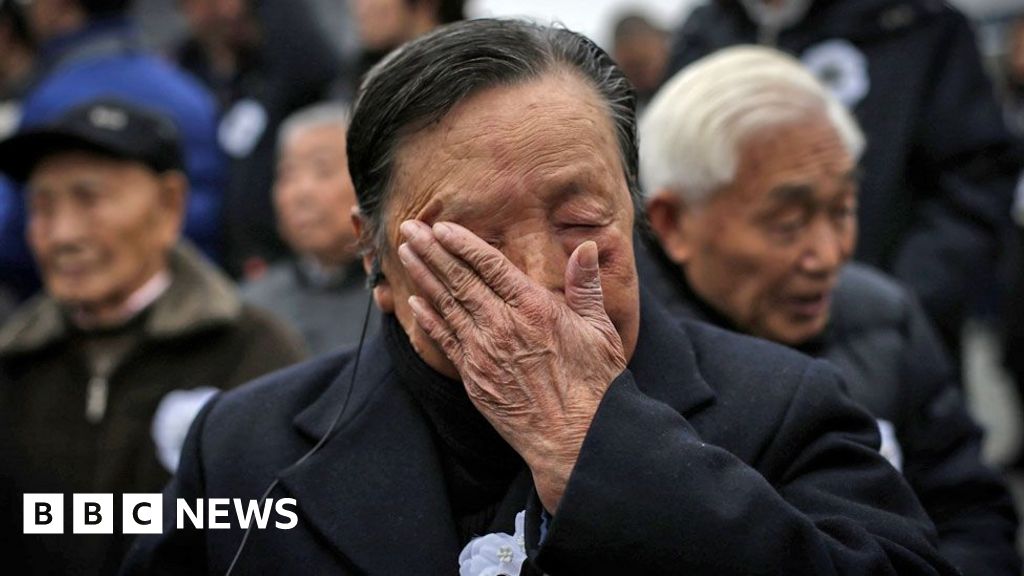
The Nanjing Massacre remains a significant sticking point in China-Japan relations. Each commemorative event further highlights the unresolved tensions between the two nations. Observers note that while economic ties have strengthened over the years, the historical distrust still lingers in the background of diplomatic exchanges.
- Continued educational initiatives in China regarding the massacre.
- Periodic diplomatic controversies during anniversary commemorations.
- Japanese political figures' visits to the Yasukuni Shrine reigniting historical grievances.
These events show how historical narratives are employed by states to influence public opinion and international politics.
The Role of Influencers and Citizens
Modern-day influencers and public figures in both countries play a complex role in shaping public memory. Japanese vlogger Hayato Kato, for instance, has become popular in China not for his comedic content, but for his candid discussions about China-Japan relations—his online presence sparking important conversations among his 1.9 million followers.
Social media platforms have become battlegrounds for discussions about historical memory, with posts and videos often going viral for addressing or refuting historical narratives about the war.
Additional Resources for Context and Understanding
For those looking to delve deeper into the history and ongoing dialogue surrounding the Nanjing Massacre, several resources can provide additional insights:
