
Harnessing the Sun: Quasites and the Future of Space-Based Energy Capture
The Advent of the Quasite
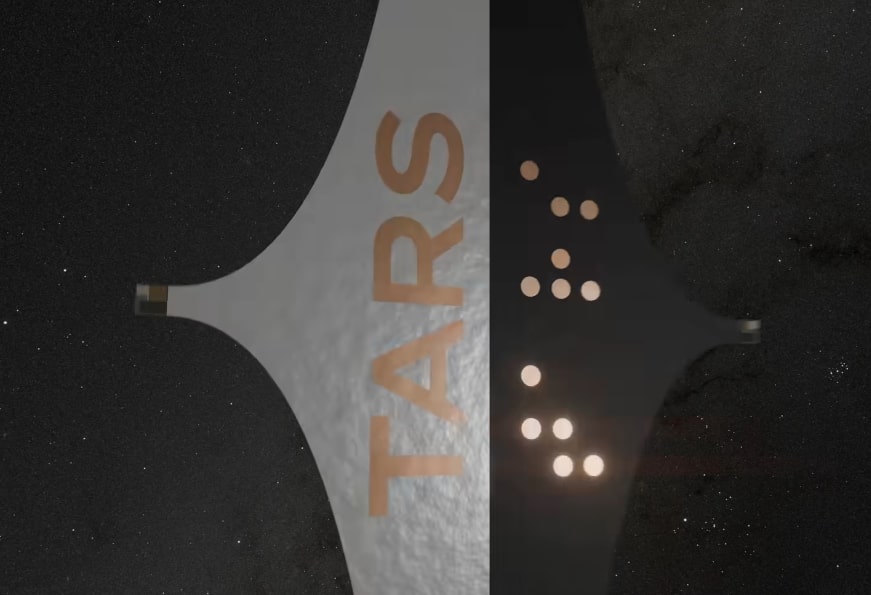
In a groundbreaking stride towards future energy solutions, the Cool Worlds Lab, headed by renowned astronomer David Kipping, presents the quasite. This conceptual model involves space-based satellites designed to convert solar radiation into mechanical energy, potentially transforming our energy production landscape. With applications ranging from powering rotating dynamos to fuel catapult mechanisms, quasites promise a sustainable answer to energy demands.
Understanding Solar Radiation Conversion
Solar radiation serves as the ultimate renewable resource, naturally abundant and readily available in space. Quasites harness this energy through advanced photovoltaic and thermal systems, converting it into mechanical energy necessary for operations like running dynamo systems and aiding in propulsion mechanisms.
"The approach of using quasites can leverage the infinite potential of solar energy to revolutionize how we perceive energy consumption from space." - David Kipping
Potential Applications and Benefits
- Reduces dependence on traditional energy resources.
- Offers scalable energy solutions for long-term space missions.
- Enables the development of space-based infrastructures.
- Decreases carbon footprint by embracing clean energy.
- Facilitates continuous energy supply unaffected by Earth-based obstacles.
These benefits underscore the potential of quasite technology to not only cater to today's energy demands but to set the foundation for humanity's future endeavors in space exploration.
Implementing Quasite Technology
The practical implementation of quasite technology is underway, with ongoing research aimed at refining its efficiency and functionality. Leading institutes and research labs are collaborating to address challenges related to materials, energy conversion rates, and satellite sustainability.
For example, the NASA Artemis program is investigating complementary technologies that could potentially integrate with quasites for future missions.
Challenges and Future Prospects
While the concept of quasites is promising, challenges such as developing cost-effective materials and ensuring efficient energy conversion rates persist. However, investment in research and technological advancements continues to move the needle closer to feasible deployment.
With potential partnerships and funding opportunities growing, notably with stakeholders in the green energy sector, the commercialization and widespread adoption of quasites may not be far-fetched. Keep an eye on upcoming LinkedIn discussions for fresh insights and developments.
As the world stands on the cusp of a new era of sustainable energy derived from space, the Cool Worlds' quasite projects not only promise a revolutionary shift in terms of technological achievements but also herald a significant leap towards a greener planet. Stay tuned for more updates and insights from NextBigFuture.com.
