
Harnessing Innovative Technologies: The Future of Solar TARS and Beyond
The Paradigm Shift from Passive Solar TARS
The realm of solar technology is undergoing a significant transition. While passive Solar TARS (Tethered Aerial Rotor Systems) have been a staple in the renewable energy sector, their inefficiency often undermines their feasibility. This inefficiency starkly contrasts with emerging technologies like PV (Photovoltaic) and Magnetic TARS, which boast considerably higher energy efficiency.
Understanding Photovoltaic (PV) TARS
PV TARS are an innovative breakthrough, incorporating solar panels within their design to enhance energy harvesting. They effectively turn their exposure to sunlight into a dual operational mechanism, simultaneously generating power and maintaining buoyancy. By reducing reliance on external power sources, these systems ensure a significant leap in sustainable energy production.
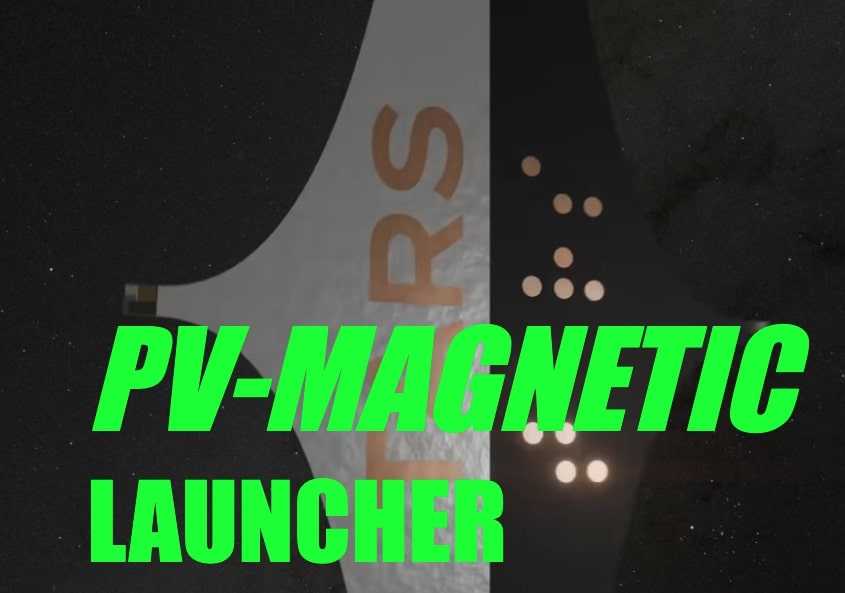
The Role of Magnetic TARS in Energy Efficiency
Magnetic TARS harness sophisticated magnetic technologies that allow for precise station-keeping abilities. A remarkable advantage is their dynamic maintenance capabilities, which enable consistent operation even amidst fluctuating environmental conditions.
"The mission is to accelerate the world's transition to sustainable energy." - Elon Musk
This sentiment echoes the principles behind Magnetic and PV TARS, highlighting sustainability's pivotal role in technological advancement.
Key Benefits of Advanced TARS
- High-efficiency energy generation.
- Improved operational reliability and station-keeping capabilities.
- Cost-effectiveness through reduced reliance on external energy sources.
These benefits not only make PV and Magnetic TARS appealing for installation but also cater to long-term economic and environmental goals.
Integration in Modern Infrastructure
Integrating these advanced systems into existing infrastructure paves the way for cleaner energy that supports various industries. The technology's versatility allows deployment in remote or off-grid areas, enhancing energy accessibility worldwide.
Further Technological Exploration and Resources
To explore more about TARS innovations, [check out this detailed report on Solar Innovations](#). For those interested in diving into a community passionate about technological advancements, consider following visionary accounts like [Elon Musk on Twitter](https://twitter.com/elonmusk).
Moreover, if you're eager to implement renewable solutions, consider products like the [Renogy Solar Panels on Amazon](https://www.amazon.com/example-product?&linkCode=ll2&tag=currenttre04f-20&linkId=267bd924da26b6db10d01e8be3f947db).
As PV and Magnetic TARS continue to evolve, their transformative potential becomes increasingly apparent. From reducing carbon footprints to revolutionizing energy systems, these technologies are pivotal in ushering a new era in global energy consumption.
