
Global Tariffs and America's Inflation Squeeze
The Rising Impact of Tariffs and Inflation
As international tariffs rise, they are proving to be a double-edged sword for the American economy. Not only are consumers feeling the pinch, but businesses are also grappling with soaring costs. The CNN report highlights that industries from manufacturing to agriculture are under pressure, with some companies considering layoffs or price hikes to manage their financial burden.
Who Carries the Weight?
Contrary to the initial belief that foreign exporters would cover some tariff costs, it's becoming clear that Americans are the real bearers of this financial challenge. A recent study from Bloomberg noted the unexpected inflationary pressures on local businesses, forcing them to adjust their pricing strategies.
“When goods become costly due to external tariffs, the ripple effect is unavoidable,” says renowned economist Paul Krugman.
Key Indicators to Watch
- Rising Consumer Price Index (CPI), indicative of higher overall costs.
- Escalating raw material costs impacting production lines.
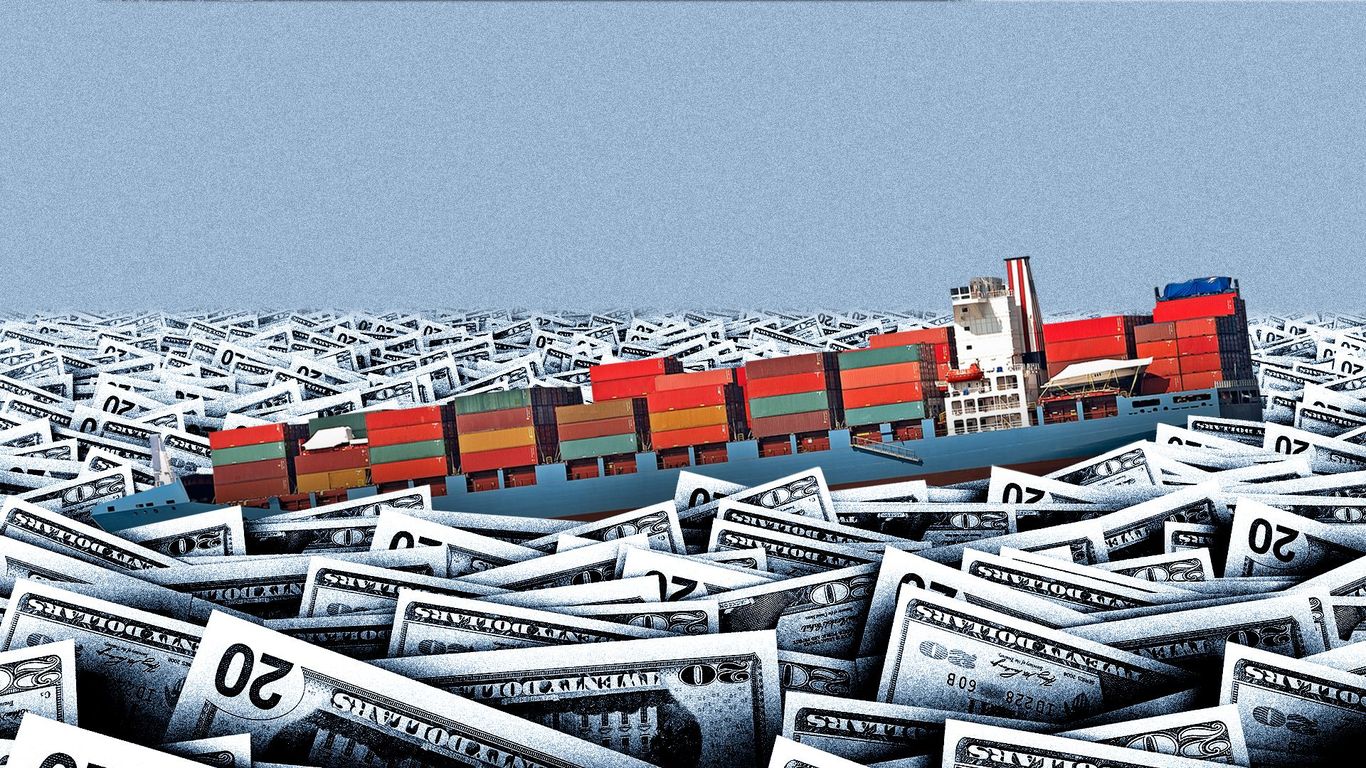
- Increment in transportation and shipping expenses due to increased tariffs.
As these factors converge, experts predict a hotter inflation index in the coming months, tightening the financial reins on businesses and consumers alike.
Strategies for Coping
Businesses are employing various strategies to cope with the financial stress. Some are hedging against tariffs or seeking out more cost-effective suppliers. Articles on Forbes suggest the importance of diversifying supply chains to mitigate risks.
Consumer Adaptation
Consumers are not left unscathed. They are adjusting by prioritizing spending and searching for savings-oriented products. One potential adjustment is shifting from luxury items to essential goods and services.
The Global Context
The American economy is not isolated in this phenomenon. Other countries are experiencing similar effects due to rising tariffs and protectionist policies. Keeping an eye on global economic trends is crucial for understanding and anticipating further implications.
Renowned publications like The Economist are providing timely updates on how other economies are navigating this challenging terrain.
As these dynamics unfold, the focus remains on adaptive strategies, market efficiency, and consumer resilience. It's imperative for both government and businesses to collaborate in finding pragmatic solutions, potentially using technology and innovative financial policies to ameliorate the impact.
