
Game-Changing Accelerators Transforming Space Propulsion
The Evolution in Accelerator Technologies
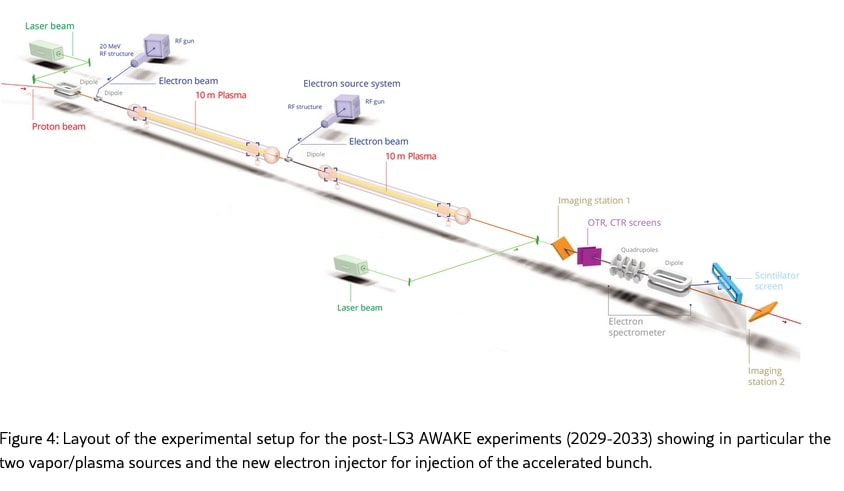
The future of space propulsion lies within the reach of cost-effective and efficient production of isotopes, heralded by groundbreaking advancements in particle accelerator technologies. Aimed at reducing expenses by up to a thousandfold, these developments are reshaping our expectations of space travel.
Impact on Space Propulsion
"Accelerator technology is the key to unlocking rapid space travel, offering the potential to reach the daunting frontier of 0.5% light speed." – SpaceTech Innovations Journal
The integration of these cutting-edge accelerators into the production cycle of nuclear materials for space propulsion could drastically cut down the timeline and cost of deep space explorations.
Benefits of Upgraded Accelerators
- Cost-effective production of isotopes.
- Increase in propulsion efficiency and speed.
- Support for long-duration space missions.
As noted in recent studies published in the Science Magazine, these advancements could herald a new age of space exploration driven by economic feasibility and technological prowess.

Interest in this field has also been echoed through various successful projects funded by space agencies and technology companies worldwide, highlighting the universal belief in the potential of these scientific advancements.
The Road Ahead
With nations and private enterprises passionately investing in these technologies, the horizon looks promising. Fundamental breakthroughs continue to emerge, further supported by the collaborative energy of international consortiums.
For enthusiasts and professionals alike eager to learn more, delve deeper into the technical details and ongoing projects by accessing various resources available online:
