
Focus on the Family’s Influence on GOP Politics: A Closer Look at James Dobson’s Legacy
The Birth of the Religious Right and James Dobson’s Role
In the mid-1970s, a movement began to take hold: one that would intertwine religious ideologies with political agendas. At the heart of this was James Dobson, a name synonymous with the conservative Christian movement known as the Religious Right. Through Focus on the Family, Dobson effectively mobilized evangelical Christians, shaping a political force that impacted American politics for decades. His pioneering efforts led to the blending of moral conservatism with political strategies, resulting in a transformed GOP.
Controversial Teachings in ‘The Strong-Willed Child’
Dobson's book, The Strong-Willed Child, became one of his most debated works, where he advocated strict disciplinary practices for children, including corporal punishment. This guidance, which has been contentious over the years, exemplified the harsh tones of his teachings that resonated with many followers while drawing criticism from others.
"Raising healthy children is not so much a matter of avoiding mistakes as it is being a good example or model in their lives." – James Dobson
Dobson's teachings, while stemming from a deeply religious context, became a blueprint for many conservative Christians. His directive to engage families in "godly" child-rearing and maintain traditional family values allowed the formation of a community allied under common beliefs, impacting not just familial structures but also how families voted in elections.
Political Influence and the GOP Connection
- Mobilization of evangelical voters during election seasons.
- Influencing Republican party policies with a focus on conservative Christian values.
- Establishing relationships with political figures and leveraging media to spread his influence.
Dobson's ability to rally evangelicals behind political causes has been crucial for many GOP candidates. This was evident as the party increasingly aligned its platform with the moral doctrines endorsed by Focus on the Family, fundamentally altering the landscape of American conservatism.
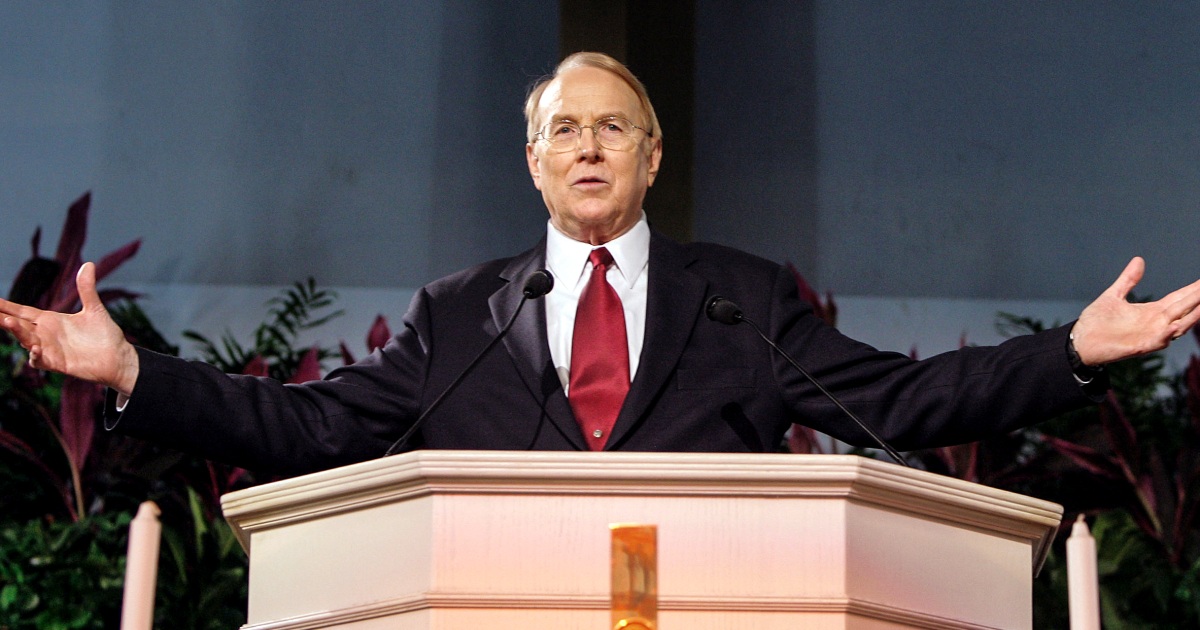
With Dobson's passing, questions arise about the future of his legacy: Can the principles he advanced survive the evolving cultural and political environment, or will they transform to align with modern-day influences? For future generations, the importance of examining Dobson's impact will lie in understanding the link between his philosophies, political sway, and how the modern GOP kindles its coalitions. For those interested in his life and work, consider exploring his books available on Amazon, or following discussions on reputable news platforms and social media channels for continuous updates on his enduring influence.
